HomeBoost App Helps Homeowners Cut Utility Bills With DIY Energy Audits
A new app called HomeBoost is launching with the promise of helping homeowners pinpoint where they’re losing money on utility bills — and what they can do about it — without the high cost of traditional energy audits.
Developed by a team of seasoned tech entrepreneurs, HomeBoost combines a physical assessment kit with a mobile application that guides users step-by-step through a comprehensive scan of their homes. By identifying energy inefficiencies, the service aims to make energy savings accessible, affordable and actionable.
Why Home Energy Audits Matter Now
As energy prices continue to strain household budgets and environmental concerns rise, many homeowners receive stern warnings from utilities about high energy use but lack clear insights into why their bills are so high or how to fix the problem. This challenge — of knowing there’s a problem but not how to address it — was a foundational insight for HomeBoost co-founder Selina Tobaccowala, a former CTO and president at SurveyMonkey.
“When we talked to consumers, we heard the same thing over and over again: They get that email that says, ‘Hey, you spend more money than your neighbors,’” Tobaccowala said. “They were sort of stuck with what to do about it.”
How HomeBoost Works
HomeBoost begins with a mailed kit — known as the BoostBox — that includes an infrared thermal camera, a blacklight and instructions to download and use the HomeBoost mobile app. As homeowners walk through their property, the system helps them visually detect where heat is escaping, where insulation might be lacking and which fixtures or appliances are operating inefficiently.
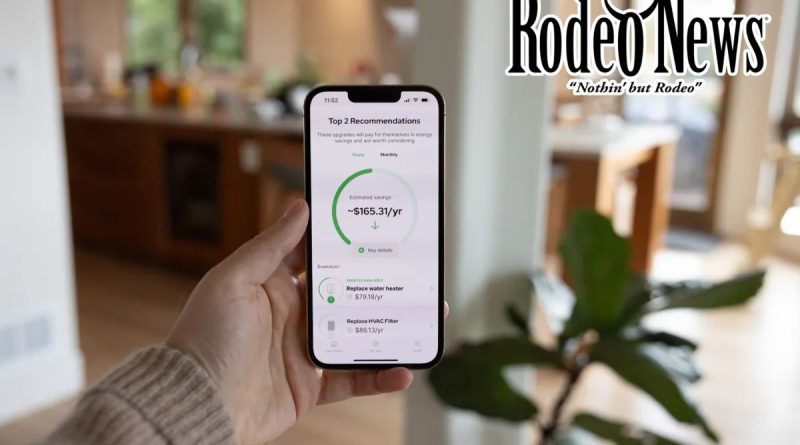
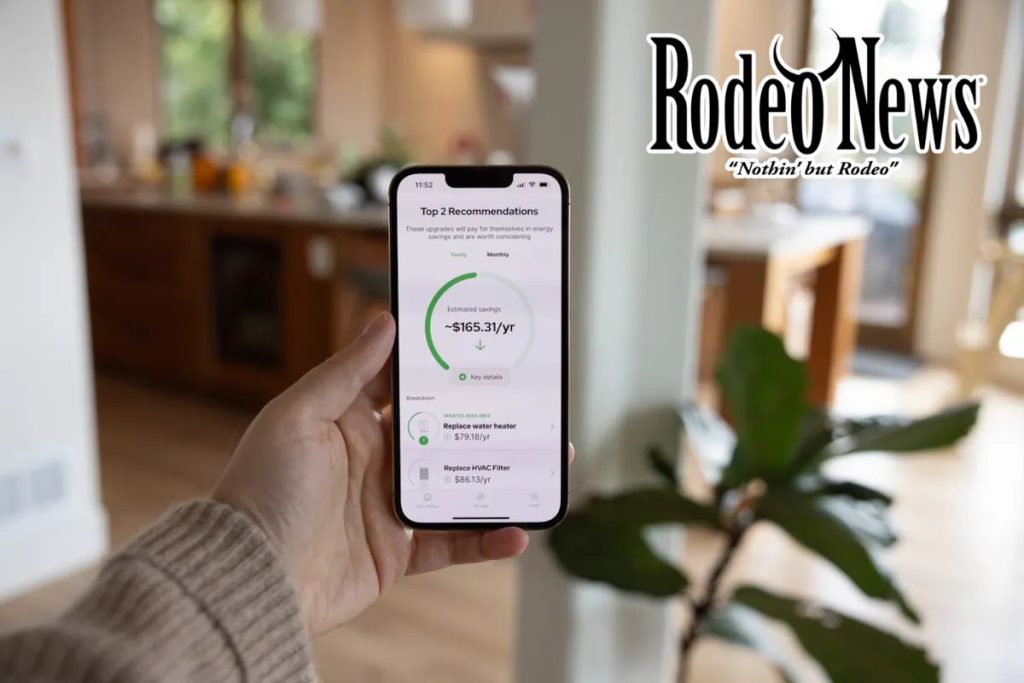
The app then analyzes the collected data and automatically generates a detailed report. This report highlights the most cost-effective upgrades tailored to each home, including potential rebates and incentives based on geographic location and local utility programs.
Accessible and Affordable Alternative to Traditional Audits
Traditional in-person home energy assessments — often conducted by certified auditors — can cost several hundred dollars and take hours to complete. HomeBoost’s approach, by contrast, costs $99 and can be completed in less than an hour with tools provided in the BoostBox. Several utility companies have also partnered with the startup to subsidize or cover much of the cost entirely for customers.
For example, utility providers such as Central Hudson and Omaha Public Power District have agreements that reduce or eliminate out-of-pocket costs for users. When borrowed through local public libraries, some consumers may even access the BoostBox for free.
Expanding Beyond Homeowners
Recognizing that not all homeowners want to handle their own assessment, HomeBoost has developed a professional version of the app that energy auditors can use to serve their clients more efficiently. In addition, the company is piloting a feature that connects homeowners with local contractors who can implement the recommended upgrades identified in the HomeBoost report.
For service professionals, this can act as a valuable lead generator — providing detailed project data before even entering a home. For homeowners, it means a streamlined path from assessment to action.
Climate Impact and Future Plans
While the app clearly addresses individual utility bills, its founders see broader environmental implications. By making energy inefficiencies visible and fixable without significant cost or complexity, they hope to reduce overall household energy consumption — a small but meaningful step toward reducing carbon emissions at scale.
HomeBoost first drew major attention as part of the Startup Battlefield 200 at TechCrunch Disrupt 2025, where it showcased early prototypes and user testing results.
As energy costs and climate concerns remain at the forefront of consumer priorities, HomeBoost’s blend of technology, affordability and actionable insights could make it a go-to tool for homeowners seeking both financial and environmental value from their home upgrades.
If you’d like a shorter version or one tailored to a specific audience (e.g., sustainability blog, te