U.S. Senate Advances Crypto Regulation Bill Through Committee, Clearing Major Milestone
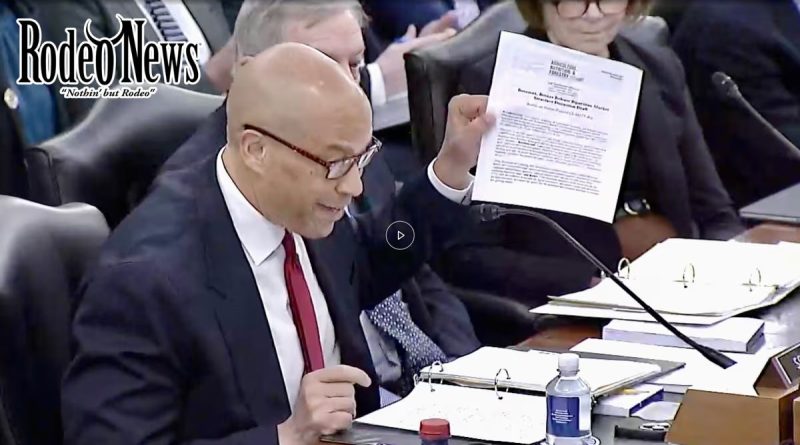
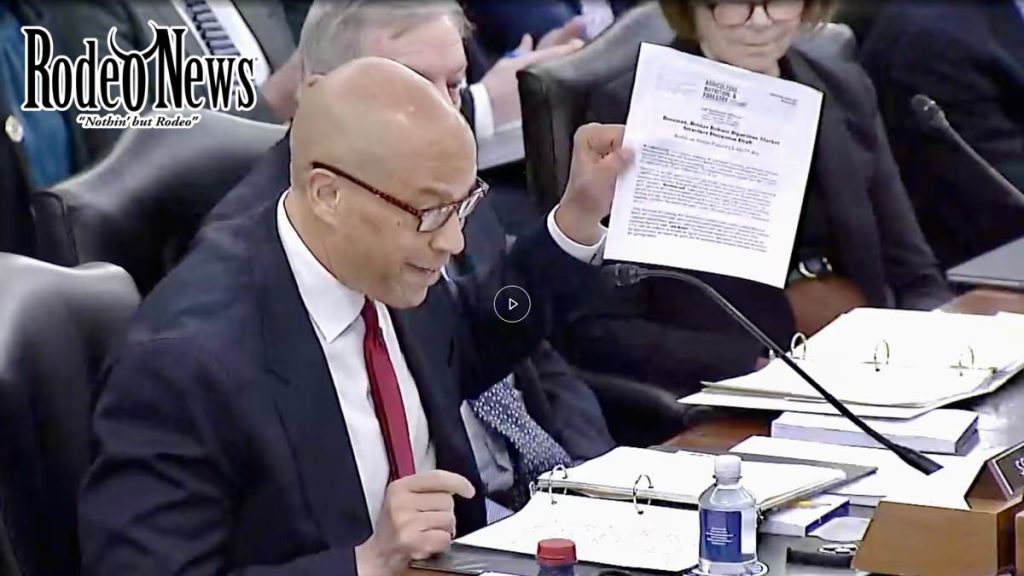
The U.S. Senate took a significant step Thursday in crafting federal cryptocurrency regulation, as the Senate Agriculture Committee voted 12–11 to advance a long-awaited market structure bill, marking the first time such legislation has cleared a Senate panel.
The measure, formally part of the effort known in legislative circles as the Digital Commodity Intermediaries Act, would establish a clearer federal regulatory framework for digital assets by granting the Commodity Futures Trading Commission (CFTC) explicit authority over spot markets for digital commodities — a long-sought clarity after years of fragmented oversight between the CFTC, Securities and Exchange Commission (SEC) and other regulators.
Procedure and Political Landscape
The 12–11 vote along strict party lines underscores deep political divisions over how best to regulate the rapidly growing cryptocurrency market. All Democrats on the Agriculture Committee opposed the legislation, citing concerns ranging from consumer protections and ethical provisions to the independence and readiness of the CFTC to assume expanded responsibility.
Senator John Boozman (R-Ark.), chair of the Agriculture Committee, described the vote as a key procedural milestone, saying it moves the bill “one step closer” to consideration by the full Senate. However, he acknowledged more work remains, particularly in reconciling the measure with other legislative texts and winning broader support.
While the Agriculture Committee advances the bill under its jurisdiction, the measure must also pass through the Senate Banking Committee — where a companion version addressing the SEC’s role and other market issues is pending. That committee’s efforts have faced delays, in part due to industry disagreements and negotiations over stablecoin yield rules and decentralized finance considerations.
What the Bill Would Do
If ultimately approved, the legislation would clarify regulatory boundaries by empowering the CFTC to oversee digital commodity spot markets, exchanges, brokers and dealers. It aims to create formal registration requirements and consistent oversight mechanisms instead of reliance on enforcement actions and agency interpretations.
Supporters argue that this regulatory clarity could boost investor confidence, encourage institutional participation and reduce legal uncertainty that has hampered U.S. crypto innovation and competitiveness. Industry advocates have long called for federal rules that replace a patchwork of enforcement and guidance with clear statutory authority.
Challenges Ahead
Despite clearing its first Senate hurdle, the bill’s future remains uncertain. Without bipartisan backing in committee, passing the full Senate could be difficult. Democrats have signaled they may push for modifications or supplemental protections on issues such as consumer safeguards, conflict-of-interest rules and decentralized finance oversight before offering support.
The Senate Banking Committee, which must also pass its own version of crypto market structure legislation, has yet to schedule its next vote following industry pushback and negotiations over technical provisions. That committee’s progress will be crucial to whether the bill can be reconciled and move to a Senate floor vote.
Industry and Regulatory Implications
The bill’s advancement reflects growing legislative urgency to address regulatory uncertainty that has persisted since the early days of cryptocurrency. Clear federal rules could encourage major financial institutions to expand participation in digital assets and boost competitive positioning against global markets with more established crypto frameworks.
Regulators including CFTC and SEC leadership have recently voiced cautious optimism about embracing digital assets alongside traditional markets, suggesting that a federal framework could help balance innovation with investor protection.
However, industry stakeholders remain divided on key elements, signaling that market participants and advocacy groups will closely watch the next stages in Congress, especially negotiations in the Senate Banking Committee and potential amendments aimed at building broader support.