Weekly Science Roundup: Neanderthals Made Fire, Orcas & Dolphins Hunt Together, and the ‘Star of Bethlehem’ Examined
This week’s science headlines span millions of years of history, deep ocean mysteries, and celestial questions rooted in ancient lore. From redefining what we know about Neanderthals to new behaviors observed in marine mammals and fresh perspectives on the famous “Star of Bethlehem,” researchers are reshaping our understanding of human evolution, animal intelligence, and the night sky.
🔥 Neanderthals: Fire-Making Pioneers
Archaeologists working at the Barnham site in Suffolk, England, have uncovered evidence suggesting Neanderthals were making and controlling fire around 400,000 years ago — long before Homo sapiens are known to have done so.
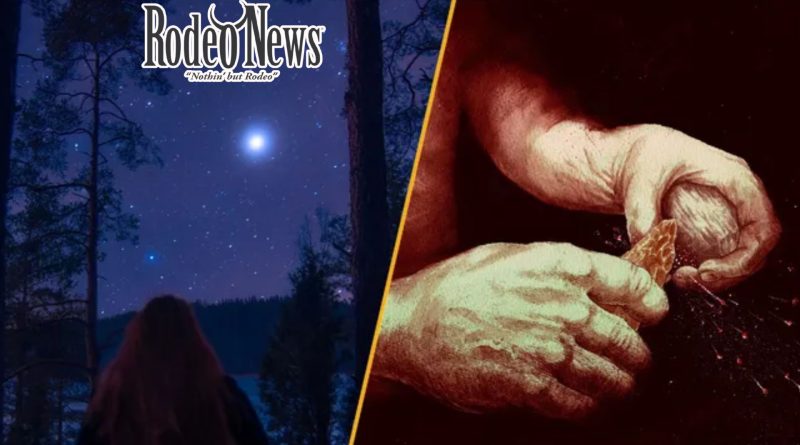
The clues include heat-altered clay, charcoal, and fragments of pyrite — a mineral that can create sparks when struck against flint. Because pyrite doesn’t naturally occur at the site, researchers believe Neanderthals deliberately brought it there to ignite and maintain flames.
This pushes back timelines and highlights these early humans’ technological and cognitive complexity far earlier than previously understood. Controlled fire would have been a game-changer, aiding in warmth, cooking, toolmaking, and social cohesion.
🐬 Unusual Alliance: Orcas and Dolphins Hunt Salmon
Marine scientists have recorded remarkable interactions off the coast of British Columbia, where killer whales (orcas) and Pacific white-sided dolphins appear to forage for salmon in close proximity.
Although orcas typically hunt alone, observations from drones and underwater video show dolphins and orcas frequently traveling together during salmon hunts. In dozens of encounters, the animals synchronized movements and shared access to fish — a behavior rare among such different cetacean species.
Experts caution that this may not be intentional teamwork but rather a form of mutual opportunity: dolphins might locate prey and orcas capitalize on these cues, with both benefiting in the process. Further research will be needed to untangle whether it’s cooperation or opportunistic feeding.
✨ The ‘Star of Bethlehem’: Astronomy Meets History
Scientists are re-examining what might have inspired the ancient account known as the “Star of Bethlehem.” While spectacular celestial events have long been proposed — from rare planetary conjunctions to comets and supernovae — no definitive astronomical candidate has been confirmed.
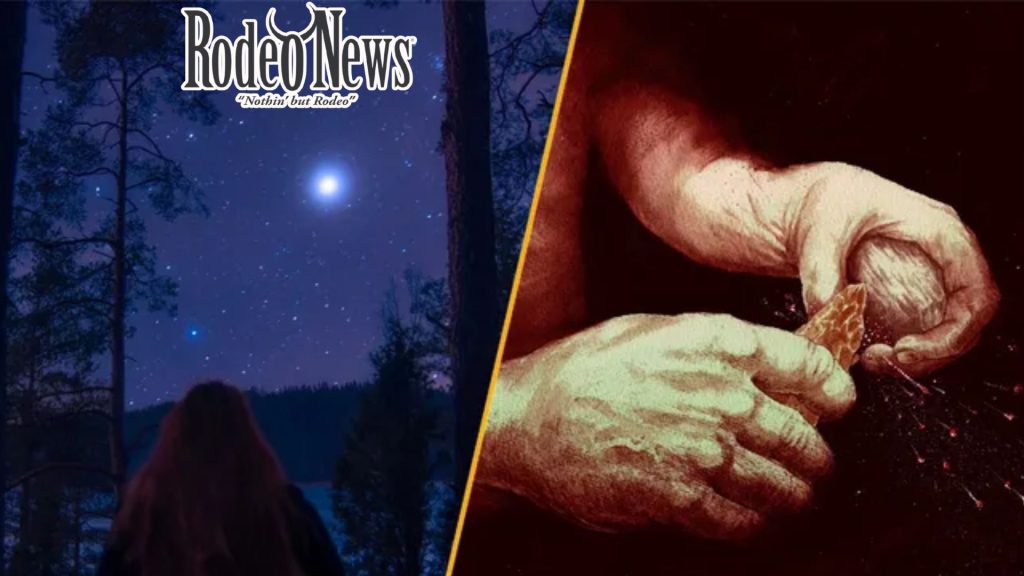
One modern twist on this perennial mystery is the remarkable visibility of Jupiter in the night sky this season. As it approaches opposition, Jupiter shines brightly in the December sky, drawing comparisons to the fabled “Christmas Star” tradition.
Historical reconstructions suggest that planetary events such as close alignments between Jupiter and Saturn, or even double occultations by the moon, could have been interpreted as extraordinary signs by ancient astronomers. However, such alignments recur with regularity in astronomical cycles, leading many researchers to argue that the original story likely blends observation with symbolic interpretation.
🧠 Why It Matters
The findings highlighted this week illustrate how science continually revisits established ideas with new evidence:
- Human origins: Neanderthals were more capable and sophisticated than once assumed.
- Animal behavior: Marine mammals show levels of interaction that challenge assumptions about interspecies dynamics.
- Cultural astronomy: Ancient sky lore remains fertile ground for scientific inquiry, blending observation with history.
Stay tuned for more breakthroughs that expand what we know about our world — past, present, and cosmic