Maduro Raid Betting Scandal: What Really Happened?
The Maduro raid betting scandal has quickly become one of the most controversial national security cases of 2026. A U.S. Special Forces soldier has been arrested for allegedly using classified intelligence about a covert military operation to profit from online betting markets—raising serious concerns about insider trading, military ethics, and the growing influence of prediction platforms.
According to federal prosecutors, the soldier used sensitive information tied to the U.S. operation that captured Venezuelan leader Nicolás Maduro earlier this year. Authorities say the case marks a historic moment: one of the first major criminal prosecutions involving insider trading on a prediction market tied to classified military intelligence.
A Covert Operation That Shocked the World
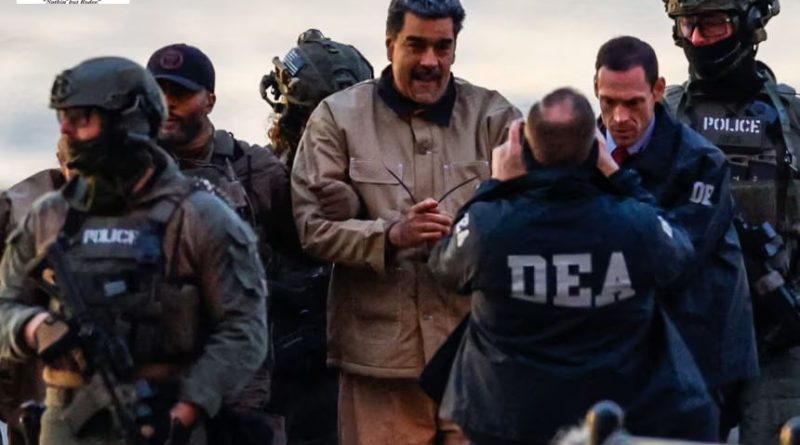
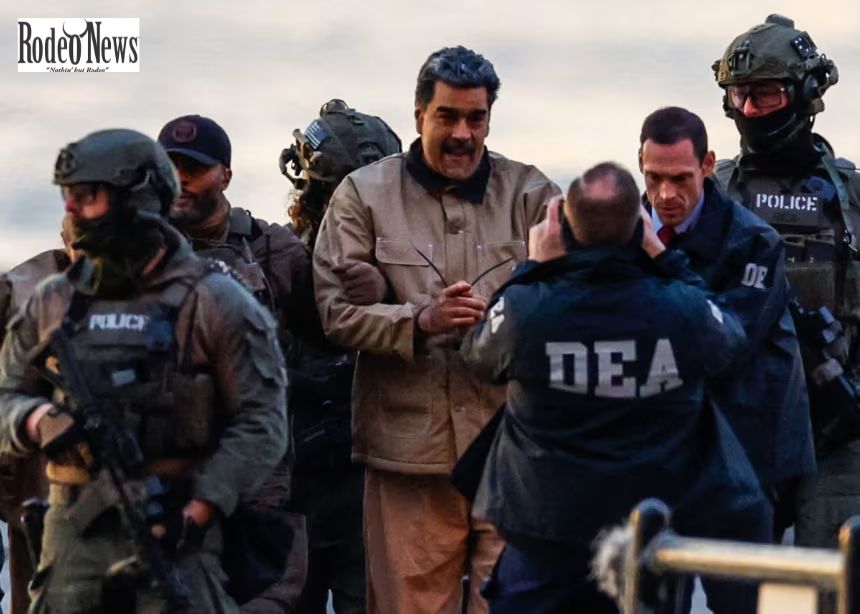
The roots of the Maduro raid betting scandal trace back to January 3, 2026, when U.S. special forces conducted a high-risk operation in Caracas, Venezuela. The mission resulted in the capture of President Nicolás Maduro and his wife, who were later transported to the United States to face federal charges related to narcoterrorism.
The operation, reportedly executed by elite units such as Delta Force, involved coordinated air and ground maneuvers under heavy resistance. Despite the intensity of the mission, U.S. forces successfully extracted Maduro without reported fatalities among American personnel.
Maduro has since appeared in a U.S. federal court, where he pleaded not guilty to multiple drug trafficking charges.
While the military success drew global attention, it also created an unexpected opportunity for exploitation—one that investigators now say was seized by someone on the inside.
The Arrest That Sparked a Political Firestorm
In April 2026, federal authorities arrested Master Sergeant Gannon Ken Van Dyke, an active-duty U.S. Army Special Forces soldier. He is accused of using classified information about the Maduro operation to place bets on a prediction market platform known as Polymarket.
Prosecutors allege that Van Dyke placed multiple wagers predicting outcomes related to the raid, including whether Maduro would be removed from power. Using insider knowledge, he reportedly turned an initial investment of around $33,000 into nearly $400,000 in profit.
Authorities say the soldier attempted to conceal his identity by using cryptocurrency transactions and anonymous accounts.
The charges against him include wire fraud, commodities fraud, and unlawful use of classified information—serious offenses that could lead to decades in prison if convicted.
5 Shocking Facts About the Maduro Raid Betting Scandal
1. Insider Trading Meets Military Intelligence
This case is unprecedented because it blends two worlds: classified military operations and financial speculation. Prosecutors argue that using government secrets to place bets is no different from insider trading on Wall Street.
Officials have emphasized that prediction markets are not exempt from laws governing misuse of confidential information.
2. Nearly $400,000 Profit From Secret Information
Investigators say the accused soldier transformed a relatively small betting stake into a massive payout—reportedly exceeding $400,000.
The profits came from accurately predicting key outcomes of the Maduro operation—outcomes he allegedly knew in advance due to his role in the mission.
3. Prediction Markets Under Scrutiny
The Maduro raid betting scandal has put platforms like Polymarket under intense regulatory scrutiny. These platforms allow users to bet on real-world events, including politics and global conflicts.
Regulators now fear that individuals with privileged information—especially government insiders—could manipulate these markets for profit.
The case is already being described as a landmark test for how authorities will regulate prediction markets moving forward.
4. Attempts to Hide the Money Trail
Authorities claim the suspect took deliberate steps to cover his tracks. These allegedly included:
- Using VPNs to mask identity
- Moving funds through cryptocurrency accounts
- Requesting deletion of his betting account
Despite these efforts, investigators were able to trace the transactions and build a case against him.
5. A Potential 60-Year Prison Sentence
If convicted on all counts, the soldier could face decades behind bars. Some charges carry penalties of up to 20 years each, with total exposure potentially reaching 60 years.
Legal experts say the severity reflects the seriousness of misusing classified national security information.
Why This Case Matters Globally
The Maduro raid betting scandal is more than just a criminal case—it has far-reaching implications for global security, financial markets, and governance.
National Security Risks
The misuse of classified information undermines trust within military and intelligence communities. If insiders can exploit sensitive operations for personal gain, it raises concerns about operational integrity and mission safety.
The Rise of Prediction Markets
Prediction markets have grown rapidly in recent years, offering users the ability to bet on everything from elections to geopolitical events.
While proponents argue these platforms improve forecasting accuracy, critics warn they could incentivize unethical behavior—especially among insiders with privileged information.
Legal Gray Areas Are Disappearing
This case signals a shift in how regulators view prediction markets. Authorities are making it clear that traditional financial laws—such as insider trading rules—apply even in decentralized or emerging platforms.
Political and Public Reactions
The case has sparked strong reactions across political and legal circles. Officials have described the alleged actions as a “serious breach of trust,” emphasizing that national security information must never be used for personal profit.
Meanwhile, some policymakers are calling for tighter regulations on prediction markets to prevent similar incidents in the future.
Public reaction has also been intense, with many expressing concern over how easily sensitive information could be monetized.
What Happens Next?
The accused soldier is expected to face trial in federal court in New York. Prosecutors will aim to prove that he knowingly used classified information to gain a financial advantage.
Key questions that will shape the outcome include:
- How the information was accessed and used
- Whether others were involved
- The extent of oversight failures within the system
The case could set a legal precedent for future prosecutions involving prediction markets and insider information.
The Bigger Picture: A Warning for the Future
The Maduro raid betting scandal serves as a warning in an era where information is more valuable—and more vulnerable—than ever.
As technology evolves, so do the opportunities for misuse. Governments, regulators, and private platforms now face increasing pressure to ensure that sensitive information is protected and not exploited for profit.
At the same time, the case highlights a growing intersection between finance, technology, and geopolitics—one that is likely to shape policy decisions for years to come.
Conclusion
The Maduro raid betting scandal is a rare and troubling example of how classified military operations can intersect with financial speculation. With millions of dollars at stake and national security implications on the line, the case has captured global attention.
As the legal process unfolds, it will not only determine the fate of one soldier but also set the tone for how governments regulate prediction markets and protect sensitive information in the future.
For now, one thing is clear: the line between intelligence and profit has never been more dangerous to cross.