How the U.S. Military Is Racing to Integrate Ukraine’s Drone Warfare Lessons
Modern warfare is rapidly changing under the influence of unmanned systems. In Ukraine, the widespread use of small, inexpensive drones for reconnaissance and attacks has fundamentally altered frontline combat — and the U.S. military is now working to catch up.
In contrast to traditional U.S. approaches that center on larger, high-end unmanned systems, Ukrainian forces have innovated with low-cost, easily sourced drones that can be deployed in large numbers and adapted quickly to battlefield needs. The result: cheap, expendable aircraft used for scouting, targeting, and direct attack missions that have forced adversaries to rethink force structure and tactics.
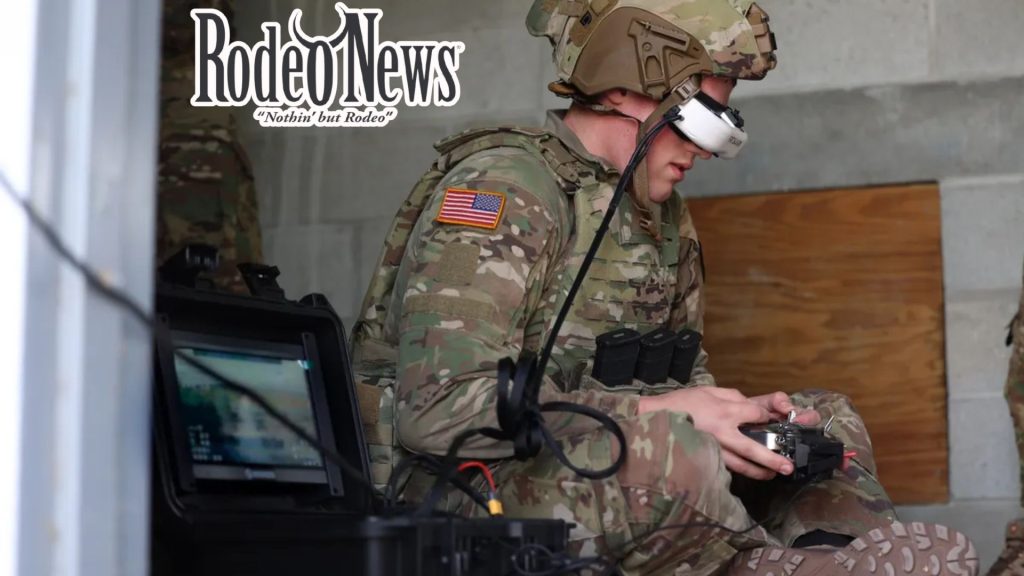
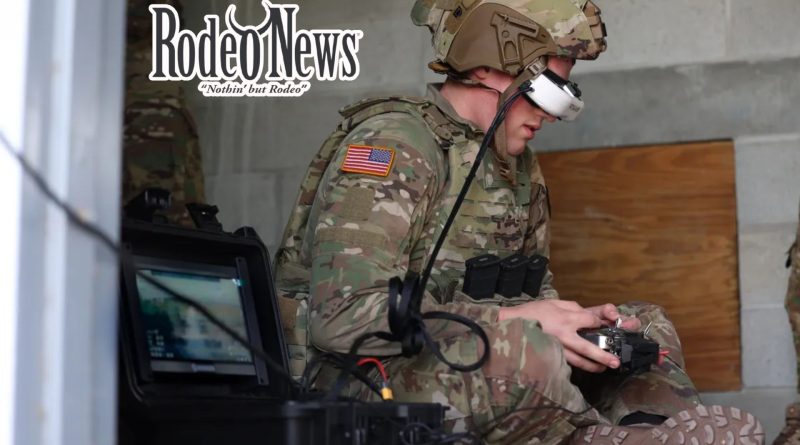
U.S. units are experimenting with similar models in training exercises that emphasize low-overhead drones flown from close to the front lines, rather than exclusively from remote bases. These exercises are intended to reflect how drones are being used in Ukraine — as integrated elements of maneuver units, not ancillary support assets.
Lessons from Ukraine: What the U.S. Is Adopting
1. Cheap and Numerous Beats Expensive and Few
One key lesson from Ukraine is the value of affordable drones. Ukrainian operators frequently deploy low-cost unmanned systems en masse — accepting losses as a trade-off for battlefield effect. In many cases, these drones are assembled locally or even 3D-printed near the front lines.
U.S. military leaders have echoed this sentiment in recent discussions about acquisition strategy. A shift toward rapidly producible, affordable systems would allow forces to practice and operate them at scale — a departure from the traditional procurement of expensive, high-spec units in small numbers.
2. Combat Testing vs. Laboratory Testing
Ukraine’s battlefield environment offers real-time data on what works and what doesn’t when it comes to drones. U.S. developers and military planners acknowledge that Ukrainian experience is a valuable testbed — one that can highlight issues like susceptibility to electronic warfare and the need for resilient communications.
To leverage these insights, the Pentagon and defense firms are seeking closer collaboration with Ukrainian counterparts to share tactics, battle damage assessments, and innovation cycles. Faster information exchange could accelerate U.S. adoption of effective concepts and technologies
Challenges Facing the U.S. Adoption Curve
Despite these efforts, the U.S. faces structural and cultural hurdles. Traditional military procurement timelines and bureaucratic processes can slow the transition from concept to field deployment. Moreover, many American systems still emphasize endurance and sophisticated sensors over sheer numbers and battlefield adaptability.
There are also capability gaps in areas such as counter-drone systems, which must evolve alongside offensive autonomous systems. The U.S. Army and other services are investing in integrated air defense and electronic warfare capabilities, but these systems trail the pace at which drones are proliferating globally.
What This Means for Future Conflicts
As global competitors like Russia and China expand their own drone forces, the lessons from Ukraine take on broader significance. The era of drones as mere reconnaissance tools is over — they are now offensive weapons, defensive sensors, and tactical game changers.
For the U.S. military, embracing the lessons of small-drone warfare means rethinking doctrine, training, and acquisition. It also means recognizing that tomorrow’s conflicts will feature unmanned systems in far greater numbers and roles than ever before.