From elite fighter to refugee: who were the “Zero Units”
The “Zero Units” were a group of elite Afghan paramilitary/intelligence squads under the former Afghan government, operating in coordination with the Central Intelligence Agency (CIA) and the country’s intelligence service National Directorate of Security (NDS).
One of those squads—called “Unit 03,” or the Kandahar Strike Force (KSF)—operated mainly in southern Afghanistan, especially in Kandahar and surrounding areas.
Members of these units carried out frequent nighttime raids, counterterrorism operations, and high-risk missions intended to target insurgent groups like the Taliban, but human rights organizations have long accused the Zero Units of extrajudicial killings, torture, and other abuses.
Some former members — including the man at the center of the recent Washington shooting — were evacuated to the United States after the Taliban’s return to power in 2021, under the program Operation Allies Welcome.
The man in the headlines: Rahmanullah Lakanwal
- Lakanwal, 29, served for around eight years with the Kandahar Strike Force (Unit 03), working closely with U.S. and CIA operatives in dangerous, front-line missions.
- After Kabul fell in 2021, he evacuated to the U.S. with his family under Operation Allies Welcome. His humanitarian parole later expired and he eventually was granted asylum in April 2025
- But the return to civilian life was far from smooth. Despite asylum, he was reportedly not given immediate, stable work authorization — a challenge many former fighters face.
- Attempts to work small gigs (for example, as a driver for a delivery service) offered little stability; financial hardship, language barriers, social isolation, and likely untreated trauma added to the burden.
Collapse after evacuation: exile, isolation and tragedy
According to reporting, Lakanwal’s struggles were far from unique among former Zero Unit soldiers now living in the United States.
- One ex-member, interviewed anonymously, described a wave of despair among former fighters — several even threatened or committed self-harm.
- Many recounted feeling betrayed and abandoned: after risking their lives alongside U.S. forces, they found themselves entangled in bureaucratic limbo with insufficient support for resettlement, mental-health care, or community reintegration.
- As one former Afghan operative bluntly said: the “promise” given by their U.S. handlers after evacuation turned out to be empty.
Lakanwal’s case — culminating in a deadly attack in Washington, D.C.— is being viewed, by some within these communities, as both a tragic personal collapse, and a warning sign of systemic failure to support wartime allies after resettlement.
The D.C. shooting: what happened, and why it shocked the U.S.
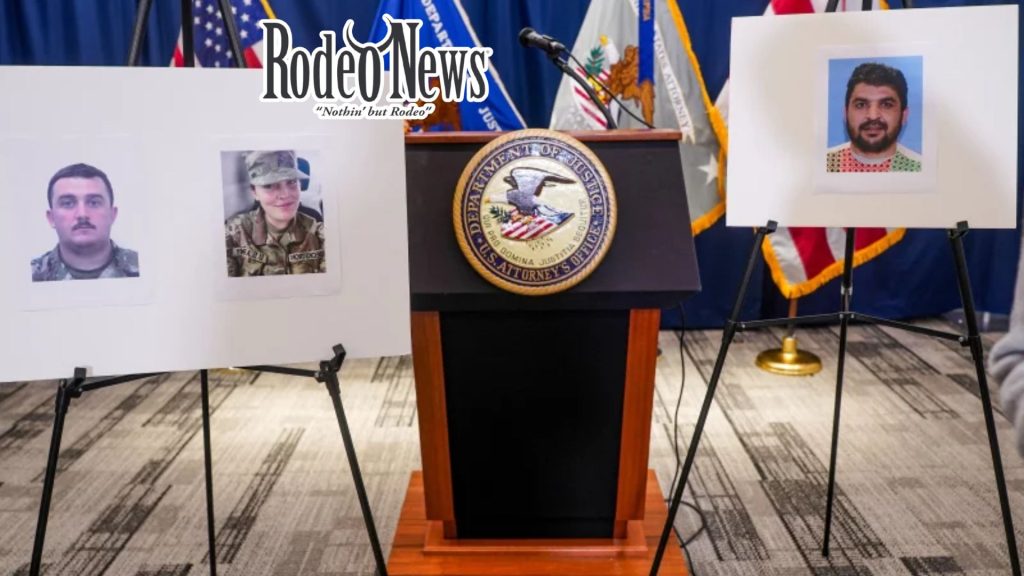
On November 26, 2025, Lakanwal allegedly opened fire on two members of the United States National Guard standing guard near the White House in Washington, D.C. One — Sarah Beckstrom — died of her wounds. The other — Andrew Wolfe — was critically injured.
He was arrested, charged with first-degree murder and assault, and appeared in court from a hospital bed (he himself had been shot during the incident). He pleaded not guilty.
The incident triggered a strong reaction in the United States: law-makers and immigration officials scrambled to tighten vetting, and asylum and visa processing for Afghans were paused. Critics say those actions unfairly punish entire communities for the actions of a single individual.
Additionally, for many former Zero Unit fighters and other Afghan allies in the U.S., the shooting reopened painful debates about what happens when wartime loyalty meets bureaucratic neglect and social isolation: a cautionary tale about the human cost of resettlement without accountability and support.
Bigger questions: responsibility, resettlement and moral accountability
Lakanwal’s case shines a harsh spotlight on deeper systemic issues — ones that go beyond individual guilt or violence. Several concerns emerge:
- Vetting vs. Aftercare: While former Zero Unit members reportedly underwent extensive vetting before being allowed to resettle, such clearance does not guarantee long-term psychological stability. The neglect of mental-health support and community integration can have dire consequences.
- Moral responsibility for allies: Many of those who served alongside U.S. forces now live in limbo — displaced, traumatized, and denied support. The abandonment of allies post-conflict raises ethical and strategic concerns for future cooperation.
- Immigration policy and collective punishment: The sweeping visa and asylum halts targeting all Afghan nationals risk punishing innocent families and veterans over the crime of one individual — a move criticized by refugee advocates.
- Legacy of covert war: The hidden history of units like the Zero Units — whose operations were secret and often brutal — complicates the narrative. The messy aftermath exposes the human cost of proxy warfare and the long-term burdens placed on fallen allies.
Conclusion
The tragic shooting in Washington, D.C. and the painful journey of Rahmanullah Lakanwal reveal more than the dangers of radicalization or lone violence. They expose how poorly veterans and wartime allies can be served by resettlement systems that value paperwork over people — and screening over support