Renewed Violence Claims More Civilian Lives
According to frontline reports, at dawn on December 9, 2025, Thai forces opened fire once again on Cambodian territory, striking villages in northern border provinces. The assault reportedly killed two more Cambodian civilians. The fresh deaths come amid a sudden flare-up in hostilities after a recent fragile ceasefire between the two countries.
Cambodian officials condemned the attacks as unwarranted aggression, underscoring the vulnerability of civilians who live in border zones long plagued by territorial disputes.
Context: Collapse of a Fragile Ceasefire
The revived violence follows a ceasefire agreement brokered by Donald Trump in October 2025 — a deal designed to halt intermittent clashes that first erupted earlier in the year.
Despite the truce, tensions remained high. Around a month ago, a landmine explosion allegedly wounded Thai soldiers near the border — an incident Bangkok attributed to Cambodian forces. The Thai government subsequently suspended de-escalation measures and warned that any further provocations would be met with force.
The new assault appears to mark a deliberate and forceful response as Thai military jets reportedly targeted several positions inside Cambodia, prompting outrage and grief among border communities.
Humanitarian Fallout: Displacement and Fear
Authorities in Thailand and Cambodia report massive civilian displacement as combat spreads along multiple border zones.
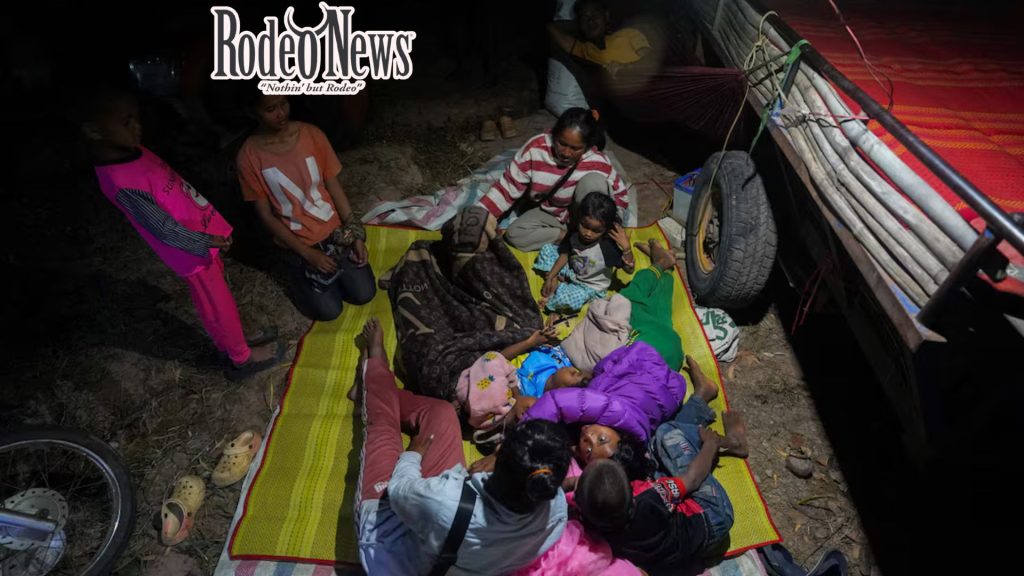
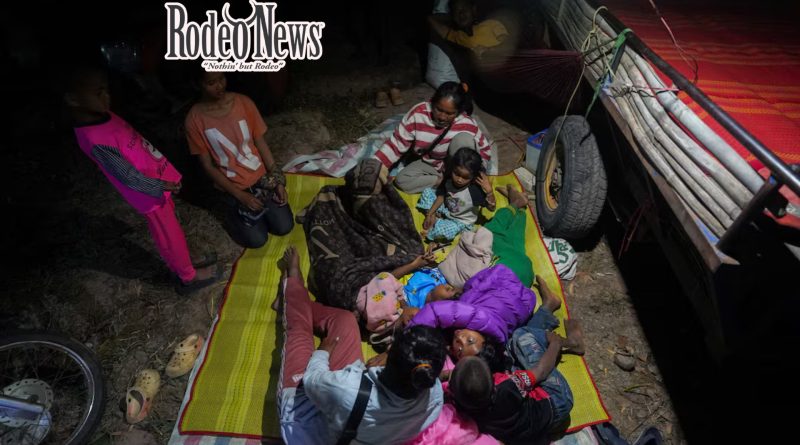
For many residents, the renewed shelling comes with renewed fear. Local villagers, including women and children, are being forced to abandon homes, flee toward safer ground, or seek shelter in hastily established camps.
Survivors describe the border zones as “volatile and unlivable,” with communities scrambling for basic necessities such as food, water, and medical care — while worrying what might come next.
What This Means for the Border Dispute — and Regional Stability
- The deaths of civilians amplify calls from human rights organizations for both sides to protect non-combatants and abide by international humanitarian law.
- The collapse of the truce threatens to plunge the region back into open, prolonged conflict, with risks of wider destabilisation across border provinces.
- Diplomatic efforts — including possible intervention by regional actors — may face severe challenges if attacks continue.