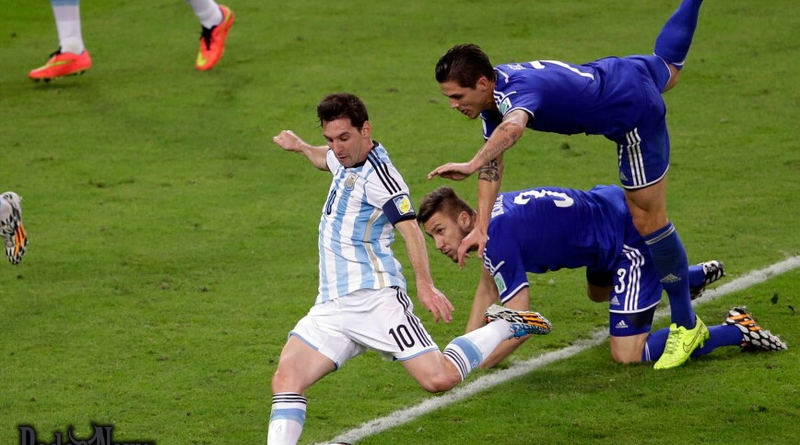
Lionel Messi Retirement: 7 Defining Moments for Argentina
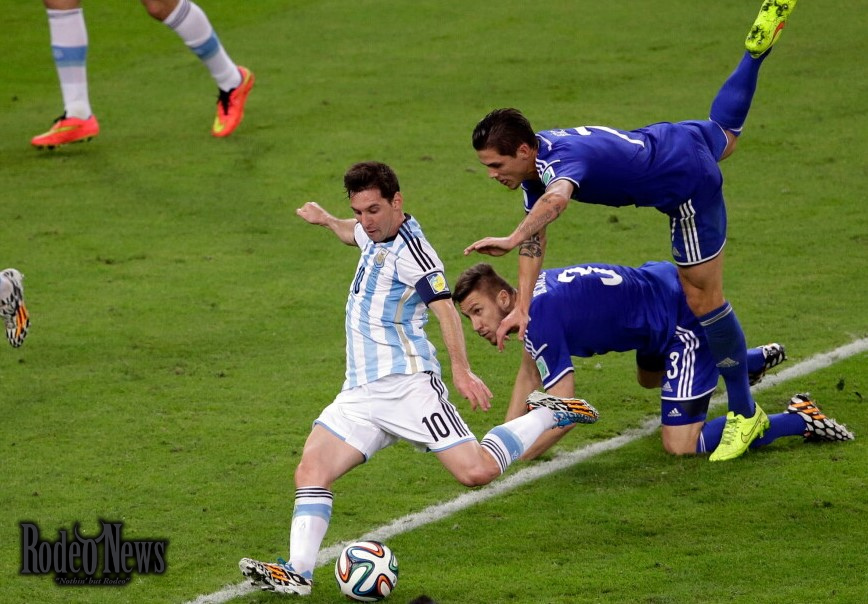
The Lionel Messi retirement from international soccer marks the end of one of the most extraordinary careers in the history of the sport. Argentina’s superstar has announced that he is stepping away from the national team after 21 years, closing a journey that took him from a teenage debut to World Cup glory and a permanent place among soccer’s greatest players.
Messi, 39, leaves Argentina as its all-time leading scorer and one of its most decorated players. He made 207 appearances for the national team and scored 125 goals, including 21 goals at World Cups. He also helped transform Argentina’s modern soccer history by leading the team to major international titles, most famously the 2022 World Cup in Qatar.
The Lionel Messi retirement applies to international soccer. Messi is expected to continue playing at club level with Inter Miami in Major League Soccer, meaning fans have not yet seen the final chapter of his professional playing career.
For Argentina, however, an era has ended.
1. A Difficult Decision Ends a 21-Year Journey
Messi announced his decision after more than two decades representing Argentina. In his retirement message, he described the choice as painful but said he understood that the time had come to step away.
His international career began in 2005, shortly after his breakthrough as one of the most promising young players in world soccer. His senior debut, however, was anything but perfect. Messi was sent off just two minutes after entering a match against Hungary.
Few could have imagined at that moment that the teenager would eventually become Argentina’s most prolific scorer and captain the country to its first World Cup triumph in 36 years.
The Lionel Messi retirement closes a career that experienced nearly every possible emotion in international soccer. There were painful defeats, criticism, lost finals and even an earlier retirement. Eventually, however, there was redemption on the sport’s biggest stage.
2. Messi Leaves as Argentina’s All-Time Leading Scorer
Numbers alone cannot fully explain Messi’s influence on Argentina, but his record remains extraordinary.
He played 207 matches for the national team and scored 125 goals, according to the Associated Press. That makes him Argentina’s all-time leading scorer and one of the most successful international players in the history of men’s soccer.
Messi also scored 21 goals in World Cup competition.
He appeared in a record-tying six World Cups, demonstrating remarkable longevity at the highest level of international soccer. During that period, he experienced the agony of losing major finals as well as the ultimate achievement of lifting the World Cup.
Only Cristiano Ronaldo has scored more goals in men’s international soccer, with the Portuguese star ahead of Messi’s final total at the time of the announcement.
Those statistics help explain why the Lionel Messi retirement has generated such a powerful reaction throughout the soccer world.
3. The 2014 World Cup Final Was a Painful Early Defeat
Before Messi became a World Cup champion, he came painfully close to winning the sport’s biggest trophy.
Argentina reached the 2014 World Cup final in Brazil, where Messi and his teammates faced Germany. The match ended in disappointment for Argentina after Germany won in extra time.
The defeat added to growing questions about Messi’s international career.
At the club level, he had already achieved almost everything imaginable. He became a global superstar at Barcelona, winning major trophies and establishing himself as one of the greatest players ever to play the game.
However, international success remained elusive.
For years, critics argued that Messi needed to win a major trophy with Argentina to match the international legacy of other legendary players. Those arguments became increasingly frustrating for Messi and his supporters.
The pressure surrounding the national team would eventually lead to one of the lowest moments of his career.
4. Messi’s First Retirement in 2016 Nearly Ended the Story
The recent Lionel Messi retirement is not the first time the superstar has announced his departure from international soccer.
In 2016, Messi briefly retired from the Argentina national team following another painful defeat in the Copa America final.
Argentina lost three consecutive major finals, including the 2014 World Cup and Copa America finals. Messi also missed a penalty during the shootout defeat against Chile in the 2016 Copa America final.
The disappointment was overwhelming.
Messi announced that his international career was over, creating shock throughout Argentina and the global soccer community.
However, the story did not end there.
A public campaign encouraged him to return. Among those supporting his comeback was Argentina legend Diego Maradona. Messi ultimately reversed his decision and returned to the national team.
That decision changed the history of Argentine soccer.
If Messi had remained retired in 2016, he would never have experienced the incredible period of international success that followed.
5. Copa America Glory Changed Everything
For much of Messi’s career, the biggest criticism directed at him centered on his lack of a major senior international title with Argentina.
That changed in 2021.
Argentina defeated Brazil in the Copa America final, giving Messi the major international trophy that had eluded him for so long. The victory was more than another championship.
It changed the emotional atmosphere surrounding the national team.
Argentina had finally ended its long wait for a major title, and Messi was no longer defined by defeats in finals. Instead, he had led his country to victory.
Argentina later won another Copa America title in 2024, further strengthening a remarkable era for the national team.
However, an even bigger moment was waiting.
6. The 2022 World Cup Secured Messi’s Legacy
The defining achievement of Messi’s international career came at the 2022 World Cup in Qatar.
Argentina won the tournament after one of the most memorable World Cup finals in history. For Messi, the victory ended years of debate and delivered the one major trophy that had remained beyond his reach.
The World Cup triumph also transformed the way his international career was viewed.
Messi had always been considered one of the greatest players in soccer history. However, the World Cup victory strengthened his position in the debate over the greatest player of all time.
He had now achieved success at the highest possible level with his country.
The 2022 triumph became the centerpiece of a remarkable period for Argentina. After years of frustration, the team had won the Copa America, the World Cup and another Copa America title.
The Lionel Messi retirement therefore comes after he achieved almost everything he could have dreamed of with the national team.
7. The 2026 World Cup Was His Final International Chapter
Messi’s final major tournament with Argentina was the 2026 World Cup.
Argentina reached the final but lost to Spain in extra time in New Jersey. Messi played in a record-tying sixth World Cup, once again demonstrating his extraordinary longevity and importance to the national team.
The final defeat was difficult, but it did not diminish the scale of Messi’s achievements.
According to the AP report, Messi wrote his retirement message shortly after the World Cup final but delayed announcing the decision because of serious family circumstances involving his father.
The eventual announcement brought an emotional end to his career with Argentina.
His journey had begun with a red card only minutes into his first senior appearance. It ended after six World Cups, 207 matches, 125 goals and a World Cup trophy.
Few players in the history of international soccer have experienced such a complete journey.
Why the Lionel Messi Retirement Matters to Argentina
The Lionel Messi retirement represents a major turning point for Argentina.
For more than two decades, Messi was the central figure in the national team’s story. He became captain, record scorer and the player most associated with Argentina’s return to the top of world soccer.
His influence extended far beyond goals and assists.
Messi carried enormous expectations throughout his career. Argentina is a country with one of the richest soccer traditions in the world, and comparisons with Maradona followed Messi for years.
The pressure was extraordinary.
Yet Messi remained committed to the national team despite criticism and painful defeats. His decision to return after retiring in 2016 became one of the most important moments in Argentina’s modern soccer history.
Without that return, Argentina might never have experienced the historic success that followed.
The World Cup triumph in 2022 made Messi a national icon on an even greater level. For millions of Argentines, he delivered memories that will remain part of the country’s sporting identity for generations.
Messi and the Greatest-of-All-Time Debate
The Lionel Messi retirement will also intensify discussion about his place among the greatest players in soccer history.
Messi is frequently compared with Argentina’s Diego Maradona and Brazil’s Pelé. All three players have achieved legendary status, but comparisons between different generations remain difficult.
Messi’s supporters point to his combination of longevity, individual awards, club achievements and international success.
He is an eight-time Ballon d’Or winner and a World Cup champion. He also played a central role in Argentina’s Copa America triumphs and became the country’s all-time leading scorer.
The AP report described Messi as standing alongside Maradona and Pelé in the highest level of soccer history.
Ultimately, however, the debate may matter less than the memories.
Messi created a style of play that captivated generations of fans. His combination of dribbling, vision, passing and goal-scoring made him one of the most recognizable athletes on the planet.
What Happens Next for Lionel Messi?
The Lionel Messi retirement does not mean he is retiring from professional soccer entirely.
Messi will continue playing club soccer with Inter Miami in Major League Soccer. The AP reported that he did not specify how long he plans to continue his club career.
His recent performances suggest that he remains capable of producing moments of brilliance.
The report noted that Messi scored four goals for Inter Miami in a 7-1 victory over CF Montreal shortly before his retirement announcement.
That means fans will continue to watch Messi at the club level, even though his days wearing the Argentina jersey are now over.
Eventually, attention will turn to the next chapter of his life.
Will he move into coaching, management, business or another role within soccer?
For now, those questions remain unanswered.
What is clear is that Messi’s relationship with Argentina will continue even after his playing career with the national team has ended.
He said he would support the team from outside the field.
A Legacy That Will Last Forever
The Lionel Messi retirement closes one of the greatest chapters in international soccer history.
From his chaotic debut as a teenager to his World Cup triumph in Qatar, Messi experienced a career filled with setbacks, redemption and historic success.
He lost major finals.
He faced criticism.
He briefly retired.
Then he returned and led Argentina through one of the most successful periods in its history.
His final international statistics tell only part of the story: 207 appearances and 125 goals. His legacy, however, is much larger.
Messi gave Argentina a generation of unforgettable moments. He helped the country win the Copa America in 2021, the World Cup in 2022 and another Copa America in 2024.
Now, after 21 years, his international journey has come to an end.
For Argentina, replacing Messi on the field will be impossible. New stars will emerge, and the national team will continue competing for major trophies.
But there will never be another first Messi.
The player who began his Argentina career with a two-minute debut and ended it as a World Cup champion, record scorer and national icon leaves behind a legacy that will remain part of soccer history forever.