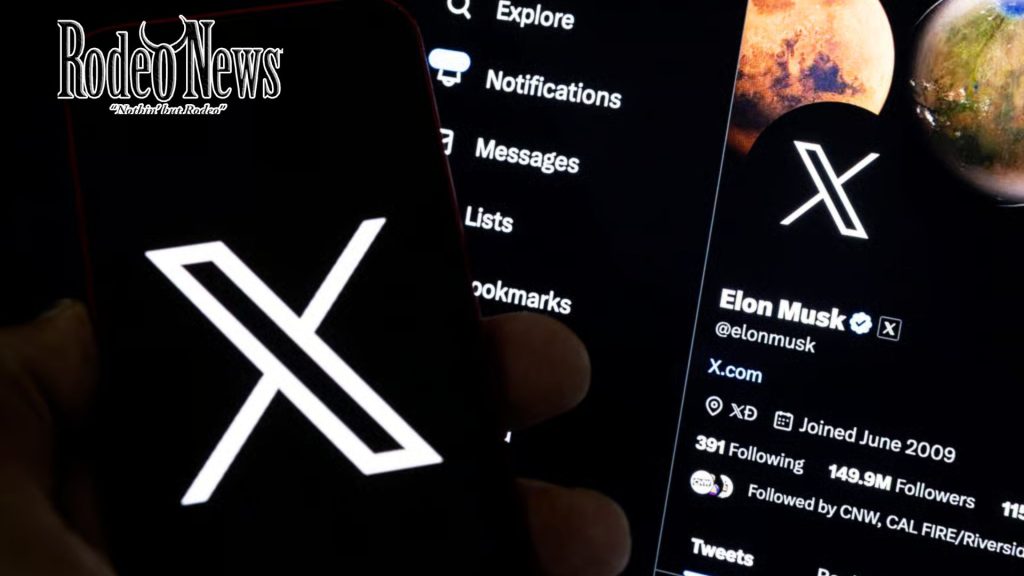
The European Commission on 5 December 2025 handed down a €120 million fine to X — the social media platform formerly known as Twitter — marking the first enforcement action under the EU’s Digital Services Act (DSA). Digital Strategy+2The Washington Post+2
According to the Commission, X violated multiple transparency obligations. Key among them was the “deceptive design” of its blue checkmark verification badge: instead of marking verified identities, the badge could be purchased by anyone willing to pay, blurring the line between official accounts and paid subscriptions. euronews+2The Guardian+2
Regulators also faulted X for lacking a transparent ad repository — making it difficult for the public and researchers to track who advertises on the platform — and for erecting barriers to researcher access to public data, undermining scrutiny of ads, political content and misinformation. Digital Strategy+1
The €120 million fine breaks down roughly as follows: €45 million for the misleading verification badge, €35 million for ad-transparency failures, and €40 million for restricting researchers’ data access. euronews+1
Though not near the maximal penalty allowed under the DSA (as much as 6 % of a company’s global revenue), the fine sends a signal. The EU says the penalty is proportional and aims to uphold digital transparency standards — not to restrict speech. The Guardian+1
Still, the ruling threatens to further strain transatlantic relations. U.S. officials — including JD Vance — had already criticized the EU’s digital regulations as a threat to free speech and American tech companies, suggesting the move could spark diplomatic backlash. euronews+1
At the same time, the EU signals more enforcement could follow: separate investigations into X’s content moderation, algorithmic recommendation systems, and handling of illegal content remain open. The Guardian+1
What This Means
- The fine illustrates the EU’s readiness to enforce the DSA against major U.S.-based platforms — potentially setting a precedent for future sanctions.
- Users may see changes on X: stricter verification procedures, more transparent ad disclosures, or expanded data access for researchers.
- Ongoing investigations keep open the possibility of additional fines or corrective orders if X fails to comply.
- The ruling intensifies regulatory friction between the EU and U.S., feeding into broader debates over digital law, sovereignty, and free speech.
More on X fine & EU‑U.S. reaction