China has sharply condemned Japan’s plan to station medium-range surface-to-air missiles on Yonaguni Island, a remote Japanese outpost located just about 110 km from Taiwan, calling the move a calculated strategy to “create regional tension” and invite military confrontation. Reuters+2CNA+2
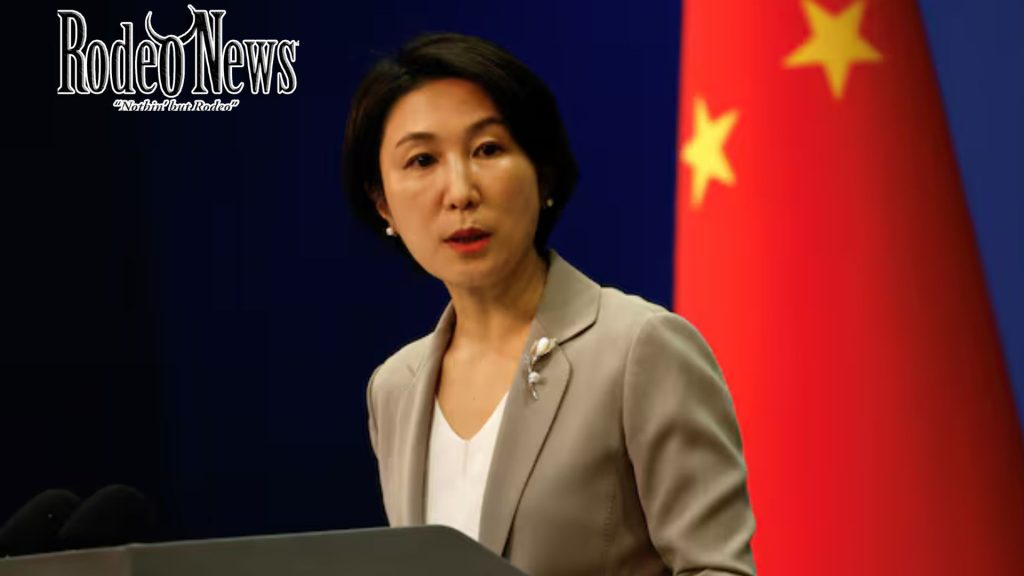
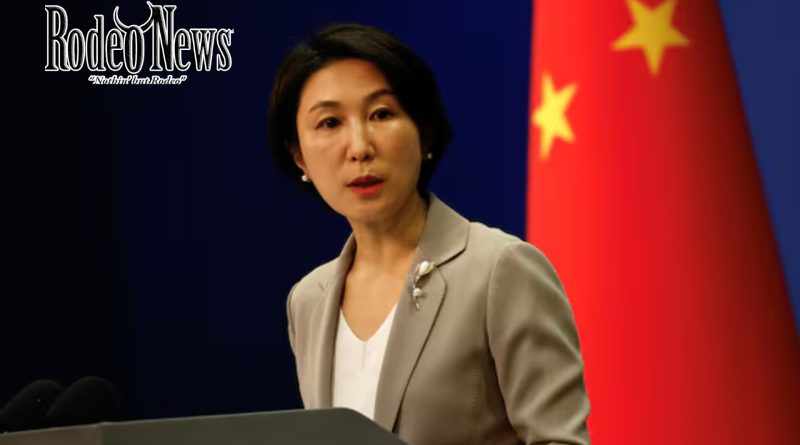
At a regular press briefing, Chinese Foreign Ministry spokesperson Mao Ning accused Japan’s “right-wing forces” of steering not just their own country but the broader region toward “disaster.” She warned that the escalating rhetoric around Taiwan heightens the risk of a dangerous security spiral.
Background to the Dispute
The tension centers on recent comments by Japanese Prime Minister Sanae Takaichi, who suggested a Chinese military strike on Taiwan might justify a Japanese response. In response, Japan’s Defence Minister Shinjiro Koizumi announced that preparations are “steadily moving forward” to deploy the missile unit on Yonaguni.
According to Koizumi, the deployment is intended to protect Yonaguni and reduce Japan’s vulnerability to armed attacks.
China’s Reaction
China’s response has been vehement. Mao Ning argued that the deployment:
- Deliberately ramps up regional tensions. CNA
- Risks provoking a military confrontation. The Straits Times
- Echoes a broader shift in Japanese policy away from its post-war pacifism. China Daily+1
She also pointed to Japan’s pacifist constitution and the Potsdam Proclamation (the post-World War II agreement) as constraints that Tokyo appears to be bending. China Daily Mao warned that Japan’s defense posture is being reshaped by nationalist forces, which she described as a dangerous revival of militarism. China Daily Global Edition
Broader Impact and Regional Response
Beijing is urging nearby countries and the wider international community to closely monitor the situation. China Daily The Chinese Foreign Ministry reiterated its commitment to defending national sovereignty and made clear it would not tolerate what it views as provocative military moves so close to Taiwanese territory. chinadailyhk
On Tokyo’s side, some regional voices have defended the missile deployment. Taiwan’s Deputy Foreign Minister, François Wu, told lawmakers that Tokyo has a legitimate right to strengthen its defense on Yonaguni. He argued that Japan’s military bolstering could contribute to overall stability in the Taiwan Strait, noting that Japan does not harbor territorial ambitions toward Taiwan. CNA
Why This Matters
- Strategic Proximity: Yonaguni Island is Japan’s westernmost territory and sits very close to Taiwan, giving it high strategic value in any cross-strait contingency. South China Morning Post+1
- Shifting Security Posture: This could be a sign of Japan continuing to rethink its strictly defensive posture in light of growing regional uncertainties. China Daily Global Edition
- Escalation Risk: China views Japan’s move not just as defensive, but as a provocation — potentially inflaming tensions in an already volatile region.
Bottom line: The missile deployment on Yonaguni is much more than a local military upgrade. For China, it’s a red flag — a sign that Japan may be stepping beyond its postwar restraint. For Japan, it’s about strengthening its defenses amid rising regional risk. What happens next could reshape security dynamics in East Asia