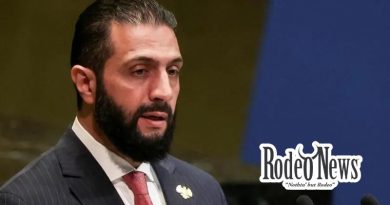
US Raid Mistakenly Kills Syrian Informant Working Against ISIS
In a joint operation last October, US forces together with a local Syrian group aimed to arrest an alleged member of the Islamic State (ISIS). Instead, the raid killed a man who had been working undercover to gather intelligence on the extremist group for years.
The victim — identified by his family and Syrian officials as Khaled al-Masoud — was reportedly spying on ISIS on behalf of the insurgents led by Ahmed al-Sharaa, and later for al-Sharaa’s interim government, which was formed after the ousting of former President Bashar al-Assad.
According to the family, the man had long infiltrated ISIS cells — including areas in Syria’s southern desert known as the Badiya, where remnants of the extremist group remain active.
Shortly after the raid, al-Sharaa visited Washington and announced Syria’s joining of the global coalition against ISIS. The lack of any public comment from either U.S. or Syrian authorities on al-Masoud’s death suggests both sides may be reluctant to let the incident derail cooperation efforts.
Security experts warn that the incident underscores serious flaws in coordination between coalition forces and Syrian government agencies. According to The Soufan Center, this kind of misidentification — whether due to “faulty intelligence” or deliberate false reporting — poses a significant risk to counter-terrorism cooperation.
In the days following the strike, U.S. Central Command said American troops, together with Syrian internal security forces, discovered and destroyed 15 ISIS weapons storage sites in southern Syria. However, critics argue that without improved verification processes, such operations risk undermining trust with local informants and jeopardizing long-term stability efforts