Afghan Ex-Soldier Identified as Suspect in Washington National Guard Shooting
On November 26, 2025, two members of the West Virginia National Guard were shot near the White House in what officials described as a “targeted ambush.”
Authorities quickly identified the suspect as a 29-year-old Afghan national, Rahmanullah Lakanwal, who was taken into custody with non–life-threatening injuries after return fire from another guard member.
An Unexpected Background
What has stunned many is Lakanwal’s past. A relative told NBC that Lakanwal served in the Afghan army for about a decade — during which he supported U.S. Special Forces operations in Afghanistan. The relative, who served alongside him and was wounded in the war, described Lakanwal as a man with a family: a wife and five sons. “I don’t believe he could have done this,” the relative said tearfully, adding, “I don’t know what happened.”
Lakanwal came to the United States in 2021 under the Operation Allies Welcome program, the initiative launched by the previous U.S. administration to resettle Afghans at risk of Taliban reprisals after the U.S. withdrawal.
The Shooting: What Happened
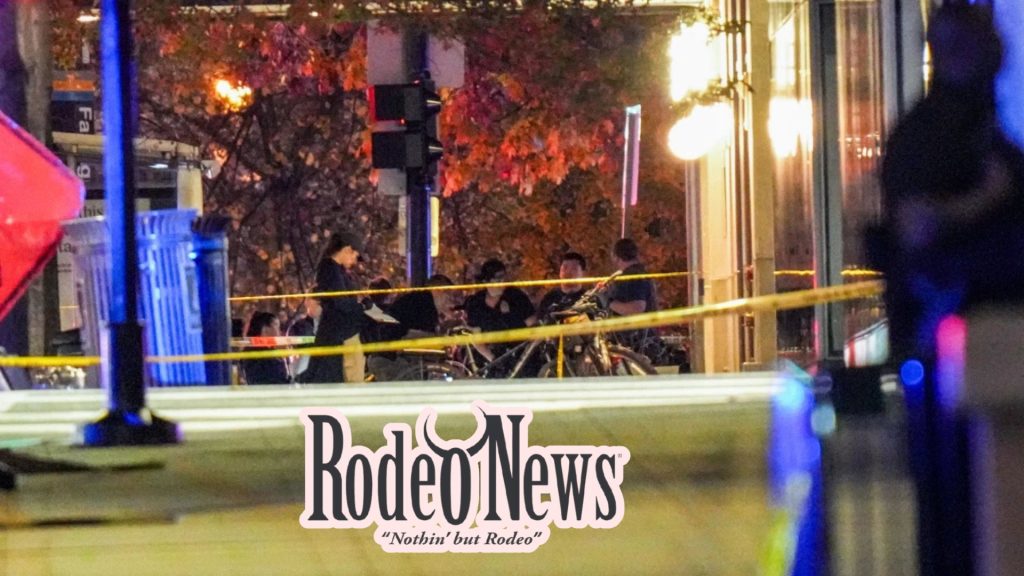
Law enforcement says the attack was a deliberate ambush. The two guards — on high-visibility patrol near the Farragut West station — were shot without warning around 2:15 p.m. local time. The suspect reportedly opened fire, striking a female guard first; then, after taking her weapon, he fired again. A third guard returned fire and subdued the suspect.
Both wounded guards are in critical condition, according to the Federal Bureau of Investigation (FBI).
Authorities are treating the incident as a possible act of terrorism.
Fallout — Immigration, Security and Trust
The revelation that Lakanwal once fought alongside U.S. forces complicates the narrative dramatically. The suspect’s history has raised difficult questions about support for allies abroad — and how that past intersects with security concerns in the U.S.
In remarks following the shooting, the President called the attack “an act of terror,” blaming lax immigration screening and vowing to re-examine all Afghan entries under the 2021 resettlement program.
At the same time, defenders of Afghan evacuees caution against painting an entire group with the brush of one individual’s alleged violence, warning that doing so could jeopardize the safety and stability of thousands more who fled persecution.
The case of Rahmanullah Lakanwal remains under investigation. As authorities work to determine motive, the shooting has already reignited fierce debate over immigration policy, vetting procedures, and the unseen costs of war — both for those who fought and for societies trying to heal after conflic