Cambodia Strengthens Water Governance Through High-Level Policy Dialogue
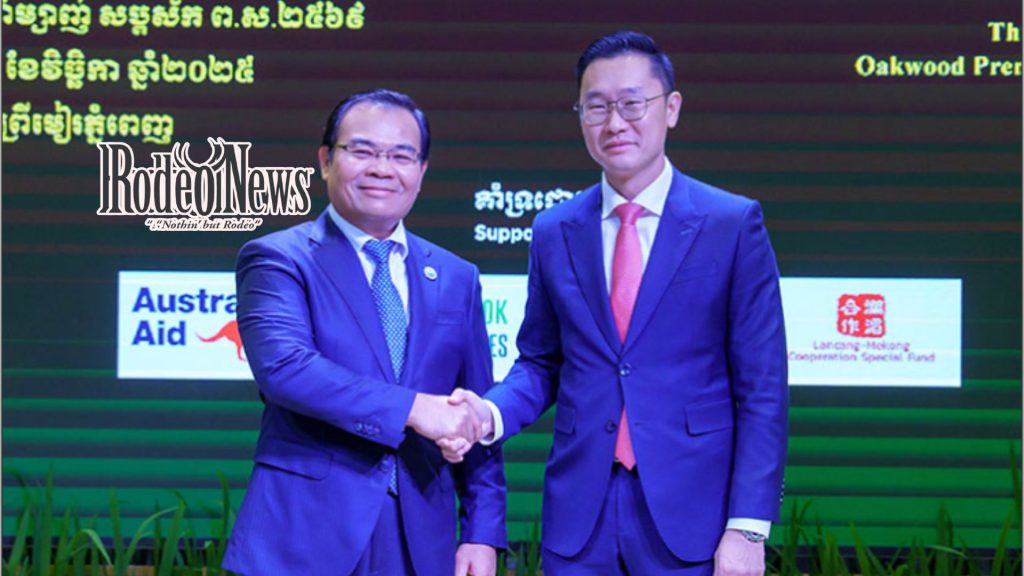
Cambodia is taking a decisive step towards more robust and integrated water management. This week, H.E. Thor Chetha, Minister of Water Resources and Meteorology (MoWRAM), officially opened a high-level policy dialogue focused on strengthening water governance in the Kingdom.
Addressing Urgent Challenges: Mekong & Tonle Sap
In his opening remarks, Minister Chetha underscored the profound shifts occurring in Cambodia’s most critical water systems: the Mekong River and Tonle Sap Lake. He noted that changing hydrological patterns, driven by climate change and regional upstream developments, demand a forward-looking governance framework. Accurate, timely data on water flows, quality, and ecosystem health, he argued, are more critical than ever.
Emphasizing Data, Inclusion, and Cooperation
A central theme of the dialogue is data-driven decision-making. The minister called on all stakeholders — from national agencies to local users — to commit to transparent data collection and sharing. This will form the backbone of resilient water-management strategies, enabling Cambodia to respond quickly to flood risks, droughts, and other climate shocks.
Moreover, Chetha stressed the importance of inclusive participation in water governance. He highlighted the need to bring in voices from subnational levels and various sectors — not just government officials, but community representatives, private-sector actors, and development partners.
Anchoring in Climate-Resilient Frameworks
This policy dialogue aligns closely with ongoing efforts under Cambodia’s Climate Resilience Water Governance Programme (CCRWGP). In July 2025, MoWRAM, together with the Australian government, organized a national consultation workshop to map out a roadmap for a climate-resilient and inclusive water governance system.
The CCRWGP aims to integrate modern policy and planning tools — including Integrated Water Resources Management (IWRM) — to ensure Cambodia’s water systems are sustainable, equitable, and adaptive. Minister Chetha reinforced that this isn’t just about infrastructure: it’s about transforming how water is governed across the country.
Regional and Global Cooperation
The minister also affirmed Cambodia’s commitment to working with regional partners on transboundary water issues. These include Mekong-basin coordination and international support for water governance capacity-building. MoWRAM has shown interest in strengthening cooperation with institutions like UNESCO to develop shared data systems and technical capacity.
Next Steps
Participants in the policy dialogue are expected to produce concrete recommendations. These will inform MoWRAM’s roadmap for institutional reform, data systems, and legal frameworks. One key goal is to improve flood and drought response, while also managing water demands for agriculture, industry, and communities.
Minister Chetha’s call to action makes clear: Cambodia is not just reacting to water challenges — it is proactively shaping a governance future that is resilient, adaptive, and inclusive