Trump’s Green Light on F-35 Sale to Saudi Arabia Marks Deepening Ties
Former President Donald Trump has signaled a major reset in U.S.-Saudi defense relations by backing a deal to sell F-35 stealth fighter jets to Saudi Arabia. The announcement came on the eve of Saudi Crown Prince Mohammed bin Salman’s state visit to Washington, underscoring a broader push to deepen security and economic cooperation.
A Strategic Upgrade
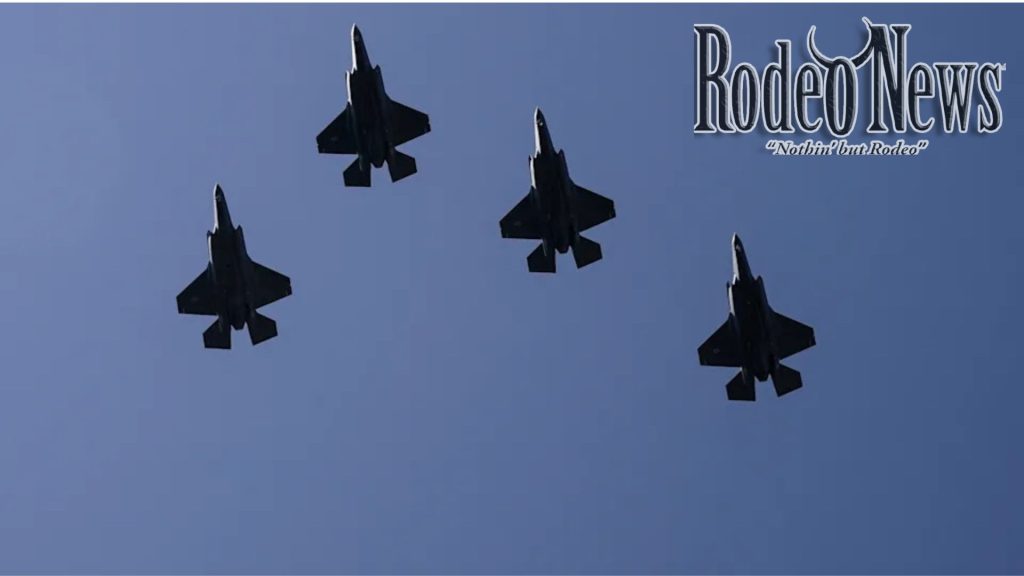
During a White House news conference, Trump stated plainly: “They want to buy … we’ll be selling F-35s.” According to multiple sources, Saudi Arabia has requested up to 48 F-35 aircraft, along with the supporting infrastructure, training, and logistics.
This move is significant: until now, Israel has largely held a monopoly on these advanced jets in the Middle East, a symbol of its qualitative military edge
Geopolitical Stakes and Risks
The proposed sale raises several geopolitical flashpoints:
- Israel’s Security Concerns: Some Israeli officials argue that approving the sale without strict conditions could undermine its military superiority.
- U.S. Arms-Export Process: Trump has expressed confidence the deal will be fast-tracked. He claimed the Foreign Military Sales (FMS) process could be completed in as little as 24 hours—a bold assertion, given the usual complexity and time involved.
- Technology Leakage Concerns: Critics warn that transferring such advanced technology raises the risk of it reaching third parties. Some point to Saudi’s deepening ties with China as a particular concern.
A Broader Strategic Pact
The F-35 deal is not happening in isolation. Alongside the announcement, Trump elevated Saudi Arabia to “major non-NATO ally” status—an upgrade that streamlines future arms transfers and deepens defense cooperationa
Saudi Arabia also committed to purchasing nearly 300 American tanks, a sign of a broad and ambitious military procurement agenda
Why This Matters
- Regional Power Balance: If Saudi Arabia receives F-35s, it could significantly shift military dynamics in the Middle East.
- U.S. Defense Industry: The deal would benefit American defense firms like Lockheed Martin and could support U.S. jobs.
- Diplomatic Leverage: Trump may be using this sale as part of a wider diplomatic strategy—potentially tying it to progress on regional issues such as normalization with Israel.
- Congressional Oversight: Even if the president green-lights the deal, Congress still has a role in reviewing and potentially blocking it.
Conclusion
Trump’s announcement of the F-35 sale to Saudi Arabia represents a bold recalibration of U.S.-Saudi military cooperation. While it strengthens bilateral ties, the deal comes with major geopolitical risks—especially regarding Israel’s security and the potential diffusion of cutting-edge technology. Whether this agreement reshapes the Middle East will depend on how the U.S. navigates congressional scrutiny and international concerns.
Let me know if you want this shorter, more in-depth, or formatted with subheads, pull quotes, or a different tone