U.S. Vetoes U.N. Security Council Resolution Calling for Gaza Ceasefire Amid Deepening Humanitarian Crisis
The United States has once again blocked a United Nations Security Council resolution demanding an immediate, unconditional, and permanent ceasefire in Gaza — marking its sixth veto on issues tied to the nearly two-year Israel-Hamas war.
A Stark Vote at the U.N.
On September 18, 2025, 14 of the 15 Security Council members supported the draft resolution, which called for a full ceasefire, the unhindered flow of humanitarian aid into Gaza, and the immediate release of all hostages held by Hamas and other groups.But the U.S. veto — wielded by its permanent-member status — prevented the measure from being adopted.
Why the U.S. Said “No”
Morgan Ortagus, a senior U.S. diplomat, stated that the resolution was unacceptable because it did not sufficiently condemn Hamas or reaffirm Israel’s right to self-defense. According to the U.S., the text risked legitimizing Hamas narratives and undermined ongoing diplomatic efforts tied to hostage negotiations.
The Human Cost in Gaza
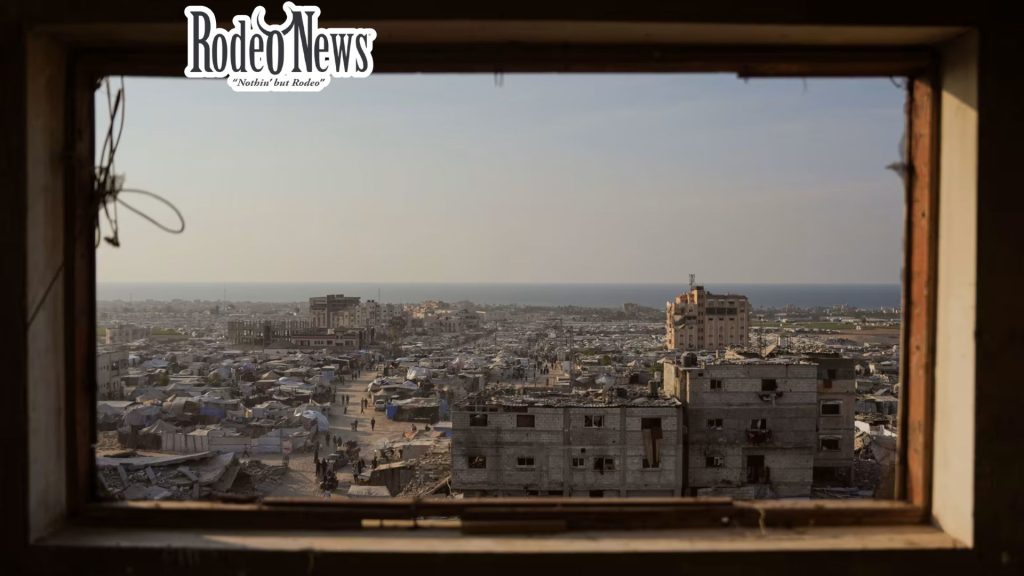
The timing of the vote intensified international scrutiny: famine has been confirmed in Gaza, not just projected, according to UN and independent monitors.Meanwhile, Israel’s military operations are expanding, particularly in Gaza City, deepening the humanitarian catastrophe.
Critics of the U.S. decision argued that the veto effectively prevents the Security Council from acting in the face of mass suffering, undermining the council’s credibility and raising moral and political questions.
Global Reactions
Several U.N. diplomats voiced disappointment and frustration after the vote. Riyad Mansour, the Palestinian observer to the U.N., said that the veto “prevents the Security Council from playing its rightful role … to protect civilians in the face of atrocities.”Algerian Ambassador Amar Bendjama made an emotional appeal, warning that the world risks denying fundamental rights to Palestinians.
On the other hand, Israel’s representative praised the U.S. support. Danny Danon, Israel’s U.N. ambassador, thanked Washington for shielding Israel from what he described as a one-sided resolution.
Broader Implications
This veto reaffirms Washington’s diplomatic backing of Israel, even as global concern grows about Gaza’s humanitarian crisis. Critics argue that repeated vetoes weaken multilateral mechanisms and raise serious ethical questions about accountability and the role of great powers in conflict zones.
Some analysts warn that by repeatedly using its veto power, the U.S. may be isolating itself diplomatically and undermining the international community’s ability to address one of the most acute humanitarian disasters in recent memory