China Suspends Export Ban on Gallium, Germanium and Antimony to U.S.
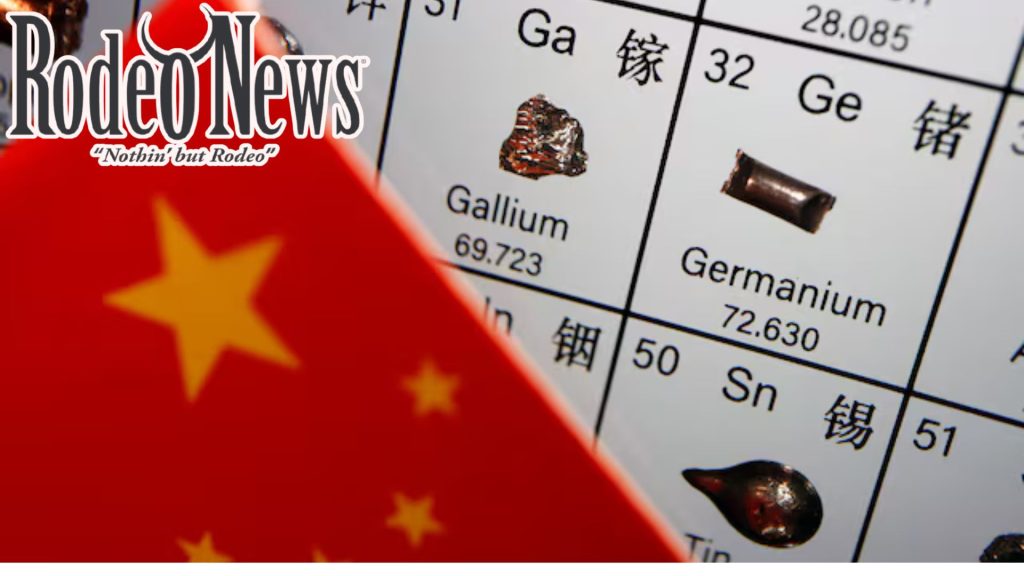
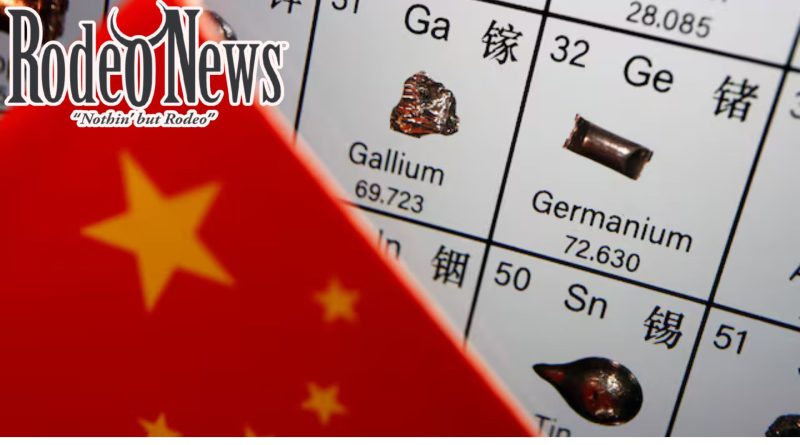
The People’s Republic of China has announced that it will temporarily suspend the export ban on three critical minerals — gallium, germanium and antimony — to the United States of America. The suspension takes effect from 9 November 2025 through 27 November 2026, according to the Chinese Commerce Ministry.
Context and Significance
These minerals are deemed “dual-use” — meaning they have both civilian and military applications — and had previously been subject to a full export ban by China. In December 2024, China banned exports of these items to the U.S., citing national security concerns amid escalating U.S. controls on China’s chip sector.
With this latest move, Beijing is signalling a softening of its stance — at least for a time. The suspension aligns with a broader trade truce reached between Chinese President Xi Jinping and U.S. President Donald Trump under which both sides agreed to reduce tariffs and pause certain trade restrictions for a year.
What is Being Suspended
The restrictions being suspended are those involving exports of gallium, germanium, antimony and so-called “super-hard materials” to the U.S. These materials are crucial components for sectors such as semiconductors, aerospace, defence, solar technology and high-performance electronics. For example:
- Gallium and germanium are widely used in semiconductor manufacturing and fibre optics.
- Antimony plays a role in flame retardants, batteries, night-vision equipment and ammunition.
By suspending the ban, China is effectively allowing U.S. end-users and their supply chains access, at least for a defined period, to these critical materials.
Why China Might Be Doing This
Several factors could be influencing China’s decision:
- Trade diplomacy and pressure relief: The move corresponds to a diplomatic thaw and a desire to de-escalate trade friction with the U.S.
- Supply chain and global image: As a major global supplier of these minerals, China may be sensitive to the ripple effects of blocking exports entirely — both for its trade relationships and for perceptions of industrial reliability.
- Leverage for future negotiation: Temporarily lifting the ban gives China flexibility to reimpose measures later if it chooses, preserving strategic leverage.
Implications
- For the U.S. and allied industries: Access to these materials may ease immediate supply-chain concerns for sectors like semiconductors and defence.
- For global markets: The suspension may moderate price pressures that arose when the ban was first imposed. For instance, antimony prices surged following the earlier curbs.
- For China’s strategic positioning: By revoking the ban temporarily, China demonstrates willingness to engage, yet retains discretionary control over a vital part of the global critical-minerals landscape.
What Remains Unclear
- The Chinese Commerce Ministry did not provide detailed conditions or criteria for the suspension.
- It is unclear how many companies, in the U.S. or elsewhere, will qualify under the “dual-use” regime for exports of these materials.
- The long-term status beyond November 2026 remains uncertain. Will the ban be reinstated, modified or permanently lifted?
Conclusion
China’s suspension of the export ban on gallium, germanium and antimony to the U.S. marks a significant shift in the trade dynamics of critical minerals. It provides short-term relief for U.S. end-users and their supply chains while preserving China’s strategic flexibility. However, this is likely a temporary pause rather than a final resolution of the deeper structural tensions between the two economic powers