Massacre and Ethnic Violence Reported in El Fasher, Darfur After Rapid Support Forces Seizure
n and the need for globalThe city of El Fasher in North Darfur has become the scene of one of the bloodiest episodes of the ongoing conflict in Sudan. Following its capture by the paramilitary Rapid Support Forces (RSF), multiple independent and governmental sources report mass killings, ethnically-motivated violence and a humanitarian catastrophe.
How events unfolded
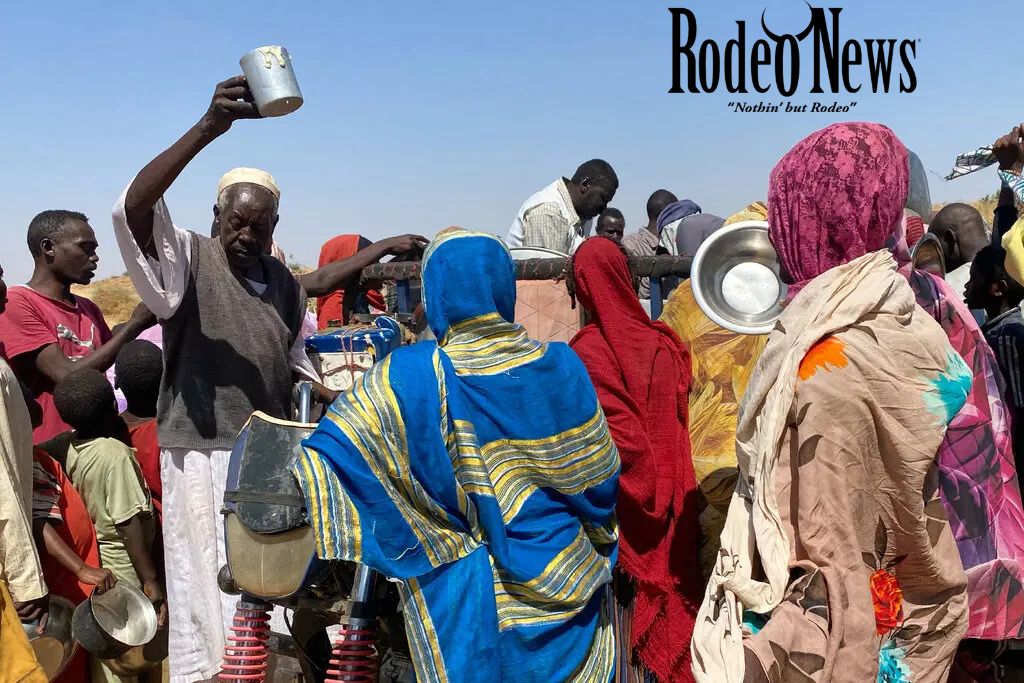
El Fasher had been under siege for around 18 months, with more than a million internally displaced people crowded into the city while food, medicine and humanitarian access were severely restricted.
When the RSF overran the city’s remaining military defences in late October 2025, survivors say the violence escalated sharply.
According to the Sudan Doctors Network, at least 1,500 people were killed in just a matter of days. The government put the toll at more than 2,000, though exact verification is impossible due to communication blackouts.
Capturing the scale of the atrocities
Aid organisations and satellite-image analysts point to mass graves, clusters of corpses, and widespread executions of civilians — including targeting of non-Arab ethnic groups such as the Zaghawa and Berti.
One displaced person described fleeing and witnessing dozens of bodies along escape routes, and a hospital overwhelmed with the dead and wounded.
Medical facilities in El Fasher reportedly collapsed or were looted. Residents fleeing to nearby towns arrived in numbers far smaller than expected, raising fears of thousands missing.
Ethnic targeting and war-crime concerns
Rights-watchers say there is strong evidence that the violence was not random. Investigators reference statements from RSF fighters, survivors’ testimonies and patterns of attack showing selective targeting of non-Arab communities. They describe the assaults as consistent with ethnic cleansing.
The United Nations and other bodies have warned that the situation may qualify as crimes against humanity or war crimes.
Humanitarian collapse
The fall of El Fasher also threatens further famine and mass displacement. The siege prior to its fall had already left many starving, and now with the city under new control, access for aid workers remains impossible.
Health crises, including malnutrition and disease, loom large, especially for children and the elderly. With basic services shattered, the civilian population faces an imminent collapse.
What the capture means for the conflict
El Fasher was the last major city held by the national military in western Darfur. With its capture, the RSF consolidates near-complete control over the region. Analysts say this marks a major turning point in the war.
The shift raises concerns about regional stability, increasing displacement into neighbouring countries, and the entrenchment of impunity as paramilitary power expands.
What has to happen now
Humanitarian organisations and international bodies call for:
A cease-fire or other political settlement to halt further carnage across Darfur and Sudan more broadly.
Immediate and unfettered humanitarian access to El Fasher and its displaced population.
Independent investigations into the killings, including possible war-crimes accountability.