U.S. Government Shutdown Reaches Historic 36-Day Mark, Becomes Longest Ever
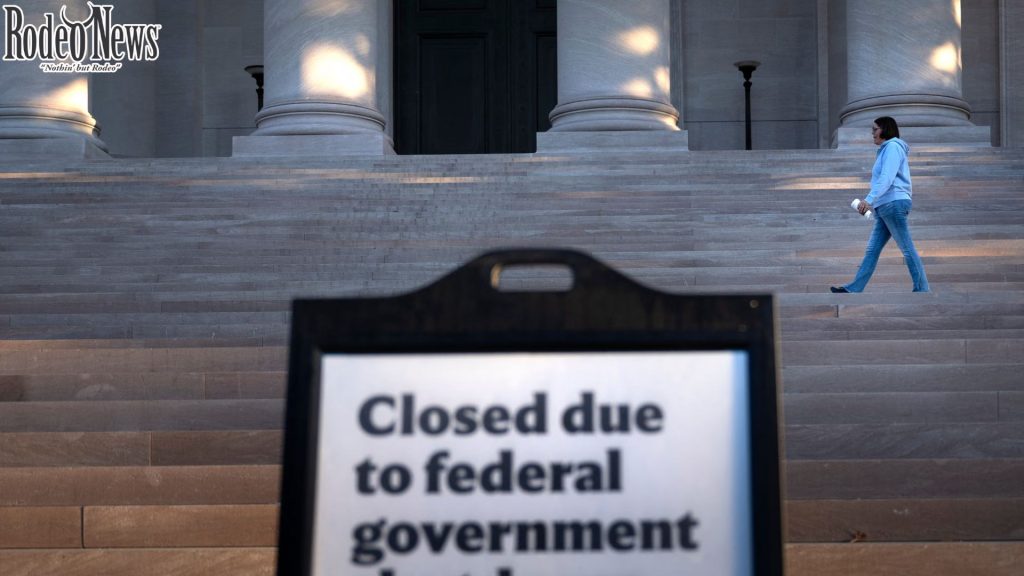
The U.S. federal government shutdown officially entered its 36th day today, making it the longest in the nation’s history.
With no resolution in sight, the country is now experiencing deepening fiscal and human impacts as federal departments remain unfunded and critical programs falter.
What Led to This Impasse
The stalemate began on October 1, when Democratic senators refused to support a spending bill unless it included an extension of tax credits under the Affordable Care Act (ACA), which reduce costs for health-insurance plans.
Meanwhile, the United States House of Representatives, controlled by Republicans, passed a stop-gap funding measure in September with only one Democrat in favour — but the legislation has since stalled dramatically.
In the Senate, majority leader John Thune has held fourteen separate votes on the bill — all have failed to secure enough Democratic support.
The Guardian
The previous record for a shutdown was 35 days during the Trump administration in December 2018-January 2019.
The Human and Economic Toll
Approximately 700,000 federal workers have been furloughed since the shutdown began. A similar number of employees are still working — but without pay until funding is restored.
The non-partisan Congressional Budget Office (CBO) estimates the shutdown could shave up to US $14 billion off U.S. GDP, depending on its duration.
Food-assistance programs such as Supplemental Nutrition Assistance Program (SNAP) are already feeling the strain: the department in charge announced it has depleted funding and can only issue half of normal benefits.
The Guardian
Meanwhile, food-banks across the country report surging demand from federal workers who can’t pay rent or buy groceries.
Additionally, health-insurance premiums under the ACA are projected to rise by an average of 26 % if the tax credits expire at year-end — a key reason Democrats say they are unwilling to simply green-light the current funding bill.
Political Dynamics at Play
Republicans argue the government is shut down because Democrats refuse to support the funding legislation.
Democrats counter that the GOP, which controls both the House and the Senate, must address the imminent loss of ACA tax credits and cannot simply shift blame.
Meanwhile, Donald Trump has mostly remained on the sidelines, participating in only one meeting with congressional leaders before the shutdown began. He recently proposed paying U.S. military personnel via unspent Pentagon R&D funds — a move which experts say may be legally dubious.
Why Resolution Remains Elusive
With the House out of session, almost all of the initiative lies in the Senate — yet no bill has attracted enough bipartisan support.
The requirement of a 60-vote threshold due to the filibuster is a significant barrier. Majority leader John Thune has indicated his caucus does not favour eliminating the filibuster.
The funding bill currently on the table would only keep the government open until November 21, meaning even a passage would likely prompt another fight unless underlying policy issues are addressed.
Looking Ahead
Unless both parties pivot toward compromise, the shutdown could continue, deepening the economic and social damage. For millions of Americans — from federal workers to low-income households relying on assistance programs — the longer the stalemate persists, the greater the pain.
U.S. Government Shutdown Enters 36th Day, Becomes Longest in HistoryThe U.S. federal government shutdown has entered its 36th day, setting a new record as Congress remains deadlocked. Federal workers remain unpaid, and the economic stakes grow
Policymakers on both sides face mounting pressure: to reopen the government, to stabilise essential services, and to shore up confidence in U.S. governance. But without relinquishing key demands — such as ACA tax-credit extensions or broader spending priorities — they may find themselves stuck in this impasse indefinitely