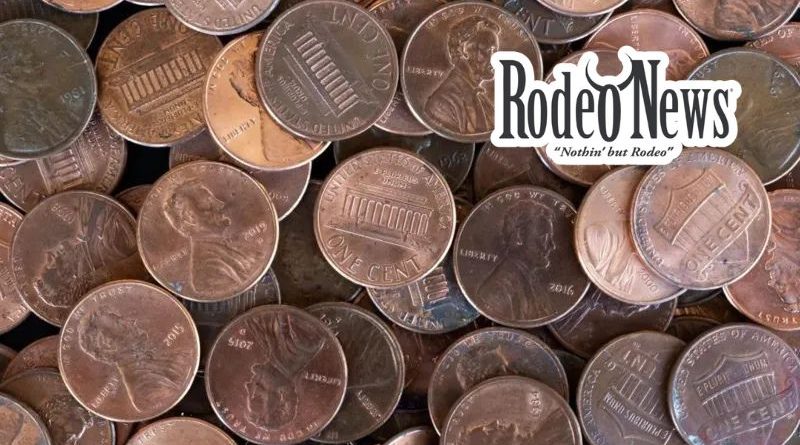
US Businesses Struggle as the Nation Runs Out of Pennies
Washington (Kilat News) — From convenience stores to grocery chains, businesses across the United States are literally running out of pennies. Since the Trump administration ended the production of the one-cent coin earlier this year, the small copper coin has become increasingly scarce — and it’s now creating major headaches for retailers.
The US Mint officially stopped minting pennies in May 2025, following a presidential directive aimed at cutting federal costs. At the time, then-President Donald Trump argued that making the coin was “wasteful and too expensive,” saying on social media that it was time to “rip the waste out of our great nation’s budget, even if it’s a penny at a time.”
The Treasury Department had projected shortages might start in early 2026. Instead, the impact arrived months ahead of schedule. Banks no longer receive new pennies from the federal government, leaving retailers unable to replenish their change drawers.
“We first heard about the issue in late August, early September,” said Dylan Jeon, senior director of government relations for the National Retail Federation. “It’s really impacting any business that deals with cash payments.”
Stores Round Prices as Change Runs Dry
With pennies disappearing from tills nationwide, many retailers have begun rounding their cash prices to the nearest five cents. For now, most stores are choosing to round down — absorbing the loss — rather than risk complaints or lawsuits over pricing discrepancies.
“You’re talking about losing up to four cents on every cash transaction across multiple stores,” Jeon said. “That adds up really quickly, and it’s unsustainable.”
The situation is further complicated by local laws. Some cities, including New York, require retailers to give exact change, while others prohibit different prices for card and cash payments. To avoid legal gray areas, many businesses are now posting signs asking customers to pay with exact change or cards only.
Small Businesses and Convenience Stores Hit Hard
Convenience stores are among the hardest hit. Jeff Lenard, spokesperson for the National Association of Convenience Stores, said major chains like Kwik Trip have started rounding transactions down to the nickel, a move that could cost the company up to $3 million this year.
“People don’t want the penny until they can’t get it back in change,” Lenard said.
Historically, the US has phased out low-denomination coins before. The half-cent, three-cent, and 20-cent pieces were discontinued in the 19th century. However, the penny — first minted in 1793 — has been a fixture of American currency for more than two centuries.
The Economics Behind the Penny
Ironically, the penny has long cost more to make than it’s worth. Producing each coin costs nearly four cents, largely due to the rising price of copper and zinc.
Still, critics say ending the coin could harm lower-income Americans, who rely more heavily on cash. Mark Weller, executive director of Americans for Common Cents, warned that rounding up transactions could disproportionately affect these groups.
“These are people who don’t have access to checking accounts or credit cards,” Weller said. “You’re hurting lower-income groups when you start rounding transactions.”
He also noted that any savings from discontinuing pennies could be offset by higher production costs for nickels — which cost about 14 cents each to mint despite their five-cent value.
Calls for Federal Guidance
Industry leaders are now urging the Treasury and the Federal Reserve to issue clear national guidelines on rounding and cash transactions to prevent confusion for both businesses and consumers.
“There will always be pennies out there,” Jeon said. “But people forget about them in their pockets, lose them in their couch, or leave them sitting in jars. Those are coins that aren’t making it back into circulation.”
For now, the country’s smallest denomination may be slipping quietly into history — one transaction at a time.