From Crime Story to Internet Culture
Swift transition to virality
The combination of high drama (one of the world’s most-visited museums hit in broad daylight), cinematic details (mask, ladders, scooters) and iconic items (royal jewels) created a narrative tailor-made for the internet.
In just hours, brands and influencers began riffing off the heist. For example:
- The German company that made the lift used in the break-in posted a tongue-in-cheek ad referencing “carrying up to 400 kg of treasures… quietly”.
- The IKEA Switzerland account quipped: “Won’t protect your crown jewels either. But it will give them the right spotlight.”
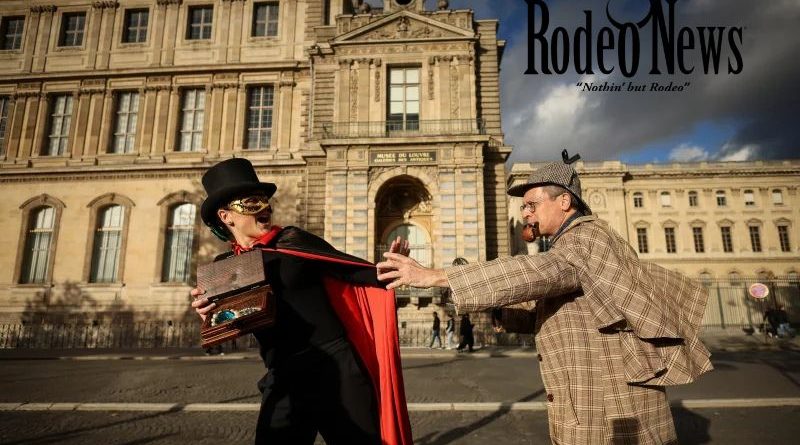
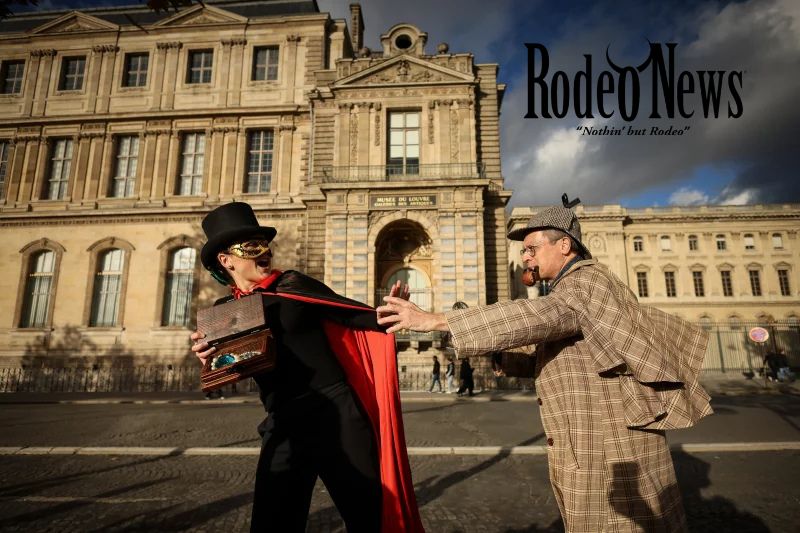
- On TikTok and Instagram users created Halloween-costume ideas, memes, mock detective tropes and stylised content around the ‘cool’ thief image.
Why the fascination?
- Fantasy element: The scenario echoes Hollywood heist movies — slick, bold, minimal violence, striking visuals.
- Escape route: The audacity of the thieves using a lift truck and scooters in daylight added to the sensationalism.
- Cultural reboot: The theft revived archetypes of robbers as cunning anti-heroes rather than violent criminals, at least in the realm of meme culture. One writer called it: “How nice to read about a heist rather than a massacre.”
The Real-World Consequences
While memes proliferate, serious questions remain:
- The museum’s security systems are under intense scrutiny. Cameras in the relevant gallery were reportedly inadequate.
- The items stolen are of immense historical and cultural value — not simply commodities. Their recovery is an urgent priority.
- The meme-ification of the event raises questions about where humour meets seriousness: does viral content trivialise heritage crime, or simply reflect modern social media dynamics?
What It Means for Heritage & Digital Culture
- Heritage institutions must recognise that high-profile incidents now play out simultaneously in physical and digital spaces. A security breach becomes also a social-media event.
- Media literacy: Consumers of content should take a moment to distinguish between memes and the real implications behind them — lost artefacts, legal investigations, national pride.
- Brand engagement: The speed at which companies leveraged the heist shows how current culture expects brands to respond in real-time to viral events — which can be risky or rewarding.
Conclusion
The Louvre heist started as a brazen physical theft of priceless jewels in one of the world’s most famous museums. Yet almost immediately it transformed into a digital spectacle — memes, brand jokes, viral costumes.
In doing so it highlights how modern culture processes big news: through jokes, iterations, memes — even when the underlying story is grave. As the investigation continues, the online echo of the event suggests our collective fascination with heists may be as much about storytelling, image and myth as it is about justice and recovery.
It’s a reminder that in 2025, a museum robbery is never just a robbery — it’s content.