A Visual Warning from the Wild
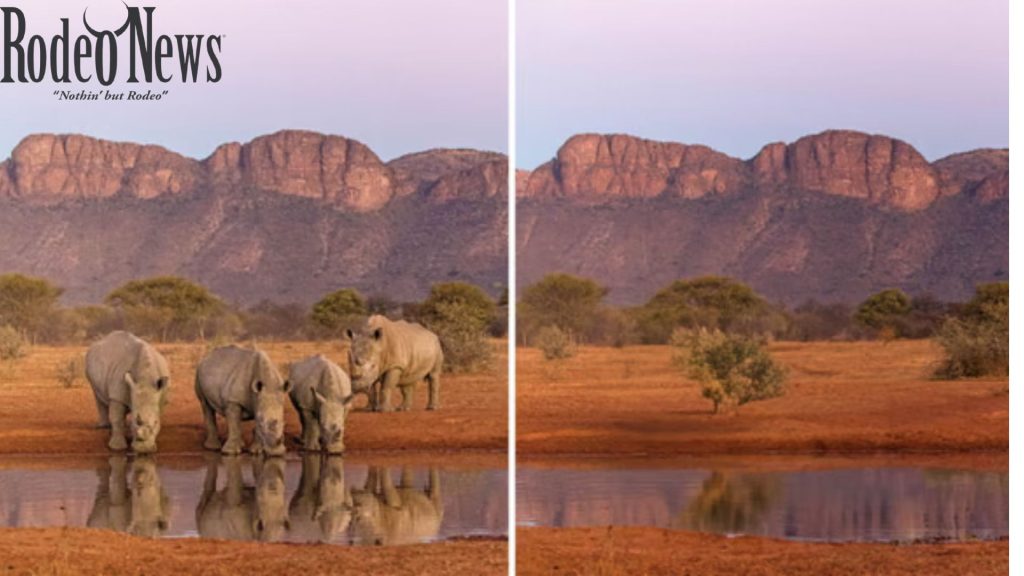
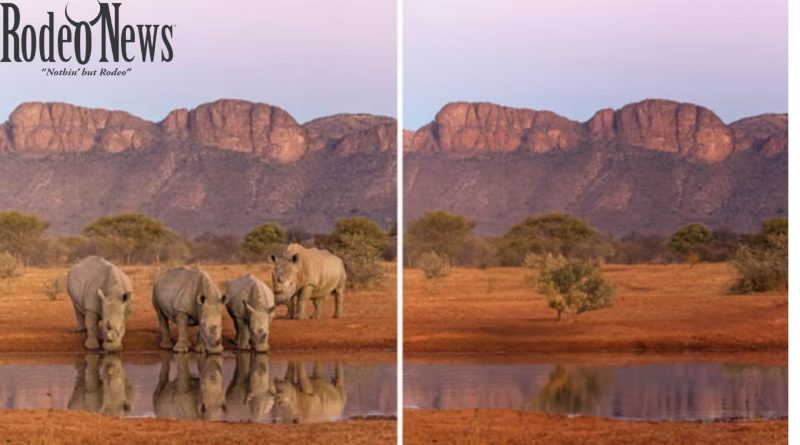
Veteran wildlife photographer Margot Raggett has issued a stark warning: global landscapes could soon become almost empty of wild animals. Her latest project, Ten Years of Remembering Wildlife, pairs real images of animals — from rhinos to pangolins — with altered versions in which the animals are digitally removed. The aim: to illustrate what the world might look like if current trends continue.
For Raggett, this is more than art — it’s a call to action. She describes the pace of wildlife decline as “so rapid” that without significant intervention we may face a future where once-rich ecosystems are silent and lifeless.
From Poaching to Planning: Multiple Threats Converging
Raggett’s concern is rooted in both global and local threats. On one front, she reflects on her experience in Kenya, having encountered a grievously injured elephant affected by poaching. That moment sparked her conservation journey.
But she also highlights the less visible, systemic threat of habitat loss closer to home. In the UK, for example, plans to build 1.5 million homes threaten to accelerate the degradation of countryside ecosystems. The government has instructed the Environment Agency to fast-track planning applications — a move that alarms environmental campaigners.
Raggett argues that in a country already densely built, redeveloping brownfield sites should take priority over clearing further green land. She warns that species loss isn’t just about “cute animals” disappearing: each plays a critical role in ecosystem health, from supporting tree growth to carbon sequestration.
Why These Images Matter
The juxtaposed photographs in her latest book aren’t meant to shock gratuitously — they’re designed to provoke reflection. What’s the world we’re leaving behind? What do we take for granted when we look at a forest, a watering hole, a savannah?
The visual removal of animals acts as a metaphor: imagine untouched landscapes, but void of movement, sound, life. That void signals loss not just of wildlife, but of ecological function — pollination, predator-prey balance, nutrient cycles.
Raggett says she hopes the images make people “pause and realise what could happen if we don’t take action”.
What Can Be Done?
Raggett remains cautiously optimistic. She believes that while the situation is dire, our collective care and effort still hold promise. Key interventions she emphasises include:
- Demand reduction for wildlife products: Poaching remains a “huge criminal industry”, particularly when demand persists for traditional medicines and luxury items. She cites bans (such as China’s ivory ban) as progress, but emphasises the need for sustained efforts.
- Habitat protection and smarter land-use: Especially in developed countries where expansion often happens at the expense of natural land. She urges a “massive pause” on sacrificing more countryside for new housing when redeveloping brownfields is viable.
- Conservation funding and awareness: Her work has raised over £1.2 million for conservation via the Remembering Wildlife series. She points out that awareness matters — without public care, it’s harder to maintain political will
Final Thoughts
Raggett’s message is both urgent and sobering: We are on a path that could render majestic landscapes utterly silent — with no cheetah sprinting under acacia trees, no polar bear clambering across melting ice, no pangolin scuttling through leaf-litter. But it’s not yet inevitable.
The future of wildlife — and of the ecosystems we depend on — hinges on choices made now. The images may be unsettling, but they are a mirror: of our world in loss, of the consequences of inaction, and of the chance still left to change course