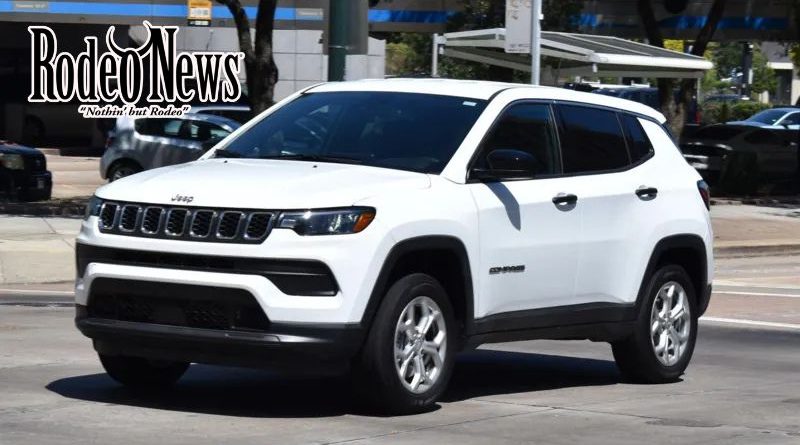
Canada Warns Stellantis Over Jeep Production Shift to US
OTTAWA — The Canadian government has issued a stern warning to global auto manufacturer Stellantis, threatening legal action over the company’s decision to shift production of the Jeep Compass from Ontario to Illinois, USA.
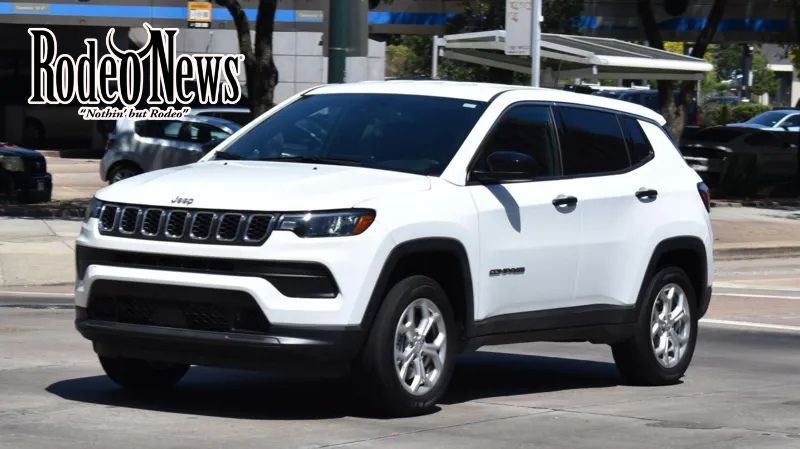
The decision, part of a massive $13 billion (CAD $17.8 billion) investment in U.S. operations announced this week, has triggered a political and economic backlash in Canada, where officials say Stellantis had made a legally binding commitment to maintain manufacturing in the city of Brampton, Ontario.
Canada: “We will use all legal options”
Industry Minister Mélanie Joly accused Stellantis of violating prior agreements that secured government subsidies in exchange for continued operations in Canada.
“Canada gave billions to Stellantis to protect jobs and secure its future in Brampton. If the company walks away, we will exercise all options, including legal action,” Joly said in a public statement.
She added that the federal government had played a crucial role in keeping the company afloat during the 2009 financial crisis and now expects the same loyalty in return.
The potential withdrawal puts hundreds of jobs at the Brampton facility at risk, raising fears among workers and local communities who depend on the auto sector.
Stellantis claims Canada remains a priority
Despite the uproar, Stellantis executives insist that the company is not abandoning Canada. CEO Antonio Filosa described the U.S. investment as the largest in Stellantis history, aimed at “strengthening our manufacturing footprint and creating thousands of American jobs.”
However, the announcement made no direct reference to Canadian operations, and company officials declined to share specific details about Brampton’s future, citing ongoing discussions with the government.
In an official response, a Stellantis spokesperson said:
“Canada is very important to us. We have plans for Brampton and will share them upon further discussions with the Canadian government. Meanwhile, we’re expanding operations at our Windsor facility, creating 1,500 new jobs.”
The Windsor plant expansion will support growing demand for the Chrysler Pacifica and the upcoming Dodge Charger Scat Pack, according to the company.
Tariffs and trade tensions in the background
The situation is unfolding against a backdrop of ongoing trade disputes between the U.S. and Canada. Earlier this year, Stellantis temporarily paused retooling efforts at the Brampton plant following new U.S. tariffs announced by former President Donald Trump.
These tariffs have had a measurable financial impact on the company. In July, Stellantis reported losses of over $349 million (CAD $462 million) due to duties imposed on Canadian and other foreign-made auto parts.
Trump’s latest tariff—10% on Canadian softwood lumber—came into effect this week, raising the total levies on some Canadian wood products to over 45%, part of a long-standing trade standoff between the two countries.
Brampton jobs in the balance
Prime Minister Mark Carney weighed in on the situation, stating that the government is in active talks with Stellantis to safeguard Canadian jobs and possibly pivot the plant toward new production lines or electric vehicle assembly.
“We are working to protect jobs in Brampton and create new opportunities. Our commitment to Canadian workers is unwavering,” Carney said during a press conference on Wednesday.
While no final decision has been made about the Brampton facility, union leaders and local officials say clarity is needed urgently. The uncertainty has already stirred anxiety among workers who fear their jobs could be relocated south of the border.
Stellantis: A global giant in a shifting industry
Stellantis, one of the world’s largest automakers, owns 14 major brands including Jeep, Fiat, Alfa Romeo, Chrysler, Dodge, and Maserati. It maintains manufacturing plants in the U.S., Canada, Mexico, Europe, and South America.
The company has been strategically shifting its focus toward electric and hybrid vehicles, aligning with global emission standards and consumer trends—but critics argue these transitions must not come at the cost of Canadian jobs.
As pressure mounts, the future of Stellantis’s Canadian footprint remains in question—and Ottawa appears ready to take a hard line.