West Bank Attack Injures Washington Post Photographer During Olive Harvest
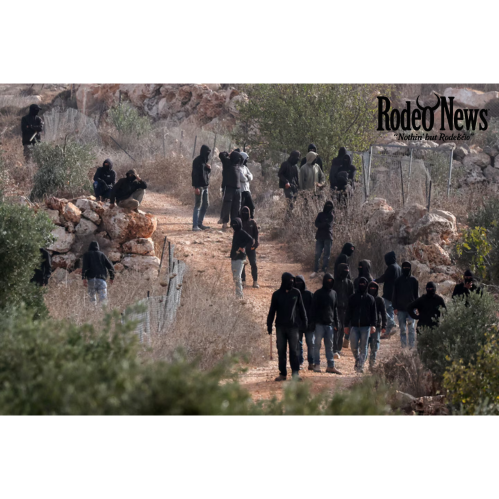
A violent West Bank attack on October 16 left Washington Post photojournalist Heidi Levine injured after masked Israeli settlers reportedly assaulted Palestinian villagers and journalists covering the annual olive harvest near Abu Falah, northeast of Ramallah. The incident prompted condemnation from media organizations and renewed calls for a thorough investigation into violence against civilians and members of the press in the occupied Palestinian territory.
Levine, an experienced conflict photographer, was taken to a hospital after being knocked to the ground and repeatedly kicked, according to her account and reports from journalists who witnessed the incident. She was wearing protective equipment marked to identify her as a member of the press.
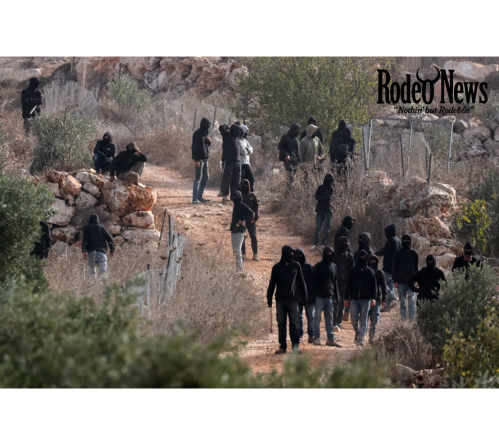
The attack occurred as Palestinian farmers gathered olives, an important seasonal crop that provides income for thousands of families across the West Bank. Witnesses and media reports described masked men throwing stones, damaging property and setting olive trees on fire during the violence.
The incident has intensified concerns about the safety of journalists and Palestinian agricultural communities amid a broader increase in settler-related violence.
West Bank Attack: What Happened Near Abu Falah?
The violence took place near Abu Falah, a Palestinian village northeast of Ramallah, as farmers and journalists were present in the area for the olive harvest.
According to eyewitness accounts and reports published by international news organizations, dozens of masked Israeli settlers approached the area where Palestinians were collecting olives. Some reportedly threw stones and used slingshots, while fires damaged olive trees and other property.
Journalists covering the harvest were caught up in the confrontation.
Levine was among those injured. She later described being pushed to the ground and repeatedly kicked by her attackers. Her helmet and protective vest may have helped prevent even more serious injuries.
Video footage circulated by journalists and news organizations showed Levine on the ground as several men surrounded her. Other journalists intervened to help her escape from the immediate danger.
The incident also reportedly involved the theft of photographic equipment and personal belongings.
The precise sequence of events and the identities of those responsible remain matters for investigators to establish. However, the reported assault on a clearly identifiable journalist has raised serious questions about the protection of media workers covering violence in conflict-affected areas.
The Washington Post condemned the attack and called for a thorough investigation.
Heidi Levine’s Injuries Raise Concerns About Journalist Safety
Levine is a veteran photojournalist who has documented conflicts and political developments across the Middle East and other regions.
Her experience has included reporting from dangerous environments where journalists must work amid unpredictable security conditions. Nevertheless, identifying oneself clearly as a member of the press does not eliminate the risk of violence.
Reports following the October 16 incident indicated that Levine suffered multiple injuries and required hospital treatment. She was wearing protective equipment, including a helmet and a vest marked with the word “PRESS.”
Her account underscored the severity of the assault.
The incident also demonstrated the risks faced by journalists who cover attacks on civilians. Reporters and photographers often need to remain close enough to document events accurately, even when tensions are escalating.
That proximity can expose them to physical attacks, projectiles, intimidation and damage to their equipment.
Why protecting journalists matters
Journalists play an essential role in documenting events that might otherwise receive little independent scrutiny. Photographs, video recordings and eyewitness interviews can help establish what happened, identify potential abuses and inform public debate.
When reporters are attacked while carrying out their professional duties, the consequences extend beyond the individuals involved.
Violence against journalists can discourage other media workers from entering dangerous areas. It can also make it more difficult for the public to obtain reliable information about events affecting vulnerable communities.
For these reasons, media organizations and press freedom advocates have repeatedly called for journalists to be protected and for attacks against them to be investigated.
In Levine’s case, the visibility of her press identification has become a particularly important element of the public response.
The investigation will need to establish the circumstances of the assault, including who participated, what role individual suspects played and whether any failures by security personnel contributed to the incident.
Washington Post Demands a Thorough Investigation
The Washington Post responded strongly after learning that its photographer had been injured while reporting in the West Bank.
Executive Editor Matt Murray said the newspaper was relieved that Levine had received medical care but expressed outrage over the attack. He called on the relevant authorities to conduct a thorough investigation and ensure appropriate follow-through.
The newspaper’s response reflects wider concerns among international media organizations about the risks facing journalists in the occupied West Bank.
The Foreign Press Association, which represents international journalists working in Israel and the Palestinian territories, also condemned the incident.
The association described the assault as part of a longer pattern of attacks against journalists and other civilians in the territory. It renewed its criticism of what it considers an inadequate response by Israeli authorities to repeated incidents of settler violence.
Such concerns have become particularly pressing during the annual olive harvest, when Palestinian farmers and journalists travel to rural communities and agricultural areas where confrontations can occur.
For news organizations, the central questions extend beyond the immediate injuries. They include whether investigators will identify those responsible, whether suspects will face prosecution and whether effective measures will be introduced to prevent similar attacks.
The importance of accountability
A credible investigation requires investigators to gather available video footage, interview witnesses, examine physical evidence and determine the involvement of those present.
It must also distinguish between verified facts, eyewitness allegations and claims made by interested parties.
Accountability is especially important when an attack involves people performing protected civilian activities, including agricultural work and journalism.
Without meaningful investigations and appropriate legal consequences, critics warn that perpetrators may conclude that violence carries little risk of punishment.
The outcome of the investigation into Levine’s assault could therefore have implications for journalists and Palestinian residents beyond Abu Falah.
Israeli Authorities Face Pressure to Investigate
Israeli police said an investigation had been opened following the reported assault.
Authorities indicated that investigators would gather evidence and testimonies as part of the inquiry. The Israeli military also acknowledged that a journalist had been injured during the confrontation and said the circumstances would be examined.
These steps represent the beginning of an investigative process, not a final determination of responsibility.
The office of Israeli Prime Minister Benjamin Netanyahu said the circumstances surrounding the confrontation remained under investigation. Netanyahu condemned violence against people regardless of their background, including journalists, while calling for the facts to be established.
The different accounts surrounding the incident highlight the importance of an independent, evidence-based inquiry.
Eyewitnesses and journalists described an attack by masked settlers, while official statements indicated that authorities were still examining the circumstances.
Investigators must determine the sequence of events, identify individuals involved and establish whether anyone committed criminal offenses.
Another important question concerns the conduct of security forces at the scene.
Witness accounts and media reports raised concerns about whether Israeli soldiers present during the incident intervened adequately to protect civilians and journalists. Those questions also require careful examination based on evidence.
The opening of an investigation does not itself establish that authorities have fulfilled their responsibilities. Its credibility will depend on the transparency of the process, the quality of the evidence collected and the actions taken when findings become available.
Palestinian Olive Harvest Faces Growing Threats
The attack near Abu Falah occurred during one of the most important agricultural periods for Palestinian communities.
Olive cultivation has deep economic, cultural and historical significance across the West Bank. For many families, the annual harvest provides essential income and connects generations through a shared agricultural tradition.
The season brings farmers into olive groves that may be located near settlements, outposts or areas where access is contested.
As a result, harvesting can become difficult or dangerous in communities experiencing rising tensions.
Why the olive harvest matters
Olive oil production supports household incomes, local businesses and agricultural supply chains. The harvest also contributes to food security and preserves traditional farming practices.
When olive trees are burned, damaged or become inaccessible, the effects can continue well beyond a single season.
Mature olive trees take years to grow and can provide fruit for generations. Destroying them can therefore create lasting economic losses for families that depend on the groves.
Farmers may also face the costs of repairing damaged property, replacing equipment and dealing with interrupted harvesting schedules.
The psychological consequences should not be overlooked. Repeated threats or attacks can make people afraid to enter their own agricultural land.
For some families, the combined pressure of economic uncertainty and insecurity may eventually make continued farming unsustainable.
Violence during the harvest season
Reports from October 16 described attacks affecting multiple Palestinian villages, with incidents involving damaged vehicles, burning trees and physical assaults.
The reported violence near Abu Falah was therefore part of a wider series of incidents rather than an isolated confrontation involving one photographer.
Israeli human rights organizations and international observers have raised concerns about settler violence in the West Bank, including allegations that perpetrators are not consistently held accountable.
The scale and circumstances of individual incidents vary, making reliable documentation essential.
Farmers, local officials, medical personnel, journalists and rights groups can all provide evidence that helps establish the extent of the violence and its effects on affected communities.
The challenge for authorities is to ensure that Palestinians can carry out lawful agricultural activities without facing threats or physical attacks.
West Bank Violence and the Broader Israeli-Palestinian Conflict
The reported assault on Levine occurred against the backdrop of longstanding tensions between Israelis and Palestinians in the West Bank.
The territory has been under Israeli occupation since 1967. It is home to millions of Palestinians as well as Israeli settlements that have expanded over decades.
Most countries and the United Nations consider Israeli settlements in the occupied Palestinian territory illegal under international law. Israel disputes aspects of this position and describes the territory’s status differently.
The conflict involves overlapping disputes concerning land, security, movement, political control and Palestinian self-determination.
Within that wider context, settler violence has become a recurring concern for Palestinian residents, humanitarian organizations and international observers.
Incidents reported over the years have included assaults on individuals, property destruction, damage to agricultural land and confrontations around villages.
The consequences can be particularly severe for rural communities whose livelihoods depend on access to fields, water sources and transportation routes.
The October 16 attack has brought renewed attention to these issues because a foreign journalist covering Palestinian farmers was among those injured.
The role of security forces
The presence and conduct of security forces are central to debates over how violence in the West Bank should be addressed.
Israeli authorities are responsible for investigating alleged criminal conduct and enforcing applicable law. Questions about whether soldiers or police intervened appropriately must be assessed against the evidence from each incident.
Palestinian residents and human rights advocates have repeatedly alleged that security forces sometimes fail to prevent settler attacks or respond inadequately when violence occurs.
Israeli authorities have, in other cases, condemned violence and announced investigations.
The central issue is whether these responses consistently lead to effective protection for civilians and credible legal accountability.
For communities experiencing repeated attacks, statements of condemnation are unlikely to provide lasting reassurance unless they are accompanied by practical measures.
These may include protecting access to agricultural land, responding promptly to emergency calls, preserving evidence and prosecuting individuals when sufficient evidence supports criminal charges.
International Response Highlights Press Freedom Concerns
The attack prompted criticism from media organizations and calls for accountability from American officials.
The U.S. State Department said it condemned criminal violence in the West Bank and supported appropriate investigations and legal accountability for those responsible. It also reached out to the Washington Post to offer consular assistance.
The response reflects the importance of protecting American citizens abroad, while also emphasizing the broader principle that journalists should be able to report without being subjected to violence.
Press freedom organizations have similarly argued that attacks on journalists must be investigated regardless of the identity of the perpetrators or the political circumstances surrounding an incident.
The international response also highlights a practical problem for conflict reporting: journalists may be exposed to danger from multiple sources, including armed groups, state forces, civilians and other actors.
Protective equipment and professional training can reduce certain risks, but they cannot guarantee safety.
Effective protection also depends on authorities respecting press identification, responding to threats and investigating attacks when they occur.
Why international scrutiny matters
International attention can help ensure that serious incidents receive public scrutiny. It can also encourage authorities to explain what investigative steps have been taken.
However, public condemnation alone cannot establish individual criminal responsibility.
That requires evidence, a fair investigative process and legal proceedings where warranted.
In Levine’s case, international scrutiny is likely to remain focused on whether the investigation identifies the people responsible and whether the findings lead to meaningful accountability.
The case may also influence broader discussions about the security of foreign correspondents and local journalists covering violence in the occupied territory.
What Happens Next in the Investigation?
Several questions remain central to the aftermath of the West Bank attack.
First, investigators must establish a detailed account of what happened near Abu Falah. Witness testimony, video footage and other available evidence may help identify those involved and clarify the sequence of events.
Second, authorities must determine whether criminal charges are justified against any suspects. Any legal action should be based on evidence and the applicable law.
Third, the conduct of security personnel at the scene may require examination, particularly in light of reports that soldiers were present during the confrontation.
Finally, the incident raises questions about what measures can be taken to reduce the risk of future attacks against Palestinian farmers and journalists.
For Levine, the immediate priority is recovery from her injuries. For the Washington Post and other media
The investigation’s findings may help clarify responsibility for the October 16 incident. Whether they lead to broader improvements in civilian protection will depend on the actions taken afterward.
Conclusion: Accountability Is Essential After the West Bank Attack
The October 16 West Bank attack near Abu Falah has raised serious concerns about the safety of journalists and Palestinian farmers during the annual olive harvest.
Heidi Levine’s reported assault has drawn attention to the dangers faced by photographers and reporters documenting violence in the occupied territory. The damage to agricultural property described by witnesses has also highlighted the economic and social pressures facing Palestinian rural communities.
Israeli authorities have announced an investigation, while the Washington Post, press organizations and U.S. officials have called for accountability.
The next steps are crucial. Investigators must establish the facts, identify those responsible where evidence permits and ensure that appropriate legal procedures follow.
The wider challenge extends beyond one incident. Protecting journalists, safeguarding civilians and ensuring that people can access their agricultural land without fear of violence are essential responsibilities.
A transparent investigation and meaningful accountability would represent an important response to the reported assault. Preventing similar incidents in the future will require sustained attention to the conditions that allow violence to occur and to the effectiveness of measures intended to stop it.