USAF to Send Last A‑10 Through Depot Maintenance as Dedicated Squadron Deactivates
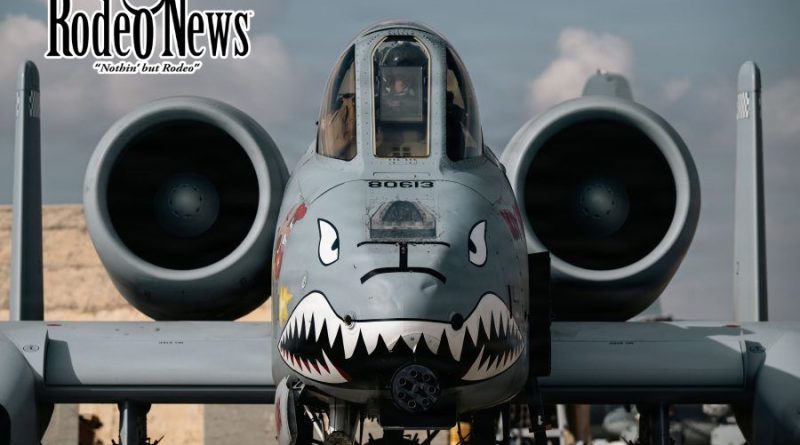
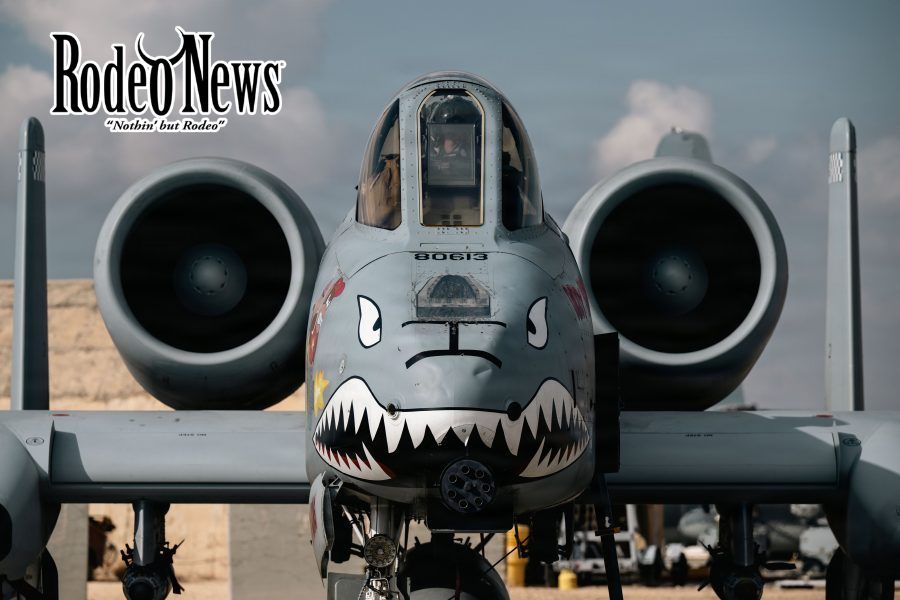
The U.S. Air Force is preparing to send the final A‑10 Thunderbolt II through depot‑level maintenance this month and will deactivate the maintenance squadron long responsible for overhauling and rebuilding the iconic close air support jet, officials announced.
The move signals a significant shift in sustainment operations for the aging aircraft and underscores the broader effort by the Air Force to wind down the A‑10’s service life, a subject of debate between military leaders and lawmakers for more than a decade.
Depot Closure Marks End of an Era
At Hill Air Force Base in Utah, where the Ogden Air Logistics Complex is based, the 571st Aircraft Maintenance Squadron will be formally deactivated, and its personnel reassigned to sustainment work on other aircraft programs such as the F‑35 Lightning II, F‑16 Fighting Falcon, and C‑130 Hercules fleets.
The squadron has conducted depot‑level maintenance — including structural overhauls, major upgrades, and complete rebuilds — on the iconic A‑10 since 1998. Its deactivation, marked by farewell ceremonies, reflects the service’s shifting priorities toward modern multi‑role and fifth‑generation aircraft.
Brig. Gen. Hall Sebren, commander of the Ogden Air Logistics Complex, praised the squadron’s legacy, saying its workers “extended the life of this aircraft again and again” with professionalism and pride that became part of the complex’s identity.
A‑10 Still Flyable, But Its Future Is Uncertain
Although this step reduces the Air Force’s capacity for in‑depth depot repairs, the A‑10 fleet remains active, with aircraft still flying missions and participating in exercises. Recently, Pentagon images showed an A‑10 providing close support for naval training in the Arabian Gulf, illustrating its ongoing utility even as sustainment resources shift.
A‑10s have also been observed conducting operations in the Middle East amid heightened regional tensions this year, showcasing the aircraft’s continued relevance in niche mission sets, especially in close air support and defensive scenarios.
Introduced in the 1970s, the A‑10 has carved out a unique role in U.S. military history, earning a reputation among ground forces for its durability, firepower — especially its 30mm GAU‑8/A autocannon — and ability to sustain damage and remain airborne.
Retirement Debate: Air Force vs. Congress
The move to deactivate the depot underscores long‑standing disagreements between the Air Force and Congress over the A‑10’s future. Air Force leadership has argued for retiring the platform, citing concerns over survivability in high‑end conflicts and asserting that newer aircraft like the F‑35 could absorb many of its mission responsibilities.
In its fiscal 2026 budget request, the Air Force proposed retiring its remaining 162 A‑10s earlier than previously planned and significantly reducing funding for depot maintenance — with no funds allocated for fiscal year 2026.
Congress has repeatedly pushed back against full divestment, restricting retirement in recent appropriations measures and insisting that the service maintain capacity for close air support missions. Last December, lawmakers blocked plans to retire 102 A‑10s, ensuring a portion of the fleet remains in service for now.
However, without a dedicated depot maintenance facility or funding, those aircraft may face increasing availability issues as they accrue flying hours, raising questions about sustainment logistics and long‑term readiness.
Legacy and Transition
Units across the Air Force have already begun transitioning away from the A‑10. Some squadrons are reequipping with F‑35s or F‑16s, while others are transforming into non‑flying or cyber missions. These adjustments reflect broader strategic shifts as the service modernizes its force structure for future challenges.
For decades, the A‑10 earned admiration for its service in conflicts from Operation Desert Storm to Iraq, Afghanistan, and the Global War on Terror, often flying close air support missions that put it in direct support of ground troops.
The deactivation of its primary depot marks a notable chapter in the aircraft’s storied history, even as A‑10s continue to fly and support missions. Whether the fleet’s role will evolve further or ultimately phase out entirely — and on what timeline — remains a central question for U.S. defense planners and lawmakers alike.