Last U.S.-Russia Nuclear Treaty Nears Expiration Amid Testing Threats
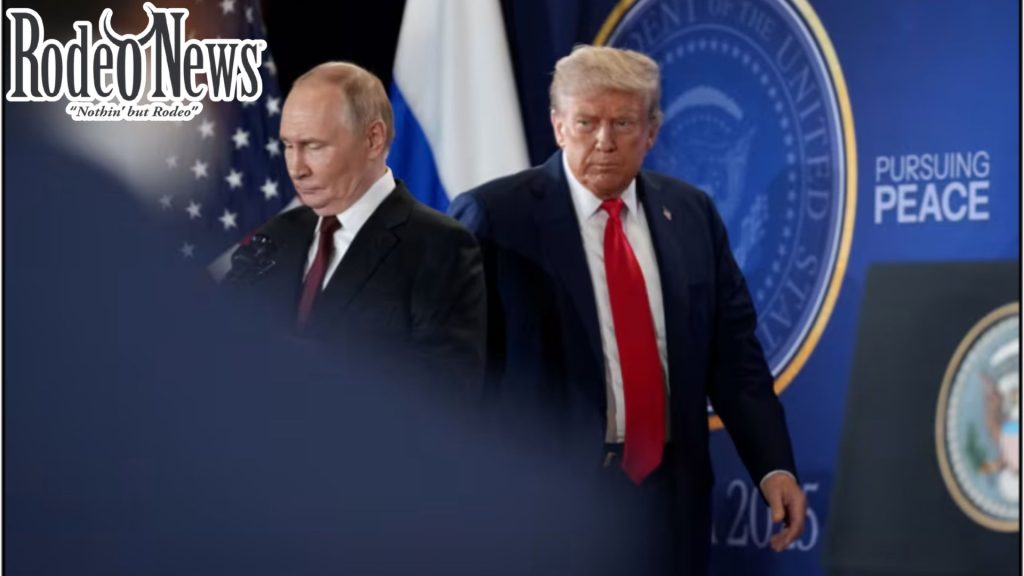
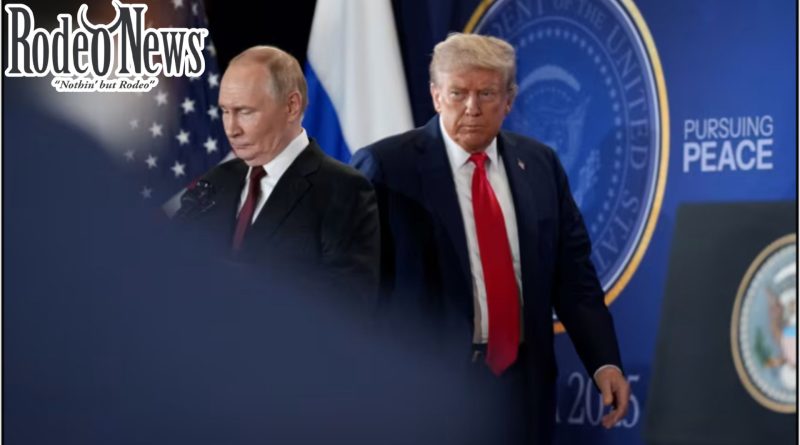
U.S. President Donald Trump and Russian President Vladimir Putin have recently intensified nuclear rhetoric, trading bold warnings about re-starting nuclear tests — a shift that has alarmed global observers as the final major arms control pact between their countries nears its end.
Their public posturing began after Putin announced tests of a nuclear-powered Poseidon underwater drone in late October. Shortly afterward, Trump said he had ordered the resumption of U.S. nuclear testing for the first time in decades. In response, Russia signaled it may follow suit.
These provocative moves come as New START, the last remaining nuclear arms control treaty between the United States and Russia, is scheduled to expire on February 4, 2026.
What Is New START?
New START (Strategic Arms Reduction Treaty) limits both nations to 1,550 deployed long-range warheads on delivery systems like intercontinental ballistic missiles, submarine-launched missiles, and bombers.
Although inspections and on-site verification mechanisms under the treaty were paused — formally by Russia in 2023 — both sides have largely stuck to the numerical limits.
Why the Testing Talk Matters
Nuclear testing talk is raising serious concern because:
- Escalation risk – Resuming tests would break long-standing norms and could spark a renewed arms race.
- Signaling, not just capability – Some experts interpret recent Russian and U.S. statements as political posturing rather than outright technical moves.
- Verification challenges – With inspections suspended, the risk of misunderstandings or miscalculations grows
Diplomatic Stalemate
Inside diplomatic circles, the idea of extending New START has been floated. Putin has publicly offered to keep observing the treaty’s warhead caps for an extra year beyond the expiry date — but only if the U.S. reciprocates.
Meanwhile, Trump has expressed openness to maintaining some limits, even suggesting China could be brought into future arms control talks.
However, no formal negotiations to extend or replace New START appear to be underway.
Expert Concerns
Security analysts warn that allowing New START to expire without a successor would leave no bilateral nuclear caps between two of the world’s largest arsenals.
Corey Hinderstein, vice president for studies at the Carnegie Endowment for Nuclear Peace, noted that losing the treaty would remove critical verification tools and increase the risk of “misunderstanding, miscalculation, and a lack of engagement.”
What Could Happen Next
- A voluntary, political extension of the treaty’s limits could be agreed, even if formal inspections don’t resume. U.S.-Russia nuclear treaty
- U.S. and Russian experts may try to find a diplomatic “off-ramp” to dial back the nuclear testing rhetoric.
- Broader multilateral arms control — potentially including China — could re-enter the conversation, though experts say trust and verification capacity are deeply eroded.
Conclusion
With just a few months left before New START expires, the increasing nuclear saber-rattling between Washington and Moscow is more than symbolic — it reflects deepening instability in a post–Cold War arms control regime. As both sides weigh testing and treaty futures, the world watches nervously, hoping that restraint will prevail before these last formal constraints dissolve