US Job Openings Fall to Lowest Since 2020 as Labor Market Shows Signs of Weakness
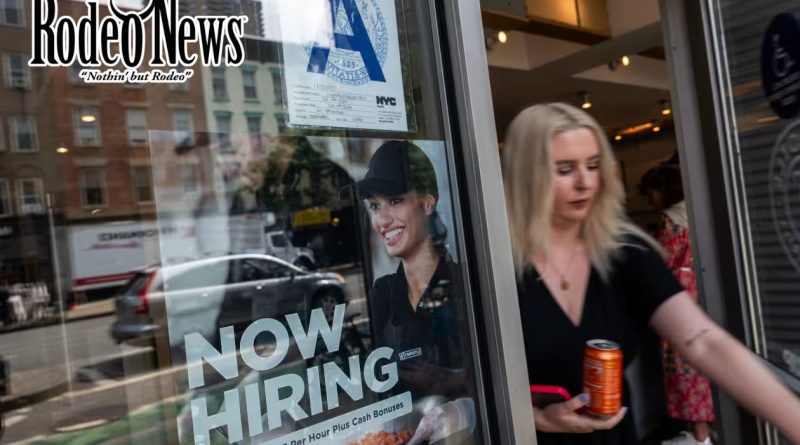
WASHINGTON — The United States labor market showed renewed signs of fragility this week, with job openings plunging to their lowest level since late 2020 in December 2025, according to government data that underscores slowing hiring momentum even as parts of the economy continue to expand.
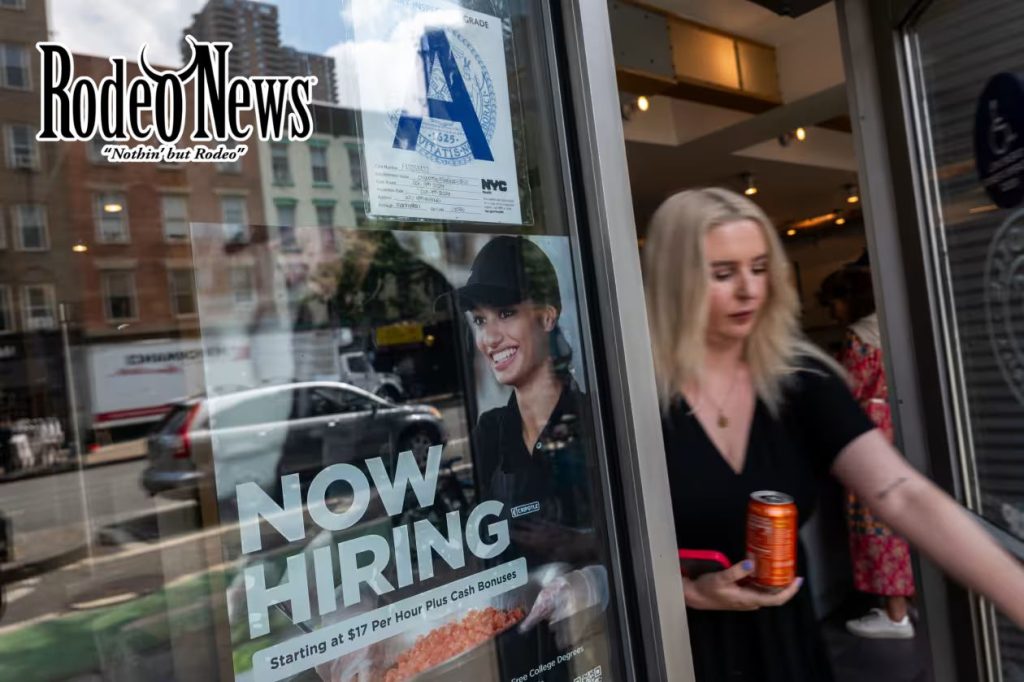
The latest Job Openings and Labor Turnover Survey (JOLTS) from the Labor Department revealed that the number of available positions dropped to 6.5 million in December, down from 6.9 million in November and well below economists’ expectations — marking the fewest openings reported since September 2020.
Hiring Slows Amid Broader Economic Growth
The decline in vacancies comes against a backdrop of a complex and uneven labor market. While the US economy has maintained moderate growth in output, hiring has slowed dramatically compared with the post-pandemic boom that followed lockdowns. Since March, employers have added an average of just 28,000 jobs per month, a stark contrast with the 400,000-plus monthly gains seen in 2021-2023.
The weak openings data reflects broader caution among employers, who appear reluctant to expand payrolls despite continued gross domestic product growth. Analysts say this disconnect between economic output and job creation could signal deeper structural shifts in hiring behaviour.
Layoffs and Job Separations
Although layoffs edged up slightly in December, they remain comparatively modest by historical standards, while the number of voluntary quits — a barometer of worker confidence — stayed roughly steady at around 3.2 million.
The relatively stable quits figure suggests that workers are not fleeing their jobs in search of higher pay or better conditions, a trend that was prominent earlier in the recovery. Instead, many employees appear to be holding onto existing positions amid a job market with fewer openings and more limited alternatives.
Private Hiring Also Sluggish
Complementary data from private payroll processor ADP showed similarly weak job creation in January, with only 22,000 jobs added in the private sector, far below economist forecasts and reinforcing the narrative of slack hiring early in 2026.
Industries such as education and health services were among the few sectors to post meaningful gains, while others lagged behind or trimmed hiring markedly.
Economic Implications and Forecasts
Economists are wrestling with how to interpret the mixed signals emanating from the labor market. On one hand, prolonged economic expansion and solid GDP figures point to underlying resilience. On the other, subdued job creation and falling openings raise questions about employer confidence and future wage pressures.
Some analysts suggest that technological changes, including automation and artificial intelligence, could be contributing to a structural slowdown in hiring, allowing companies to maintain production and growth with fewer new workers. Others warn that continued weak job creation could eventually dampen consumer spending and broader economic momentum.
The Labor Department is scheduled to release the official January jobs report later in February, which analysts hope will provide further clarity on the trajectory of US hiring and unemployment rates.