Starbucks Sells Majority Stake in China Business to Boyu Capital in $4 Billion Deal
Starbucks has announced a strategic move to sell a majority stake in its China business to Hong Kong-based private equity group Boyu Capital, forming a new joint venture valued at approximately $4 billion. The deal is set to significantly boost Starbucks’ footprint in the world’s second-largest coffee market.
As part of the deal, Boyu Capital will acquire up to 60% of Starbucks’ 8,000 stores in China, leaving the coffee giant with a 40% stake while continuing to retain control over the Starbucks brand and intellectual property. The agreement reflects a growing push by Starbucks to accelerate its expansion in China, despite recent challenges in the market.
A Changing Landscape in China’s Coffee Market
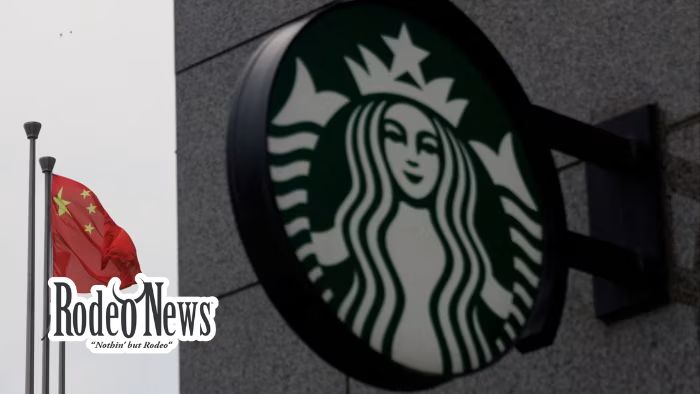
Starbucks has been a dominant player in the Chinese coffee scene since its entry in 1999. Over the years, the brand has played a key role in cultivating China’s coffee culture, with rapid growth in the early 2000s and a steady stream of new store openings across the country. However, the last few years have presented hurdles for the company, especially amid the COVID-19 pandemic and a slowdown in the Chinese economy. Local competitors have gained ground by offering more affordable options, leading Starbucks to re-evaluate its pricing strategy, including slashing prices on some drinks this summer.
Despite these headwinds, Starbucks remains optimistic about its future in China. The company reported $3 billion in net revenue from its China operations during fiscal 2024, making it its second-largest market after the U.S. The new joint venture with Boyu Capital is seen as a way to solidify Starbucks’ foothold in China and expand its reach to new cities and regions.
Boyu Capital’s Strategic Role in Expansion
Boyu Capital, a prominent private equity firm based in Hong Kong, is expected to bring valuable local knowledge and expertise to the joint venture. The firm’s track record in China’s retail and consumer sectors is seen as a strong asset in helping Starbucks navigate the complexities of the Chinese market.
In a statement, Starbucks CEO Brian Niccol emphasized the importance of this local partnership, saying, “Boyu’s deep local knowledge and expertise will help accelerate our growth in China, especially as we expand into smaller cities and new regions. We’ve found a partner who shares our commitment to a great partner experience and world-class customer service.”
The deal also signals a new chapter for Starbucks’ ambitious growth plans in China. The company aims to nearly double its store count in the country, targeting up to 20,000 stores—more than its current store network in North America.
What the Deal Means for Starbucks and Boyu Capital
The deal, which involves a cash-free, debt-free enterprise value of approximately $4 billion, positions Starbucks to benefit from the continued growth of China’s coffee culture. While Starbucks retains its brand ownership, the new joint venture structure will allow Boyu Capital to assume a controlling interest, providing them with greater operational influence and a larger share of the revenue.
According to Starbucks, the total value of its China business—factoring in the sale, its retained interest in the venture, and future licensing payments—could surpass $13 billion. This includes proceeds from the stake sale and the ongoing licensing revenue Starbucks will receive from its intellectual property in the joint venture.
While Boyu Capital and Starbucks are the main players in this deal, other notable investors, including Neil Shen’s HongShan Capital Group, Primavera Capital, and FountainVest, also submitted bids for a share of Starbucks’ China business. Boyu Capital ultimately emerged as the top contender.
Stabilizing Operations Amid Challenging Times
Starbucks’ China business faced a significant downturn earlier in 2024, with sales falling sharply due to the lingering effects of pandemic lockdowns and rising competition. However, recent figures show a more positive trend. In the quarter ending in September, Starbucks reported a 2% increase in comparable store sales in China, bolstered by a 9% rise in transactions. This uptick, however, was partially offset by a 7% decline in the average transaction value, indicating the challenges of balancing customer volume with pricing power.
Despite these challenges, Starbucks remains committed to its vision of expanding its brand presence across China. The joint venture with Boyu Capital represents a new chapter in Starbucks’ journey in the country, where it is now pivoting toward smaller cities and rural areas where demand for coffee is growing.
Looking Ahead: What’s Next for Starbucks in China?
The formation of the joint venture with Boyu Capital is just the beginning of Starbucks’ next phase in China. The company is positioning itself for aggressive expansion into untapped regions and less saturated markets, targeting a larger share of the growing middle class in smaller cities and suburban areas.
With Boyu Capital’s support, Starbucks hopes to accelerate its growth trajectory and capture a bigger slice of China’s rapidly evolving coffee market. As consumer preferences evolve and competition increases, Starbucks is betting that the partnership with Boyu will provide the necessary resources and expertise to stay ahead of the curve in the world’s most populous country.
This bold move also highlights a wider trend in global markets, where international brands are increasingly seeking local partners to navigate complex regulatory and competitive landscapes. For Starbucks, this partnership could serve as a model for future ventures in other regions, as it looks to solidify its position as a leader in the global coffee industry.
Conclusion
Starbucks’ sale of a majority stake in its China business to Boyu Capital marks a significant shift in the company’s strategy as it looks to secure long-term growth in a challenging market. The $4 billion joint venture will not only help Starbucks expand its footprint in China but also provide a valuable opportunity to tap into the expertise of one of Asia’s leading private equity firms. As the company faces mounting competition and shifting consumer habits, the collaboration with Boyu Capital could be the key to maintaining Starbucks’ dominance in China’s evolving coffee culture.