How San Diego’s Border Has Quieted as U.S. Migration Rates Plunge
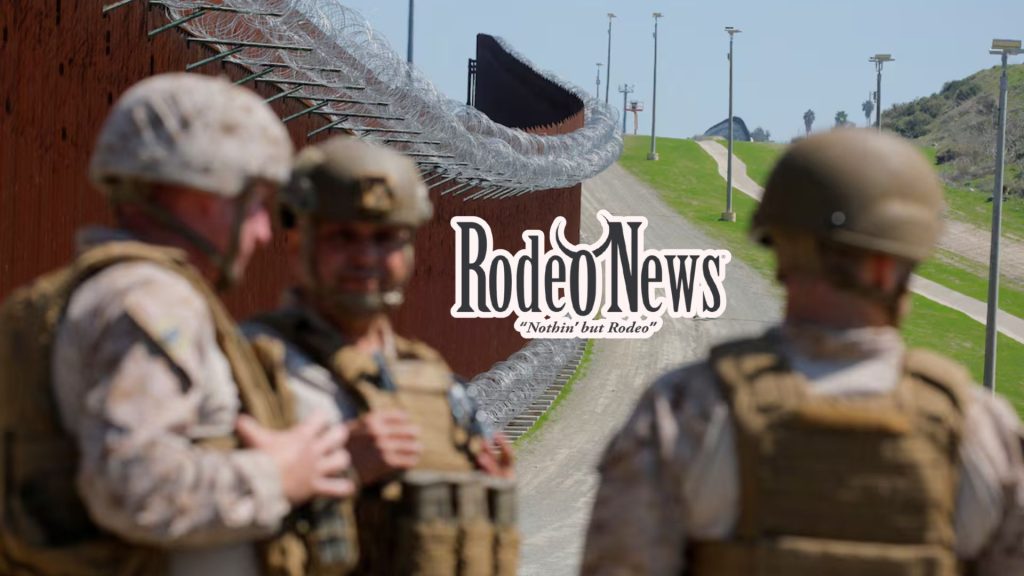
Since President Donald Trump returned to the White House in January 2025, migration across the San Diego–Tijuana corridor has declined sharply, transforming daily life on both sides of the U.S.–Mexico border.
Border apprehensions in the San Diego sector have fallen by nearly 90%, reaching levels not seen since 1970.
This steep drop is largely driven by aggressive immigration policies introduced by the administration — including a ban on asylum for many southern-border crossers, mass deportations, and record-setting funding for enforcement.
Empty Trauma Bays, Fewer Border Wall Injuries
One of the most visible signs of the change has been in local hospitals. Dr. Vishal Bansal, a trauma surgeon in San Diego, says his ward is almost empty of the migrants he regularly treated for injuries sustained after falling from the border wall.
In the first 10 months of 2025, Scripps Mercy and UCSD Medical Center combined treated just 44 patients with such fall-related injuries — a dramatic drop from 1,210 in 2024.
Bansal notes that with fewer emergencies tied to border falls, hospital teams can now focus more on planned surgeries and standard care.
Transit Centers and Shelters Go Quiet
Transit centers in San Diego that were once makeshift depots for migrants have largely returned to normal use.
The dusty gathering area beneath towering walls, where asylum seekers used to turn themselves in to U.S. officials, now stands empty.
Over in Tijuana, migrant shelters report dramatic declines in occupancy. For example, a shelter called Ambassadors of Jesus used to house 1,200 people; now it has just 450–500.
At another shelter with a mosque — which used to welcome migrants from Africa, Eastern Europe, and the Middle East — numbers have dropped by about half.
Some remaining migrants say they are stuck, waiting for a change in U.S. policy. “Some are just waiting for Donald Trump to finish his term to see what will happen,” said Gustavo Banda, director of the Ambassadors shelter.
Legal Limbo and Tough Choices
Immigrant advocates report a growing reluctance among migrants to apply for asylum. Facing restricted access, many opt for voluntary departure instead.
Tracy Crowley, an attorney with the Immigrant Defenders Law Center in San Diego, paints a bleak picture of life in U.S. detention centers: people sleeping on the floor next to toilets, limited medical care, and poor food.
Investing.com
She worries that while trafficking may be down — or less reported — the underlying vulnerability remains. “The market’s still there and vulnerable people still exist,” she said.
A Shift in Border Control Strategy
The Trump administration has pointed to the sharp decline in crossings as a success for its hard-line border policies.
TradingView
In the San Diego sector, which spans roughly 60 miles (100 km) of the border, fewer apprehensions mean agents have more capacity to patrol remote desert and mountain areas.
Eric Lavergne, a U.S. Border Patrol spokesperson, described the current drop in crossings as “already historic,” suggesting the region may set a new low for the 21st century.
Lives in Limbo Across the Divide
While the flow of migrants has slowed, the human consequences continue. In Tijuana, officials say some who remain are too afraid to return home due to violence or persecution.
Psychologists Without Borders, providing mental health support to migrants, reports that many feel “stuck.”
At Assabil, a Tijuana shelter that serves mostly Muslim migrants, Imam Abubakar Adam Isshaq, who fled Ghana, urged compassion from Americans. “They need to have compassion,” he said. “Not everyone is a bad person.”
Bottom Line
San Diego’s border region is undergoing a rapid transformation. Where once there was chaos, now there is relative calm. Yet the decline in migration has not erased the deep humanitarian, legal, and political tensions that defined the crisis. As enforcement tightens and shelters empty, advocates warn that the most vulnerable still bear the burden of the crackdown