Rosalía SNL Performance: 2 Stunning Moments Revealed
Rosalía delivered two striking musical performances on Saturday Night Live on October 10, 2026, bringing the artistic ambition of her album Lux to one of American television’s most recognizable stages. The Spanish singer-songwriter performed “Reliquia” with ballet-inspired choreography before returning with “Magnolias,” a dramatic closing number that featured rain falling over her onstage.
The Rosalía SNL performance quickly became a talking point among music fans because of its theatrical presentation and contrasting visual styles. Rather than relying on elaborate movement throughout both songs, the artist created two distinct moods: a controlled, ballet-inspired first appearance and an emotionally intense finale.
Hosted by comedian Shane Gillis, the episode marked another significant television moment for Rosalía, whose music continues to move between pop, classical influences, and experimental production. Both performances came from Lux, her 2025 album, which explores a broad musical palette and features vocals in multiple languages.
Rosalía SNL Performance Opens With “Reliquia”
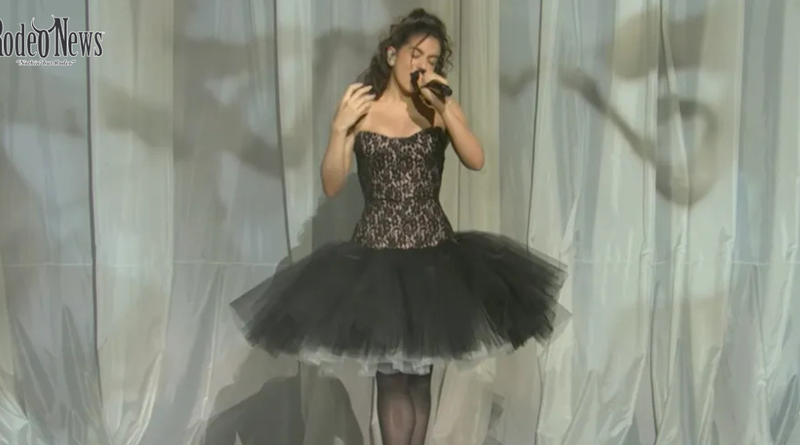
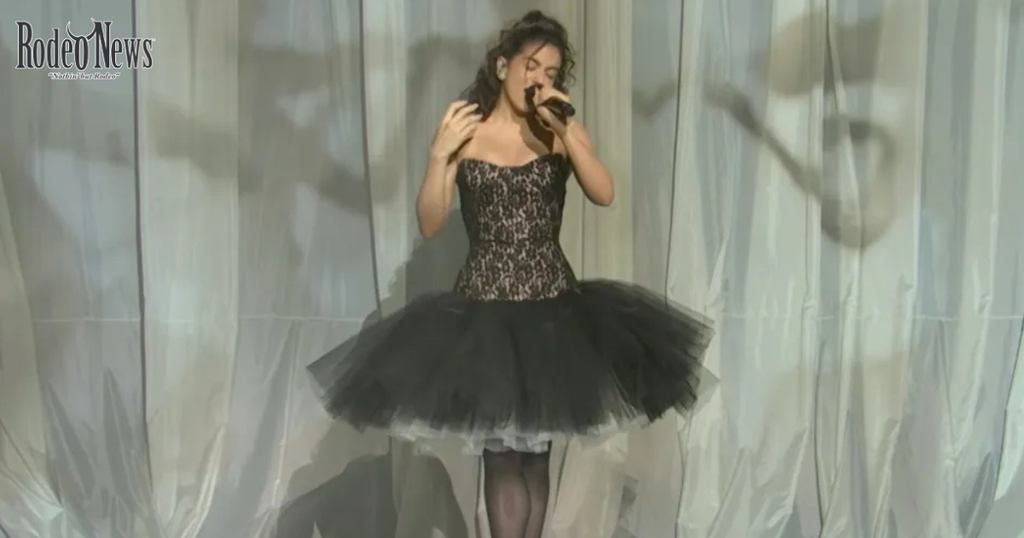
Rosalía opened her musical appearance with “Reliquia,” presenting the song through a ballet-inspired performance that placed movement and visual composition at the center of the experience.
Wearing a dark, ballet-inspired outfit, she performed in front of a flowing curtain illuminated by shadows resembling orchestral musicians. The staging created an atmosphere that felt closer to a theatrical production than a conventional television concert.
One of the most distinctive elements was Rosalía’s use of pointe technique. She remained en pointe for nearly the entire performance, creating an image of physical control and deliberate restraint.
The choice complemented the song’s presentation. Instead of filling the stage with constant movement, the performance relied on precision, posture, and carefully considered visual details.
According to contemporary music coverage, Rosalía had trained with a professional ballerina in preparation for the choreography associated with her Lux tour. That preparation was evident in the demanding physical approach she brought to the television stage.
The performance also demonstrated how a familiar television format can accommodate a more theatrical musical vision. The curtain, projected shadows, costume, and choreography worked together to establish a cohesive aesthetic without distracting from the song itself.
For viewers familiar with Rosalía’s earlier work, the appearance offered another example of her willingness to experiment with how her music is presented live.
Why “Reliquia” Was a Standout Moment
The “Reliquia” performance stood out because it combined vocal delivery with a demanding physical concept.
Ballet pointe work requires balance, strength, technique, and substantial preparation. Maintaining that position while performing a song adds another layer of difficulty, particularly under studio lighting and live television conditions.
Rosalía’s staging also made restraint part of the performance. By minimizing unnecessary movement, she directed attention toward the relationship between the music, her posture, and the shadows behind her.
The result offered a visual contrast to many mainstream pop performances, which frequently emphasize rapid choreography, elaborate stage changes, or multiple dancers.
Instead, the singer built the moment around a single central figure and a carefully controlled environment.
That approach fits the broader artistic direction associated with Lux, an album that moves beyond a straightforward pop framework and incorporates classical and orchestral elements. Its multilingual approach also reflects Rosalía’s interest in exploring different musical traditions.
The television performance did not need to explain those ambitions directly. The staging provided a visual introduction to the album’s atmosphere, allowing viewers to experience its artistic identity through movement and sound.
Rosalía Returns With “Magnolias” in a Rain-Soaked Finale
For her second performance, Rosalía shifted the mood dramatically with “Magnolias,” the closing track from Lux.
The staging was darker and more atmospheric than the first number. Wearing a sheer gown, the singer performed under subdued lighting before rain began falling on her during the song.
The water transformed the stage into a striking visual environment. As the performance continued, Rosalía remained at the center of the scene, bringing the song to its conclusion beneath the falling rain.
The contrast with “Reliquia” was central to the impact of the two-song set. Where the opening performance emphasized ballet-inspired precision and controlled movement, “Magnolias” created a more exposed, cinematic atmosphere.
The rain also served as more than a decorative effect. It changed the appearance of the stage and costume, making the closing moments feel distinct from the first performance.
Such staging requires careful technical coordination, particularly in a live television studio. Lighting, sound, water effects, camera positioning, and performer safety all have to be considered to deliver the intended result.
For viewers, however, the effect was immediate: Rosalía had created two separate visual worlds within a single musical appearance.
How “Magnolias” Completes the Story of Lux
As the closing track of Lux, “Magnolias” occupies a distinctive position in the album’s sequence. Performing it after “Reliquia” allowed Rosalía to bring the television audience from one carefully constructed atmosphere into another.
The decision also emphasized the value of presenting songs as part of a larger artistic project rather than treating them as unrelated singles.
The first performance introduced the album through ballet-inspired imagery and orchestral shadows. The second leaned into darkness, water, and a more dramatic visual setting.
Together, the numbers created a compact presentation of the album’s theatrical sensibility.
Rosalía has established a reputation for treating live performances as opportunities to reinterpret her recorded music. Costume, choreography, lighting, and stage design often contribute to the overall concept rather than serving merely as background decoration.
The SNL appearance continued that approach, using the constraints of a television performance to create two visually distinctive moments.
It also gave viewers who may not have heard the complete album an opportunity to encounter two songs in contrasting contexts.
What Makes Rosalía’s Lux Era Different?
Lux is Rosalía’s fourth studio album and was released in 2025. The project drew attention for its expansive musical direction, incorporating classical influences and a multilingual vocal approach.
Contemporary reporting described the album as recorded in 13 languages, highlighting the range of traditions and sounds represented in the project. Its chart performance also demonstrated that the artist’s experimental approach could connect with a broad audience.
The album entered the Billboard 200 at No. 4 and reached No. 1 on several Billboard genre charts, including Top Latin Albums, Classical Albums, Classical Crossover Albums, and World Albums, according to reports published around its release.
Those results illustrate how the project crossed boundaries between established categories. Although Rosalía is widely associated with contemporary Latin pop and flamenco-influenced experimentation, Lux engages with a wider range of musical styles.
The SNL performances made that ambition visible. Rather than presenting the songs as conventional pop numbers, Rosalía emphasized choreography, theatrical imagery, and atmosphere.
The approach also reflects a wider trend in live music, in which artists increasingly build distinctive visual identities around album cycles. A performance can function as both a musical presentation and a carefully designed introduction to the themes of a larger project.
Rosalía’s Return to Saturday Night Live
Rosalía’s October 2026 appearance continued her relationship with Saturday Night Live.
She first appeared on the show in 2021 as a guest during Bad Bunny’s episode, when the pair performed “La Noche de Anoche.” She subsequently made her solo musical-guest debut in 2022, performing “Chicken Teriyaki” and “La Noche de Anoche.”
Her latest appearance therefore represented another opportunity to introduce her music to the show’s audience.
The program’s combination of live music, comedy, and celebrity appearances makes it a high-profile platform for artists promoting new work. Musical guests can reach viewers beyond their established fan communities, while the broadcast gives performers an opportunity to create moments that circulate online after the episode ends.
For Rosalía, the Lux performances offered an especially clear visual concept. The ballet-inspired presentation of “Reliquia” and the rain-filled finale of “Magnolias” gave each song a distinctive identity that could be recognized even outside the full broadcast.
The episode was hosted by Shane Gillis and also featured Rosalía in a comedic sketch. Her appearance in the program’s promotional material had previously included a joke about a multilingual album combining pop and classical music, a concept she responded to by pointing out that she had already made Lux.
That moment reinforced the album’s unusual creative direction while introducing a lighter side of the singer’s television appearance.
How Rosalía Balances Performance Art and Pop Music
Rosalía’s latest television appearance demonstrates how pop performance can draw from theatrical and classical traditions without abandoning the accessibility of a mainstream music program.
The two songs approached that balance differently. “Reliquia” used ballet-inspired movement and carefully composed imagery to create a sense of discipline and control. “Magnolias” relied on a dramatic environmental effect to shape its emotional atmosphere.
Neither presentation depended solely on spectacle. Instead, the visual elements were organized around the identity of each song.
This distinction matters because elaborate production can easily overwhelm the music if it lacks a clear artistic purpose. When staging and sound reinforce each other, the performance can communicate a more unified idea.
Rosalía’s work has frequently attracted attention for its blending of styles and willingness to challenge conventional genre boundaries. The SNL set translated that approach into a format designed for a broad television audience.
It also highlighted the practical demands of such performances. Ballet choreography requires specialized physical preparation, while a rain effect introduces additional technical considerations for performers and production teams.
The resulting set offered two different demonstrations of performance design, united by the same album and artist.
Why the Rosalía SNL Performance Is Worth Watching
For fans of Rosalía, the appearance provided an opportunity to see two Lux tracks reimagined for live television. For casual viewers, it offered a concise introduction to the album’s visual and musical direction.
The opening number was notable for its ballet-inspired choreography and restrained stage design. The closing performance created a contrasting image through subdued lighting and falling rain.
Together, the songs demonstrated how an artist can use staging to give different tracks their own identities while maintaining a consistent creative vision.
The performances also reinforced Rosalía’s status as an artist willing to take creative risks in high-profile settings. Rather than relying on a familiar concert formula, she used the television stage to build a distinctive atmosphere around each song.
That willingness to experiment is an important part of what makes her live appearances compelling. The music remains central, but the visual presentation helps audiences understand the broader concept behind the work.
Final Thoughts: Rosalía Makes a Memorable SNL Appearance
Rosalía’s Saturday Night Live appearance on October 10, 2026, delivered two contrasting performances that highlighted the theatrical character of Lux.
“Reliquia” opened the set with ballet-inspired choreography, pointe technique, and shadows of orchestral musicians. “Magnolias” followed with a darker presentation that culminated in rain falling over the singer.
The two performances demonstrated different ways to connect music with movement, lighting, costume, and atmosphere. They also provided a glimpse into the artistic approach that distinguishes Lux from a conventional pop release.
With the album’s multilingual approach and blend of classical and contemporary influences, Rosalía continues to explore new ways of presenting her music to international audiences.
Her latest SNL appearance offered a memorable showcase of that ambition, giving each song its own visual identity while bringing the album’s wider creative world to the television stage.