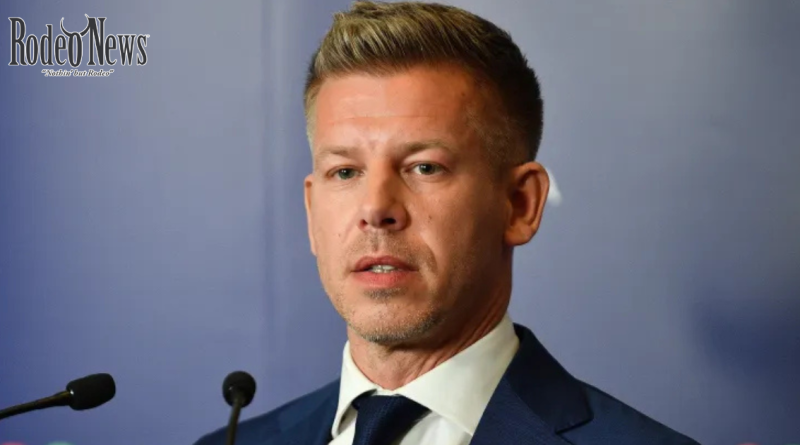
Peter Magyar Revealed: 7 Facts Behind Hungary’s New Leader
The rise of Peter Magyar marks a dramatic turning point in Hungary’s political landscape. After defeating long-time Prime Minister Viktor Orbán in the 2026 election, Magyar has emerged as a powerful new figure promising reform, transparency, and a reset in Hungary’s relationship with Europe.
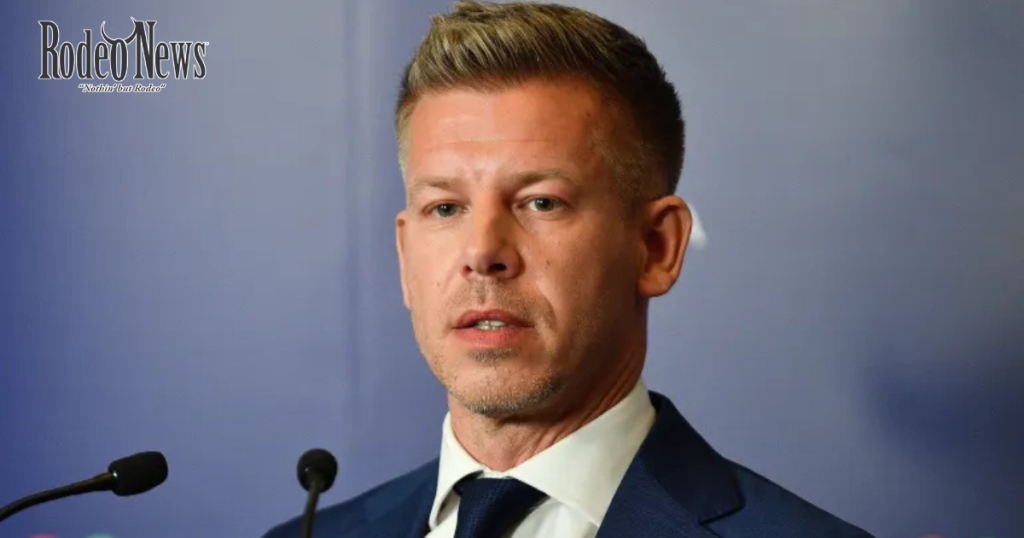
His victory ends more than a decade and a half of Orbán’s dominance, signaling not just a leadership change but a potential shift in Hungary’s political direction. But who exactly is Peter Magyar, and how did he rise so quickly to power?
Who Is Peter Magyar?
Peter Magyar is a Hungarian lawyer, politician, and former insider of the ruling establishment who transformed into a leading opposition figure almost overnight. Born in Budapest in 1981, he built his early career in law and international business before entering politics.
Before his political breakthrough, Magyar was closely associated with Orbán’s governing party, Fidesz. However, his dramatic departure from the establishment in 2024 reshaped Hungary’s opposition landscape and propelled him into the spotlight.
Today, he leads the Tisza Party and is set to become Hungary’s next prime minister after a historic electoral victory.
1. From Insider to Orbán’s Biggest Rival
One of the most striking aspects of Peter Magyar’s story is his transformation from insider to critic.
For years, he operated within Hungary’s political system and maintained close ties to the ruling elite. However, a major political scandal in 2024—linked to a controversial presidential pardon—triggered his public break from the government.
Magyar openly accused the administration of corruption and misuse of power, positioning himself as a whistleblower rather than a traditional opposition politician.
This shift gave him credibility among voters who were disillusioned with both the government and existing opposition parties.
2. The Rapid Rise of the Tisza Party
After leaving Fidesz, Magyar wasted little time building his own political movement.
He took over and rebranded the relatively unknown Tisza Party, transforming it into a major political force within months. By the 2024 European elections, the party had already secured significant support, signaling a major shift in Hungarian politics.
By 2026, the Tisza Party achieved a decisive victory, securing a strong parliamentary mandate and ending Orbán’s 16-year rule.
3. A Campaign Built on Anti-Corruption
At the heart of Magyar’s campaign was a clear message: clean governance.
He focused heavily on allegations of corruption, cronyism, and centralized power under the previous administration. His message resonated with voters frustrated by economic challenges and governance concerns.
Rather than relying solely on ideology, Magyar positioned himself as a reformer determined to restore transparency and accountability in public life.
4. A “Critical Pro-European” Vision
Unlike his predecessor, Peter Magyar advocates a more constructive relationship with the European Union.
While maintaining some conservative positions, he has expressed support for stronger EU cooperation and aims to restore access to frozen EU funds by addressing rule-of-law concerns.
At the same time, he has described himself as a “critical” pro-European—suggesting he supports integration but with a focus on national interests.
This balanced stance has helped him appeal to both moderate conservatives and pro-EU voters.
5. A Broad Coalition of Support
Magyar’s success was not driven by a single political group.
Instead, he built a broad coalition that included:
- Disillusioned conservative voters
- Young urban voters
- Opposition supporters across the political spectrum
His campaign tapped into widespread frustration with the status quo, turning the election into a referendum on Orbán’s leadership.
This wide appeal was key to his decisive victory.
6. A Modern, Media-Savvy Leader
Another factor behind Magyar’s rise is his effective use of media and communication.
He gained early attention through viral interviews and strong social media engagement, particularly on platforms like Facebook and YouTube.
His casual style and direct messaging helped him connect with younger voters and present himself as a relatable alternative to traditional politicians.
7. Challenges Ahead for Hungary’s New Leader
Despite his victory, Peter Magyar faces significant challenges.
Hungary’s political system has been shaped by years of centralized control, meaning reforms could take time and face resistance. Analysts also note that many of his policy details remain unclear, particularly in areas such as foreign policy and economic strategy.
Key challenges include:
- Restoring democratic institutions
- Tackling corruption effectively
- Rebuilding relations with the EU
- Managing economic expectations
The success of his leadership will depend on how he navigates these complex issues.
What His Victory Means for Hungary and Europe
The election of Peter Magyar represents more than just a national political shift—it has broader implications for Europe.
Orbán had been one of the European Union’s most controversial leaders, often clashing with Brussels over democratic standards and foreign policy. Magyar’s leadership could signal a thaw in those tensions and a renewed alignment with European institutions.
At the same time, his rise reflects a wider trend: voters across Europe are increasingly willing to abandon long-standing political figures in favor of new alternatives promising reform.
Conclusion
Peter Magyar’s journey from political insider to Hungary’s new leader is one of the most remarkable political transformations in recent European history.
His victory over Viktor Orbán marks the end of an era and the beginning of a new chapter—one filled with both opportunity and uncertainty.
While his promises of transparency, reform, and European cooperation have energized voters, the real test lies ahead. Whether Magyar can deliver meaningful change will determine not only his legacy but also Hungary’s future direction in an increasingly complex global landscape.