OpenAI Trial Begins: A Defining Moment for AI
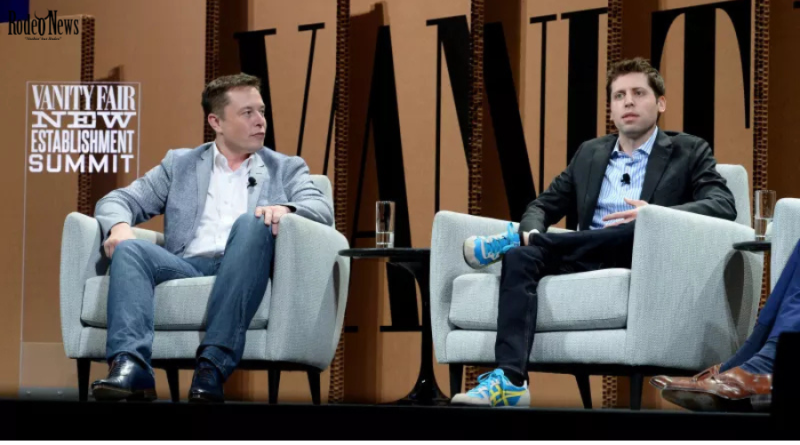
The OpenAI trial between Elon Musk and Sam Altman has officially begun, marking one of the most consequential legal battles in modern technology. Taking place in Oakland, California, the case is expected to reshape not only the future of OpenAI but also the broader direction of artificial intelligence governance worldwide.
At its core, the dispute centers on a fundamental question: Did OpenAI abandon its original mission to benefit humanity in favor of profit?
The answer could have far-reaching consequences for how AI companies operate, raise funds, and balance ethics with commercialization.
The Origins of OpenAI’s Mission
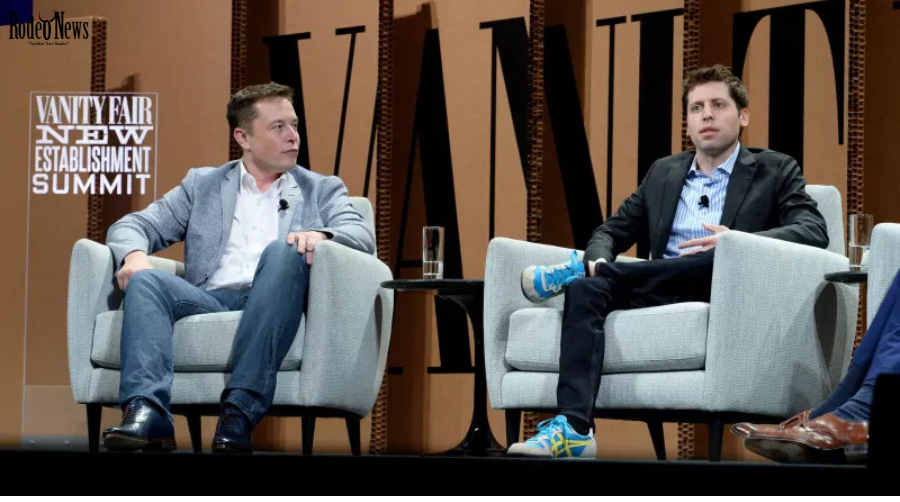
When OpenAI was founded in 2015, it was envisioned as a nonprofit research organization dedicated to ensuring artificial general intelligence benefits all of humanity. Both Musk and Altman were among its founding figures, alongside other prominent technologists.
The founding charter emphasized openness, collaboration, and safety. However, over time, OpenAI transitioned into a “capped-profit” model, allowing it to attract billions in investment—most notably from Microsoft.
This shift lies at the heart of the OpenAI trial.
Musk argues that the transformation violated the original agreement and betrayed the organization’s purpose. OpenAI, on the other hand, maintains that the change was necessary to remain competitive in a rapidly evolving AI landscape.
7 Shocking Facts About the OpenAI Trial
1. A Lawsuit Worth Over $100 Billion
The financial stakes in the OpenAI trial are staggering. Musk is seeking damages that could exceed $130 billion, making this one of the largest tech-related lawsuits in history.
However, Musk has also indicated that any awarded damages could be redirected to charitable causes, reinforcing his claim that the lawsuit is about principle rather than profit.
2. The Core Allegation: Betrayal of a Nonprofit Vision
Musk’s central claim is that OpenAI’s leadership deliberately shifted from a nonprofit mission to a profit-driven model. He alleges that this move enriched executives and partners while sidelining the original goal of open, safe AI development.
OpenAI strongly denies these accusations, arguing that Musk himself supported structural changes before leaving the company in 2018.
3. A Power Struggle Behind the Scenes
Court documents and testimonies reveal years of internal tension. According to reports, Musk previously sought greater control over OpenAI but stepped away after disagreements over leadership and direction.
OpenAI claims Musk’s lawsuit is partly motivated by competition, particularly with his own AI venture, xAI.
4. Tech Titans Take the Stand
The OpenAI trial is drawing some of the biggest names in Silicon Valley. Witnesses are expected to include:
- Elon Musk
- Sam Altman
- Satya Nadella
- Greg Brockman
Their testimonies could provide unprecedented insight into the inner workings of one of the world’s most influential AI companies.
5. A Battle Over AI’s “Soul”
Many observers describe the OpenAI trial as a philosophical battle over the “soul” of artificial intelligence.
Should AI development prioritize public benefit and transparency?
Or is commercialization necessary to fund innovation and compete globally?
This debate is central to the case and reflects broader tensions across the tech industry.
6. Potential Impact on a Trillion-Dollar Future
OpenAI is reportedly preparing for a potential IPO that could value the company at up to $1 trillion. The outcome of the trial could significantly influence investor confidence and regulatory scrutiny.
If Musk succeeds, the company could face structural changes, leadership shakeups, or new legal constraints.
7. Musk May Be the Underdog
Despite the high-profile nature of the case, legal experts suggest Musk faces an uphill battle. Some estimates place his chances of winning at around 40%.
Key challenges include proving that his contributions created enforceable obligations and that OpenAI’s restructuring violated legal agreements.
What Each Side Is Arguing
Musk’s Position
Musk argues that:
- OpenAI was founded as a nonprofit for public good
- The shift to a for-profit model breached that mission
- The company prioritized revenue and partnerships over transparency
- Leadership should be replaced to restore the original vision
He frames the case as a fight to protect humanity from unchecked AI commercialization.
OpenAI’s Defense
OpenAI counters that:
- The hybrid structure was necessary to secure funding
- Musk supported the shift before leaving
- His lawsuit is driven by competitive interests
- The company continues to prioritize safety and public benefit
Executives argue that without commercialization, OpenAI would not have been able to develop advanced systems like ChatGPT.
Why the OpenAI Trial Matters Globally
The implications of the OpenAI trial extend far beyond Silicon Valley.
1. Setting Legal Precedents
The case could establish new legal standards for:
- Nonprofit-to-for-profit transitions
- Governance of AI organizations
- Responsibilities tied to technological innovation
2. Shaping AI Regulation
Governments worldwide are closely watching the trial. Its outcome could influence future AI regulations, particularly around transparency, accountability, and public interest.
3. Redefining Tech Ethics
The trial raises fundamental ethical questions:
- Can profit-driven companies be trusted with powerful AI?
- Should AI development be regulated like public infrastructure?
- How do we balance innovation with safety?
These questions will likely shape the next decade of technological progress.
Internal Conflicts Come to Light
The OpenAI trial is also shedding light on internal disagreements within the company.
Leaked communications, personal notes, and testimonies reveal debates over ethics, funding, and long-term strategy. These insights provide a rare glimpse into how decisions were made during OpenAI’s transformation.
Such revelations could influence public perception and trust in AI companies moving forward.
A Turning Point for Silicon Valley
The courtroom battle between Musk and Altman represents more than a legal dispute—it symbolizes a broader clash of ideologies within the tech world.
On one side is Musk’s vision of open, safety-first AI.
On the other is OpenAI’s approach of scaling rapidly through investment and partnerships.
The outcome could redefine how startups evolve, how investors engage, and how innovation is governed.
What Happens Next?
The trial is expected to last several weeks, with multiple phases covering liability and potential remedies.
Possible outcomes include:
- Financial damages
- Leadership changes
- Structural reforms within OpenAI
- No major changes if OpenAI prevails
Regardless of the verdict, the OpenAI trial is already influencing conversations about AI governance worldwide.
Conclusion: A Landmark Case for the Future of AI
The OpenAI trial is not just a dispute between two tech leaders—it is a defining moment for artificial intelligence.
As Elon Musk and Sam Altman face off in court, the world is watching closely. The case will likely shape how AI is developed, funded, and regulated for years to come.
Whether it leads to reform or reinforces the current trajectory, one thing is certain: the future of AI is being decided in this courtroom.