Gulf States’ Iranian Strikes Damage: 5 Key Findings
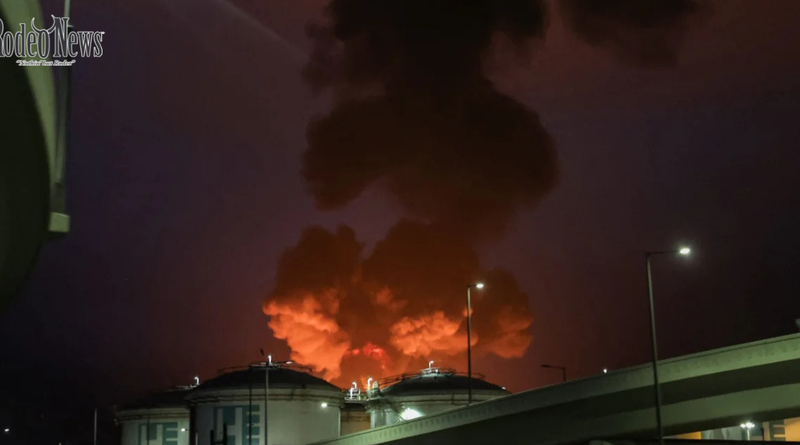
Gulf states Iranian strikes have become a major regional security concern after a Reuters investigation reported extensive damage to energy facilities, oil transportation systems and other critical infrastructure across the Arabian Gulf. The findings raise questions about the gap between official statements and the physical damage documented through satellite imagery, interviews and industry data.
The investigation, published on October 15, 2026, examined attacks attributed to Iran and allied groups during the conflict that followed the United States and Israel’s bombing campaign against Iran on February 28, 2026. According to Reuters, the strikes affected strategically important sites in several Gulf countries, disrupting operations and exposing vulnerabilities in infrastructure essential to regional economies.
The report also challenges repeated official explanations that some damage resulted from falling debris after air-defense interceptions. However, the full circumstances of individual incidents remain complex, and responsibility for specific attacks must be assessed using available evidence.
Gulf States Iranian Strikes: What the Reuters Investigation Found
Reuters reported that Iran and allied forces had carried out at least 135 drone and missile attacks against 84 critical infrastructure sites across the Gulf region since the conflict began.
The investigation covered facilities in Saudi Arabia, the United Arab Emirates, Qatar, Kuwait, Bahrain, Oman and Iraq. Targets included oil terminals, refineries, pipelines, airports, data centers and electricity infrastructure.
To establish the extent of the damage, Reuters interviewed 36 people familiar with the incidents and examined photographs, videos, satellite imagery, official statements and other data. The news agency also presented its findings to affected governments and facility operators before publication.
According to the investigation, some strikes hit components that were essential to the operation of much larger facilities. Damage to a relatively small piece of specialized equipment could therefore interrupt production, exports or electricity supply well beyond the immediate impact site.
These findings illustrate why infrastructure attacks can have consequences that extend far beyond the location where a missile or drone lands.
1. Fujairah Port Faced Repeated Attacks and Disruptions
The United Arab Emirates’ Fujairah port emerged as one of the most significant locations in the investigation.
Located outside the Strait of Hormuz, Fujairah serves as an important hub for oil storage, transportation and exports. Its location gives it particular strategic importance when shipping through the strait faces disruption.
Reuters reported that the port had been struck at least 19 times since the conflict began. The attacks damaged oil storage facilities and critical pipeline-transfer equipment, including systems used to move crude oil and refined petroleum products toward shipping terminals.
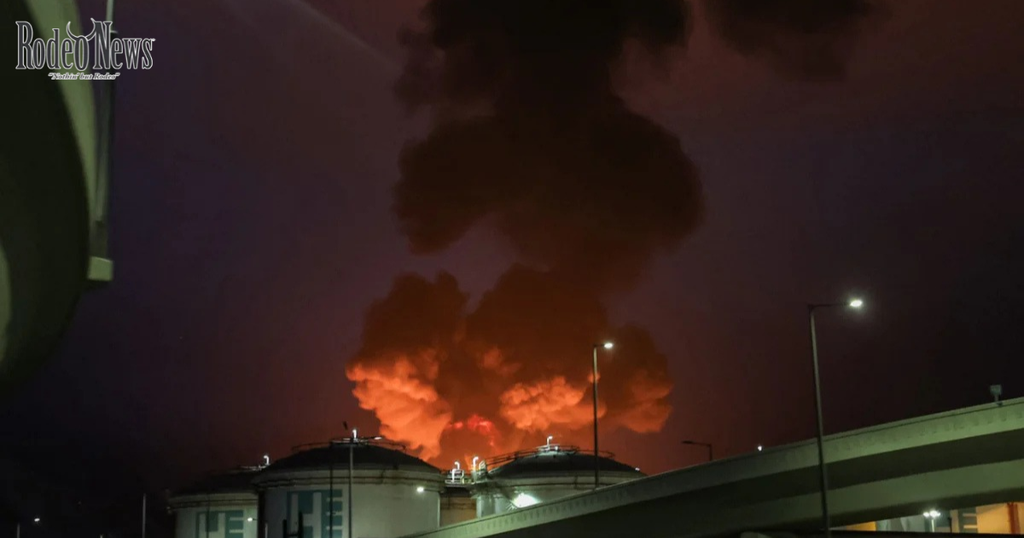
The first reported strike on March 3 caused oil storage tanks to burn. Subsequent attacks reportedly damaged a matrix manifold, a system connecting dozens of pipelines that carry petroleum products between storage terminals and shipping facilities.
Emirati authorities attributed some damage to debris from intercepted projectiles. However, Reuters’ review of satellite imagery and other evidence indicated that important equipment had been directly affected.
The consequences extended beyond the initial explosions. Additional attacks and repair work repeatedly disrupted port operations, while exports of refined petroleum products remained depressed for months, according to the investigation.
Fujairah’s experience demonstrates how repeated attacks can undermine the reliability of infrastructure even when operators manage to restore services after an initial incident.
It also highlights the strategic value of facilities that provide alternative routes for oil exports when other shipping corridors become inaccessible.
2. Qatar’s Ras Laffan Facility Faced a Major Energy Risk
Qatar’s Ras Laffan industrial complex is another important site examined by Reuters.
The facility is central to the country’s liquefied natural gas industry, which supplies international markets with gas used for electricity generation, heating and industrial production.
According to the investigation, strikes damaged specialized equipment known as cold boxes. These units are integral to the cooling process that converts natural gas into liquid form for transportation by specialized vessels.
Such equipment is difficult to replace quickly. Manufacturing, transporting and installing specialized industrial components can require substantial time, particularly during a period when regional security risks complicate logistics.
The damage therefore raises concerns about the resilience of LNG production and export capacity.
Qatar’s importance to international gas markets means prolonged disruption could affect buyers far beyond the Middle East. The actual consequences would depend on the duration of outages, available alternative supplies, inventories and demand conditions.
However, the episode reinforces a broader concern: energy security depends not only on the availability of natural resources but also on the integrity of the industrial systems required to process and deliver them.
For governments and energy companies, protecting specialized equipment is consequently as important as defending major visible structures.
3. Damage at the UAE’s Barakah Nuclear Plant Raised Safety Questions
The investigation also examined a reported strike on electrical infrastructure at the Barakah Nuclear Energy Plant in the UAE.
Reuters reported that a drone struck an electrical substation at the facility on May 17. According to information cited in the investigation, the incident forced one of the plant’s four operating reactors to switch to emergency diesel generators.
The incident drew attention because nuclear facilities rely on dependable electricity systems to maintain safe operating conditions.
The UAE said the drone was launched by armed factions in Iraq. Reuters also reported that officials familiar with the matter believed the attackers had detailed information about the plant’s layout and the location of the substation.
International Atomic Energy Agency Director General Rafael Grossi subsequently highlighted the apparent level of knowledge involved in the attack, according to Reuters’ reporting.
Nevertheless, damage to electrical infrastructure does not automatically mean that a nuclear reactor has suffered a loss of containment or released radioactive material.
The plant’s operator, Emirates Nuclear Energy Corporation, said its safety systems and established procedures responded as designed. It reported no injuries, radioactive releases or abnormal radiation levels.
These distinctions are essential when reporting on nuclear safety. The incident illustrates the vulnerability of supporting infrastructure, but claims about radiological consequences must be grounded in verified technical evidence.
The episode also raises wider questions about how countries can protect sensitive industrial and energy facilities from precision attacks.
4. Official Statements and Independent Evidence Did Not Always Match
One of the investigation’s central findings concerns the difference between government announcements and the damage identified through independent analysis.
Reuters found that regional authorities repeatedly attributed damage to falling debris from intercepted missiles or drones. The investigation identified at least 34 official statements in which governments emphasized this explanation.
However, imagery and assessments reviewed by Reuters suggested that some incidents involved direct impacts on critical equipment.
The distinction matters because the effectiveness of air defenses is often measured by their ability to prevent incoming weapons from reaching their intended targets. Even when an interceptor destroys a projectile, falling debris can still create hazards. But that explanation should not automatically be accepted without examining the evidence at each location.
Independent verification can help establish whether damage is consistent with an interception, a direct impact or another cause. Satellite imagery, photographs, industrial operating data and expert assessments can all contribute to that process.
There are also reasons why governments may limit the details they disclose during a conflict. Officials may seek to prevent adversaries from learning about vulnerabilities, avoid public alarm or protect sensitive military information.
Those considerations do not establish why any particular government made a specific statement. Nor do they independently prove deliberate concealment.
The evidence instead highlights the importance of transparency, careful attribution and independent reporting when public statements concern strategically sensitive infrastructure.
5. The Economic Consequences Extend Beyond the Battlefield
The damage described in the investigation carries implications for international energy markets, shipping companies and industrial supply chains.
Oil and gas infrastructure is highly interconnected. A disruption at a storage terminal, pipeline junction or processing facility can affect several stages of production and distribution.
For example, crude oil may remain available in the ground but become difficult to export if pumping equipment or loading systems are damaged. Similarly, a gas producer may have sufficient reserves but be unable to deliver supplies if specialized liquefaction equipment is unavailable.
The result can be a mismatch between available resources and the amount of energy reaching consumers.
Repeated attacks also create additional costs. Operators may need to suspend production, inspect facilities, replace damaged machinery, strengthen security and arrange alternative transportation. Insurance premiums and financing costs may rise when the perceived risk of operating in a region increases.
Consumers could face higher fuel or electricity costs if supply disruptions coincide with strong demand or limited alternative production. Nevertheless, price movements depend on many variables, including global inventories, shipping conditions, spare production capacity and expectations about how long the conflict will last.
The effects are not restricted to energy. Reuters also reported damage affecting airports, digital infrastructure and an aluminum smelter in the UAE.
Such incidents illustrate how modern economies depend on interconnected systems that may be vulnerable to relatively localized attacks. Disruption to one facility can affect businesses, workers and consumers in other countries.
Why Gulf Energy Infrastructure Matters to the World
The Gulf region occupies a central position in global energy production and transportation. Several of its countries are major oil or gas exporters, while ports, pipelines and processing facilities connect regional producers with customers across Asia, Europe and other markets.
The Strait of Hormuz is particularly important to international oil and gas shipments. Alternative routes and export terminals can help reduce dependence on the strait, but they cannot necessarily replace all of its capacity.
This makes facilities such as Fujairah strategically significant. Damage to infrastructure outside the strait can undermine the benefits of having alternative export routes available.
The same principle applies to natural gas. LNG facilities require specialized equipment, reliable power supplies, storage capacity and secure maritime transportation. A disruption at any critical stage can reduce the volume of gas reaching the international market.
The security challenge is therefore broader than intercepting incoming missiles and drones. Governments and operators must also consider redundancy, emergency power, spare components, repair capabilities and the ability to redirect shipments when a major site becomes unavailable.
These measures can reduce the duration and economic impact of future disruptions, although no protection system can eliminate every risk.
What the Findings Mean for Regional Security
The reported damage presents Gulf governments with several interconnected challenges.
First, authorities must protect critical infrastructure while maintaining public confidence in their ability to respond to attacks. Accurate and timely communication is important because conflicting accounts can create uncertainty for residents, investors and international partners.
Second, the incidents highlight the need for stronger coordination among countries that share energy networks, shipping routes and security concerns. A disruption in one state can affect transportation and supply chains throughout the region.
Third, the findings raise questions about the balance between military defense and infrastructure resilience. Air-defense systems remain important, but governments also need plans for maintaining essential services when attacks succeed or debris causes damage.
Finally, the investigation demonstrates the continuing importance of independent verification. Satellite imagery and industrial data can help journalists, researchers and international organizations evaluate official claims, although the available evidence may not resolve every question about responsibility or intent.
The findings should also be interpreted within the wider conflict. Attacks on infrastructure can create serious civilian and economic risks regardless of the strategic arguments offered by those responsible. Facilities providing electricity, water, energy and transportation are closely connected to the welfare of civilian populations.
Conclusion: Gulf States Face a Long-Term Infrastructure Challenge
The Reuters investigation provides a detailed account of how attacks attributed to Iran and allied groups affected critical infrastructure across the Gulf. Its findings identify damage to oil-export facilities, LNG equipment, electricity systems and other assets whose importance extends beyond national borders.
The reported incidents at Fujairah and Ras Laffan illustrate the economic consequences of damaging specialized equipment. The incident at Barakah highlights the importance of protecting supporting systems at sensitive facilities. Meanwhile, differences between official statements and independent assessments reinforce the need for transparent communication and evidence-based reporting.
The longer-term consequences will depend on the pace of repairs, the durability of any reduction in hostilities and the ability of governments and operators to strengthen infrastructure against future attacks.
For international energy markets, the central lesson is clear: the security of global supply depends not only on how much oil and gas countries produce, but also on whether the facilities transporting and processing those resources can continue to operate.
As the regional conflict evolves, the condition of Gulf infrastructure will remain an important indicator of economic resilience, energy security and the broader risks facing the international economy.