Germany Weighs Expansion of F‑35 Fleet as European Fighter Program Stalls
BERLIN/WASHINGTON — Germany is considering a significant expansion of its fleet of U.S.‑made Lockheed Martin F‑35 fighter jets, potentially signaling a major shift in European defense strategy as efforts to develop a next‑generation joint European aircraft falter, multiple sources told Reuters.
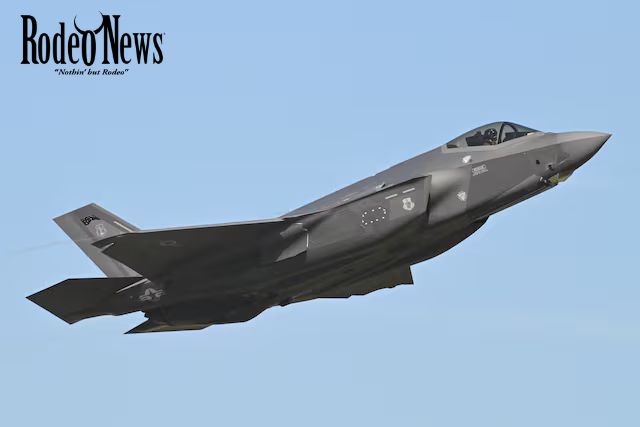
According to defense and government sources familiar with the discussions, German officials have held talks that could lead to the purchase of more than 35 additional F‑35 aircraft, adding to the 35 jets ordered in 2022 that are due to begin delivery later this year.
Strategic Shift Amid FCAS Deadlock
The potential move comes amid growing concerns over the Franco‑German‑Spanish Future Combat Air System (FCAS) program, an ambitious €100 billion effort launched in 2017 to develop a sixth‑generation fighter jet and wider combat system by 2040. The initiative has encountered persistent delays and industrial disagreements, prompting questions about its viability and Germany’s long‑term commitments.
German Chancellor Friedrich Merz has openly questioned whether pursuing a manned sixth‑generation fighter jet still aligns with Berlin’s defense needs, particularly given the escalating costs and shifting technological landscape. “Will we still need a manned fighter jet in 20 years’ time?” he asked in a podcast interview, reflecting broader doubts within German leadership.
An expanded F‑35 order — each jet costing over $80 million — would deepen Germany’s reliance on American military technology, a strategic pivot that underscores the challenges facing European defense autonomy.
Government Response and Industry Context
Despite media reports about ongoing discussions, the German government has pushed back against the notion of an imminent order, with an official spokesperson stating that “there are no plans, and there is no decision” to purchase additional F‑35s beyond the 35 already contracted.
A spokesman for Lockheed Martin, the U.S. defense contractor that manufactures the F‑35, likewise emphasized that the company remains focused on fulfilling existing German orders.
NATO and Nuclear Role Implications
Germany’s initial F‑35 procurement was driven by a strategic NATO requirement: the jets are among the few Western fighters certified to carry B61 nuclear bombs stored in Europe, a role previously filled by aging Tornado aircraft. An expanded F‑35 fleet would further align Germany’s air force capabilities with NATO’s nuclear sharing obligations and broader alliance interoperability.
Analysts say the discussions also reflect broader pressure on European allies from Washington to increase defense spending and enhance interoperability with U.S. military systems in the face of intensifying global security challenges.
Future of European Fighter Collaboration
If Germany ultimately moves forward with additional F‑35 purchases, it could widen the strategic divide within Europe over defense priorities. France has remained a staunch advocate for the FCAS program, emphasizing the importance of a European‑led industrial and technological base.
Some industry voices have proposed alternative approaches to FCAS — including splitting the program into separate fighter components or focusing on shared systems like combat drones and digital “combat cloud” networks — to salvage portions of the project despite the deadlock.
For now, Berlin’s deliberations over expanding its F‑35 fleet and the future of the FCAS initiative highlight the evolving dynamics of European defense policy, where long‑standing ambitions for strategic autonomy are weighed against immediate operational needs and alliance obligations.