
False Albacore Fishing Signals the Start of Fall on Long Island
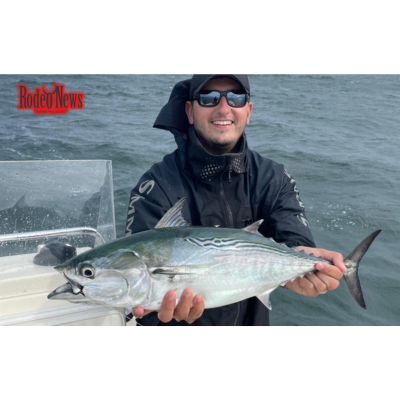
False albacore fishing is officially heating up around Long Island as huge schools of fast-moving albies invade East End waters, giving anglers one of the region’s most anticipated fall fisheries.
The arrival of false albacore comes alongside a strong showing of yellowfin tuna south of Shinnecock and Montauk. While the yellowfin are attracting offshore anglers, enormous schools of false albacore are creating explosive surface action that is especially appealing to light-tackle fishermen.
According to a Sept. 16 report from The Suffolk Times, boats fishing the inshore tuna grounds are finding yellowfin generally weighing between 15 and 40 pounds. At the same time, false albacore have arrived in even greater numbers, sometimes taking over large stretches of the ocean surface as they aggressively chase bait.
The result is an unusual early-fall fishing picture. The water still has some of the feel of summer, but the fish are already signaling that the seasonal transition has begun.
False Albacore Fishing Explodes as Albies Chase Bait
False albacore, commonly called “albies,” are among the most exciting fish for inshore anglers because of their speed, aggressive feeding behavior and powerful runs.
When schools begin blitzing on the surface, the action can change quickly. Large groups of fish can suddenly appear, feed aggressively and disappear just as fast.
That is exactly what anglers are now seeing off Long Island.
The Suffolk Times reports that an especially large body of false albacore has moved into the same waters occupied by yellowfin tuna. In some areas, acres of surface-feeding albies have made it difficult for fishermen targeting tuna to get smaller lures through the false albacore and down to the yellowfin underneath.
For anglers specifically interested in false albacore fishing, however, that problem becomes an opportunity.
More fish means more chances to locate feeding schools. And because the albies have only recently arrived, they are reportedly not yet extremely selective about what they attack.
That could make the opening phase of the fall run particularly productive.
Why the Yellowfin Tuna Are Still a Major Attraction
While false albacore are stealing much of the surface action, yellowfin tuna remain the primary target for many anglers fishing south of Montauk and Shinnecock.
The yellowfin currently being caught in the area are generally running from about 15 to 40 pounds. Boats are reporting plenty of activity, with the fish feeding heavily on sand eels.
However, the tuna have not consistently established themselves behind the draggers, meaning their behavior and location can still change.
That creates an interesting challenge for anglers.
The same bait that attracts yellowfin can also bring in false albacore. Because the albies are currently more numerous in some areas, smaller lures intended for tuna can be intercepted before reaching the fish underneath.
As a result, fishermen are adjusting their approach.
Larger Lures Become an Important Strategy
One of the most notable changes in the current fishery is the move toward larger presentations.
Small epoxy jigs and smaller RonZ-style lures have become less effective when anglers are trying specifically to reach yellowfin. The reason is simple: false albacore are often getting to those offerings first.
Anglers are therefore turning to larger lures, including full-size RonZ presentations and heavier Streaker jigs.
The larger offerings do not eliminate false albacore encounters. These fish are aggressive feeders, and there is no practical way to avoid every albie when large schools are present.
Still, larger presentations can improve an angler’s odds of getting a lure past some of the smaller fish and connecting with a yellowfin.
For fishermen whose primary objective is false albacore fishing, the equation is different.
Smaller presentations can be highly effective when the goal is simply to provoke an aggressive albie strike.
The Best Part of False Albacore Fishing May Be Just Beginning
The current conditions could make the coming weeks particularly interesting for anglers.
The false albacore have only recently begun moving into the area in significant numbers. Waves of fish are making their way inshore, although their numbers are still greater offshore.
That means anglers willing to search for the right conditions may have opportunities to find schools moving closer to shore as fall progresses.
The Suffolk Times identifies areas such as Truman’s Beach and waters north of Plum Island as places worth watching in the coming weeks for anglers targeting these fast-moving fish.
Because albies can cover substantial distances while feeding, locating them is often just as important as choosing the right lure.
An angler may see relatively quiet water one moment and then encounter a large surface blitz shortly afterward.
That unpredictability is part of what makes albie fishing so popular.
Why Albies Are So Popular With Light-Tackle Anglers
False albacore do not need to be enormous to provide a memorable fight.
Their speed is their greatest weapon.
Once hooked, an albie can make long, powerful runs that quickly test an angler’s tackle and reaction time. Their aggressive feeding also makes surface activity especially exciting to watch.
For light-tackle fishermen, that combination creates a unique experience.
Unlike some larger offshore species that require heavy equipment, false albacore can provide serious action on relatively lighter gear when conditions and tackle are properly matched.
Their reputation explains why their arrival is viewed as one of the most anticipated moments of the Long Island fall fishing season.
The current abundance could therefore be good news for recreational anglers even if it makes life more difficult for fishermen specifically targeting yellowfin.
What Happened to the Summer Bluefin?
The arrival of huge numbers of false albacore may also help explain another noticeable change in the local fishery: the disappearance of the school-sized bluefin tuna that dominated the inshore grounds during much of the summer.
Those smaller bluefin provided consistent action south of Montauk and Shinnecock from early July through the end of August.
Now, however, they appear to have largely moved away from those eastern inshore grounds.
One possible factor is the movement of their preferred bait.
Squid and sand eels that helped sustain the bluefin action have either moved closer to shore or shifted toward the Canyon. That change in the bait supply may have contributed to the disappearance of the bluefin from areas where anglers had been finding them throughout the summer.
The sudden dominance of false albacore adds another layer to the changing ecosystem.
Striped Bass Are Starting to Arrive
The fall transition is not being defined by false albacore alone.
Striped bass are also beginning to appear in local waters, although the fall striper migration remains in its early stages.
Water temperatures are still relatively close to August levels, and that has prevented a major fall striper bite from developing so far.
That could change as the weather cools.
A few colder nights combined with the arrival of additional fall bait should encourage more striped bass to move into the area. For now, however, anglers should not expect the full fall striper migration to be underway yet.
This is another sign that the region is caught between two seasons.
The calendar says fall, but the water has not completely caught up.
The fish, however, are already responding to changing bait patterns.
Bottom Fishing Remains Strong
Anglers looking beyond tuna and albies also have plenty of options.
Bottom fishing remains productive farther east, with a late wave of fluke moving onto grounds around Montauk and Block Island.
The fluke season had appeared to be slowing down only a few weeks ago, but the latest movement of fish has extended the opportunity for anglers targeting them.
Sea bass fishing is also improving across the region.
According to the report, anglers are finding more quality sea bass, while fewer smaller fish are competing for bait. The sea bass bag limit has also increased to six fish per person, making dedicated trips for the species more attractive.
That gives local fishermen several choices as fall gets underway.
Those interested in surface action can pursue albies. Tuna anglers can continue searching for yellowfin. Others can target striped bass, fluke or sea bass depending on conditions.
Fall Fishing Is Arriving Before the Weather Changes
Perhaps the most interesting aspect of the current fishery is the contrast between the water and the fish.
The water still feels more like summer than fall. Yet the arrival of false albacore, the first striped bass and changing bait patterns are already signaling the seasonal transition.
That transition is important because fall can bring some of the most exciting fishing of the year to Long Island.
As temperatures decline, baitfish movements typically change. Predator species respond by following those concentrations of food.
For anglers, that can mean rapidly changing opportunities.
A location that produces one species this week may produce another as the migration progresses.
The current abundance of bait is particularly encouraging.
What Anglers Should Watch in the Coming Weeks
For anyone planning false albacore fishing trips, the next several weeks could be worth watching closely.
The current schools are already providing substantial action, but the fish are expected to continue moving closer to shore.
Areas around Truman’s Beach and north of Plum Island have been identified as places to watch as the inshore albie run develops.
Anglers should also pay attention to surface activity.
When false albacore are actively feeding, birds, bait and breaking fish can reveal their location. Once a school is found, quick presentations can be critical because these fish are capable of moving rapidly across an area.
At this stage of the run, the fish are reportedly willing to strike epoxy jigs and albie snacks.
That could change as fishing pressure increases and the fish become more selective.
For now, however, the conditions appear favorable.
Long Island’s Fall Fishing Season Is Officially Underway
The arrival of massive false albacore schools has given Long Island anglers an unmistakable signal: fall fishing is here.
Yellowfin tuna remain the main attraction south of Montauk and Shinnecock, with fish in the 15-to-40-pound range providing plenty of offshore excitement.
But the explosive presence of albies is arguably the biggest development for inshore fishermen.
Their speed, aggression and willingness to attack lures make them one of the region’s most popular fall targets.
The disappearance of school-sized bluefin, the first appearance of striped bass and the continued strength of fluke and sea bass are all part of the same larger seasonal shift.
For now, anglers are working with a unique mix of summer and fall conditions.
The water has not completely cooled, but the fish are already moving.
And for those waiting all year for false albacore fishing, that may be the best news of all.
The fall albie invasion has arrived—and if bait remains plentiful, Long Island’s waters could offer plenty more explosive fishing in the weeks ahead.