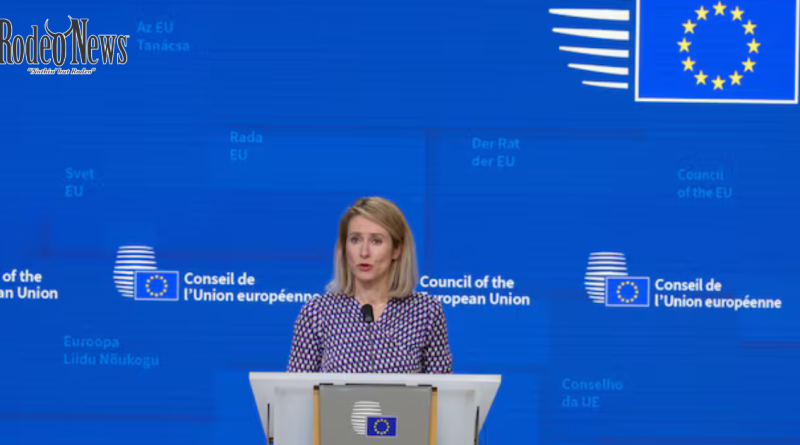
EU Pushes for Diplomatic Solution to Strait of Hormuz Crisis as Tensions Escalate
The European Union is intensifying diplomatic efforts to defuse mounting tensions around the Strait of Hormuz, warning that further escalation could trigger far-reaching global consequences, from energy shocks to disruptions in food supply chains.
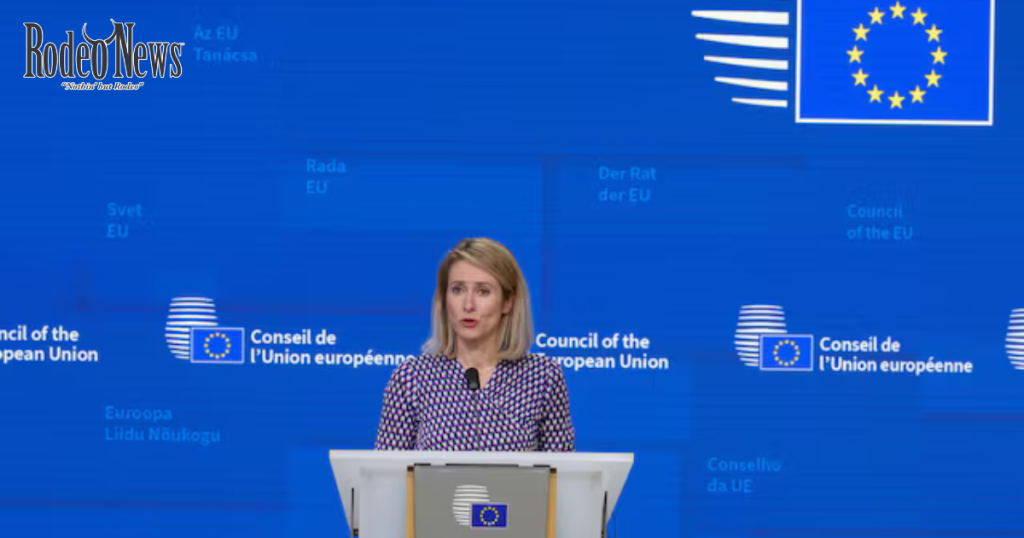
EU foreign policy chief Kaja Kallas said on Tuesday that the bloc sees diplomacy—not military intervention—as the only viable path to ensure the continued flow of trade through one of the world’s most critical maritime chokepoints. Her remarks come as the region faces growing instability linked to the ongoing conflict involving Iran, the United States, and Israel.
The Strait of Hormuz, a narrow passage connecting the Persian Gulf to global shipping lanes, carries roughly a fifth of the world’s oil and significant volumes of liquefied natural gas. Its disruption has already rattled global markets and raised fears of a broader economic fallout.
Kallas emphasized that any closure or prolonged instability in the strait would not only impact energy supplies but could also ripple through global systems, affecting food and fertilizer distribution.
“Wars ultimately end through diplomacy,” Kallas has repeatedly stressed in recent days, signaling the EU’s reluctance to be drawn into a widening military confrontation.
Reluctance to Escalate Militarily
The EU’s position stands in contrast to calls from Washington for allied nations to deploy naval forces to secure the strait. U.S. President Donald Trump has urged partners to contribute to safeguarding shipping routes, particularly as Iran has used drones, missiles, and naval mines to disrupt traffic in the area.
However, European leaders have shown little appetite for expanding military involvement. Discussions among EU foreign ministers this week made clear that the bloc is not prepared to extend its existing naval missions to the Strait of Hormuz.
The EU’s current maritime operation, known as Aspides, was established to protect vessels in the Red Sea from attacks linked to Yemen’s Houthi movement. While there have been conversations about strengthening the mission, officials have stopped short of broadening its mandate to cover the Persian Gulf.
Behind this caution lies a broader concern: that deeper military engagement could entangle Europe in a conflict it neither initiated nor controls. Several European governments have openly resisted pressure to join any combat-oriented mission, arguing that the risks outweigh potential gains.
A Diplomatic Blueprint
Instead of military action, the EU is exploring diplomatic frameworks that could guarantee safe passage through the strait without escalating hostilities.
One proposal under discussion draws inspiration from the Black Sea grain deal brokered during the Ukraine war. That agreement allowed agricultural exports to continue despite active conflict, offering a potential model for maintaining maritime traffic under international oversight.
Kallas has already raised the idea with United Nations Secretary-General António Guterres, suggesting a coordinated international mechanism to protect commercial shipping while avoiding direct confrontation with Iranian forces.
At the same time, the EU is engaging regional actors—including Gulf states, Jordan, and Egypt—in an effort to build consensus around a diplomatic solution that could de-escalate tensions while preserving economic stability.
Global Stakes Rising
The urgency of these diplomatic efforts reflects the growing economic stakes. Disruptions in the Strait of Hormuz have historically led to sharp increases in oil prices, and recent developments are no exception.
Markets have already shown signs of volatility, with energy prices climbing amid fears of prolonged instability. Analysts warn that a sustained blockage could push shipping routes to detour around Africa, significantly increasing costs and delivery times for global trade.
Beyond energy, the impact could extend to food security. Fertilizer exports, many of which rely on Gulf transit routes, are particularly vulnerable—raising concerns about agricultural production in regions far removed from the conflict zone.
European officials say these cascading risks underscore the need for immediate diplomatic intervention.
Balancing Pressure and Prudence
Despite calls for stronger action, the EU is walking a careful line between responding to allied pressure and maintaining its strategic autonomy.
Leaders across the bloc have made clear that while they recognize the importance of keeping the strait open, they are unwilling to commit to a military strategy without clear objectives and international backing.
This cautious approach reflects both political realities and public sentiment within Europe, where there is little support for entering another Middle Eastern conflict.
Instead, the EU is positioning itself as a mediator—seeking to leverage diplomacy to prevent further escalation while protecting global economic interests.
A Narrow Window
With tensions still rising and no immediate resolution in sight, the window for diplomacy may be narrowing.
Officials warn that miscalculations in the region could quickly spiral into a broader conflict, further destabilizing global markets and undermining already fragile supply chains.
For now, the EU’s message remains consistent: the Strait of Hormuz must remain open, but the path to ensuring that lies not in warships, but in negotiation.
As Kallas put it, the stakes extend far beyond the region itself—making diplomacy not just preferable, but essential.