China–Iran Talks Revealed: 5 Key Diplomatic Signals
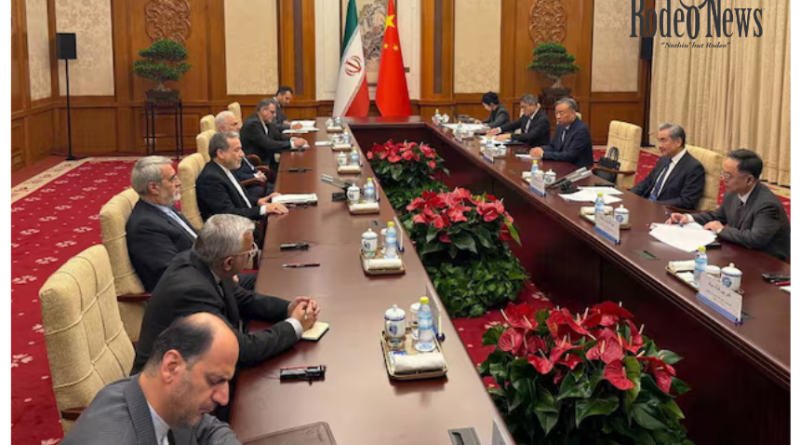
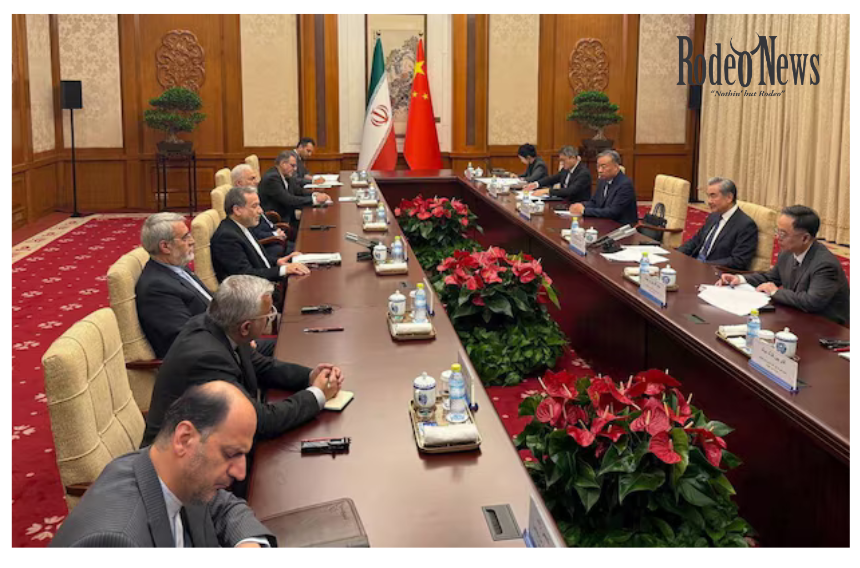
The China Iran talks 2026 have drawn global attention as Beijing hosted Iran’s top diplomat in a high-stakes meeting that could influence geopolitical stability, energy markets, and ongoing negotiations with the United States. The meeting between Wang Yi and Abbas Araghchi in Beijing signals a critical moment in international diplomacy.
Held just days before a planned summit between Donald Trump and Xi Jinping, the discussions highlight China’s growing role as a mediator in global conflicts. Meanwhile, tensions in the Strait of Hormuz and ongoing US-Iran negotiations add urgency to these talks.
China Iran Talks 2026: A Strategic Diplomatic Move
The meeting underscores strengthening ties between China and Iran at a time of global uncertainty. According to reports, Araghchi’s visit marks his first trip to China since the outbreak of a major conflict involving Iran, which triggered a severe global oil supply shock.
China, as the world’s largest crude importer, has a strong interest in maintaining energy stability. Therefore, its diplomatic engagement with Iran is both strategic and economic.
During the meeting, Iran emphasized its dual approach—remaining prepared for defense while continuing diplomatic negotiations. This balanced stance reflects Tehran’s attempt to secure favorable outcomes in ongoing talks with the United States.
Rising Stakes Around the Strait of Hormuz
One of the central issues discussed in the China Iran talks 2026 is the situation in the Strait of Hormuz. This narrow waterway is crucial for global oil shipments, and its disruption has already sent shockwaves through international markets.
China urged all parties to ensure safe passage through the strait and to prioritize diplomatic solutions over military escalation.
At the same time, the United States has reportedly asked China to play a constructive role in resolving tensions in the region. This reflects Beijing’s increasing influence as a global power capable of shaping outcomes in critical conflicts.
Meanwhile, reports suggest that negotiations between the US and Iran are progressing toward a potential agreement that could reopen the strait and stabilize oil flows.
China’s Expanding Role in Global Diplomacy
China’s involvement in the China Iran talks 2026 highlights its broader ambition to position itself as a global diplomatic leader. While traditionally cautious in foreign conflicts, Beijing has increasingly stepped into mediation roles.
Analysts note that China’s economic leverage—particularly its position as Iran’s largest oil buyer—gives it unique influence.
Moreover, China has previously demonstrated its ability to broker agreements in the Middle East. Its diplomatic efforts now aim to prevent further escalation and promote stability in a region critical to global energy supplies.
During the meeting, Chinese officials called for a ceasefire and emphasized the importance of dialogue. This approach aligns with Beijing’s long-standing principle of resolving disputes through negotiation rather than force.
Timing Ahead of Trump–Xi Summit
The timing of the China Iran talks 2026 is particularly significant. The meeting comes just one week before a high-profile summit between Donald Trump and Xi Jinping in Beijing.
This upcoming summit is expected to address several key issues, including the Iran conflict, global trade, and security concerns in the Asia-Pacific region.
By engaging directly with Iran ahead of the summit, China may be positioning itself as a key intermediary. This could enhance its diplomatic standing and provide leverage in discussions with the United States.
Furthermore, the US has shown cautious optimism about ongoing negotiations with Iran, even pausing certain military operations as talks progress.
Global Economic Impact and Oil Market Reactions
The China Iran talks 2026 are not only a diplomatic event but also a major economic signal. Markets have reacted strongly to developments related to the Iran conflict and potential peace agreements.
Recent reports indicate that oil prices have dropped significantly amid hopes of de-escalation. At the same time, global stock markets have surged, reflecting investor optimism.
However, uncertainty remains. Analysts warn that while progress is being made, key issues—such as Iran’s nuclear program and regional influence—are still unresolved.
As a result, the outcome of these talks could have far-reaching consequences for global markets, energy security, and geopolitical stability.
Iran’s Dual Strategy: Defense and Diplomacy
Iran’s messaging during the meeting reflects a calculated strategy. On one hand, the country emphasizes its readiness to defend itself against any aggression. On the other, it signals a willingness to engage in meaningful negotiations.
This dual approach aims to strengthen Iran’s position at the negotiating table. By demonstrating both resilience and openness, Tehran seeks to secure a comprehensive agreement that protects its interests.
Iran has also stressed the importance of a “fair agreement” in its discussions with the United States, indicating that it will not compromise on key issues.
What Comes Next?
The China Iran talks 2026 may prove to be a turning point in the ongoing crisis. Several key developments are expected in the coming weeks:
- Continued US-Iran negotiations
- The Trump–Xi summit in Beijing
- Potential reopening of the Strait of Hormuz
- Further involvement of China in mediation efforts
Each of these factors will play a crucial role in shaping the future of the conflict and its global implications.
Conclusion
The China Iran talks 2026 represent more than just a diplomatic meeting—they are a reflection of shifting global dynamics. As China steps into a more prominent role, the balance of power in international diplomacy continues to evolve.
With tensions still high but negotiations progressing, the world is watching closely. The outcomes of these discussions could determine not only the future of US-Iran relations but also the stability of global energy markets and international security.
For now, the message from Beijing is clear: diplomacy remains the preferred path forward.