China-Cambodia Talks Revealed: 5 Key Strategic Moves
The latest China Cambodia talks have marked a significant turning point in Southeast Asia’s geopolitical landscape. In a landmark move, both nations held their first-ever “2+2” strategic dialogue, bringing together foreign and defense ministers in a coordinated effort to deepen political, military, and economic cooperation.
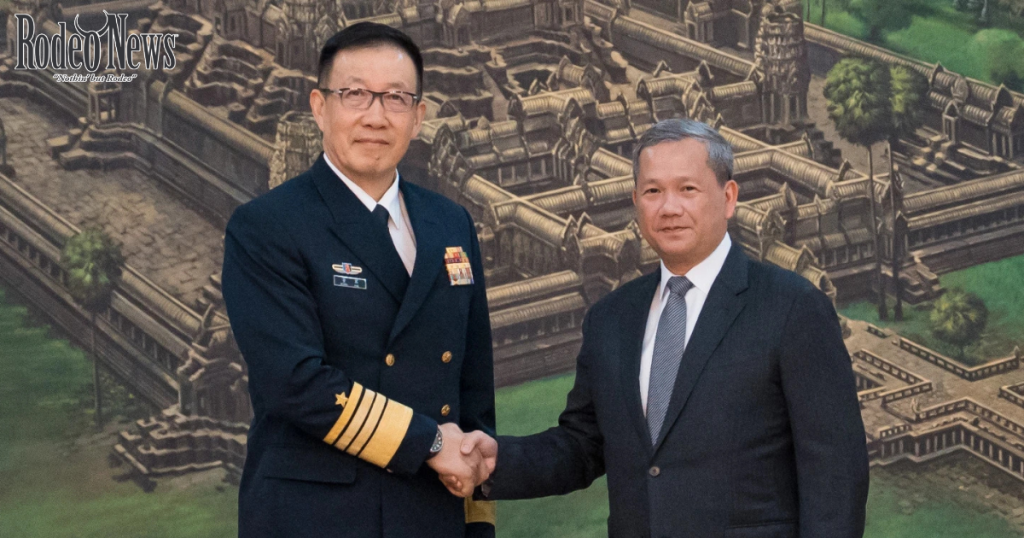
This high-level engagement signals not only stronger bilateral relations but also a shift in regional power dynamics, with implications reaching far beyond Cambodia’s borders.
A Historic First: What Is the 2+2 Dialogue?
The newly introduced 2+2 strategic dialogue mechanism is a diplomatic format that brings together both countries’ foreign and defense ministers. In this case, China’s Foreign Minister Wang Yi and Defense Minister Dong Jun met with Cambodia’s Foreign Minister Prak Sokhonn and Defense Minister Tea Seiha.
The talks were initiated following a proposal by Chinese President Xi Jinping during his visit to Cambodia in 2025. The goal is clear: strengthen coordination on political and security matters while reinforcing long-term strategic alignment.
This format is not entirely new for China, which has used similar mechanisms with other countries like Indonesia. However, its introduction in Cambodia highlights the country’s growing importance in Beijing’s regional strategy.
1. Deepening Political and Security Cooperation
One of the most immediate outcomes of the China Cambodia talks is the strengthening of political and defense ties.
Officials from both countries discussed regional stability, defense collaboration, and long-term cooperation frameworks. The dialogue aims to institutionalize regular communication between military and diplomatic leadership, reducing misunderstandings and increasing alignment on key issues.
Moreover, the talks included discussions on implementing existing agreements and expanding cooperation in areas such as infrastructure, agriculture, and security.
This move positions Cambodia as one of China’s closest partners in Southeast Asia, reinforcing a relationship that has been steadily growing for decades.
2. China’s Expanding Influence in Southeast Asia
China’s increasing presence in Southeast Asia is no secret, and these talks further underline its ambitions.
Cambodia has become Beijing’s strongest ally in the region, benefiting from billions of dollars in investment and aid. Bilateral trade between the two countries reached nearly $20 billion last year, heavily favoring China.
Through initiatives like the Belt and Road Initiative, China has funded major infrastructure projects in Cambodia, including roads, bridges, and ports.
The 2+2 dialogue serves as another tool for China to solidify its influence—not just economically, but also militarily and politically.
3. The Ream Naval Base Controversy
One of the most sensitive issues surrounding the China Cambodia talks is the Ream Naval Base.
The base, located along the Gulf of Thailand, has been upgraded with Chinese funding. New facilities include a larger pier capable of hosting bigger ships and a dry dock for repairs.
The United States and other analysts have raised concerns that China may gain exclusive access to the base, potentially turning it into a strategic military outpost.
Cambodian officials have repeatedly denied these claims, emphasizing transparency and sovereignty. In fact, the docking of the U.S. Navy ship USS Cincinnati earlier this year was seen as a symbolic move to counter such allegations.
Still, the issue remains a focal point in discussions about regional security and China’s long-term intentions.
4. High-Level Diplomacy and Regional Engagement
The visit by Wang Yi and Dong Jun was not limited to formal talks. Both officials also held meetings with key Cambodian leaders, including Prime Minister Hun Manet and Senate President Hun Sen.
These engagements highlight the importance China places on maintaining strong personal and political ties with Cambodia’s leadership.
Following the Cambodia visit, Wang Yi is scheduled to travel to Thailand and Myanmar, indicating a broader regional diplomatic push.
This multi-country tour suggests that China is actively working to strengthen alliances across Southeast Asia, particularly in a time of increasing global competition.
5. Strategic Implications for Global Powers
The China Cambodia talks are not happening in isolation. They are part of a larger geopolitical contest involving major powers like the United States.
Washington has expressed concerns about China’s growing military footprint in the region, especially in relation to the Ream Naval Base.
At the same time, Cambodia has tried to balance its relationships by maintaining openness to other partners. The presence of a U.S. warship at Ream earlier this year is a clear example of this balancing act.
However, Cambodia’s consistent alignment with China on political and economic issues suggests that Beijing remains its most influential partner.
Why These Talks Matter Now
The timing of these talks is crucial.
As global tensions rise and regional alliances shift, Southeast Asia has become a key battleground for influence. Cambodia’s strategic location and close ties with China make it a critical player in this landscape.
The introduction of the 2+2 dialogue mechanism institutionalizes cooperation, ensuring that both countries remain closely aligned in the years ahead.
A Long-Term Strategic Partnership
Historically, Cambodia and China have shared a close relationship, rooted in political support, economic cooperation, and mutual strategic interests.
Over the years, China has become Cambodia’s largest investor and aid donor, playing a major role in its development.
The latest China Cambodia talks are simply the next step in this evolving partnership—one that continues to shape the future of Southeast Asia.
Conclusion: A Defining Moment for the Region
The first-ever 2+2 dialogue between China and Cambodia represents more than just a diplomatic meeting—it is a defining moment in regional geopolitics.
From strengthening military ties to addressing sensitive issues like the Ream Naval Base, these talks highlight the depth and complexity of the China-Cambodia relationship.
As China continues to expand its influence and Cambodia navigates its role on the global stage, the outcomes of these discussions will have lasting implications—not just for the two countries, but for the entire region.