Charli XCX’s “The Moment” Film: A Disturbing Sellout Fantasy That Mirrors Pop Culture Pressures
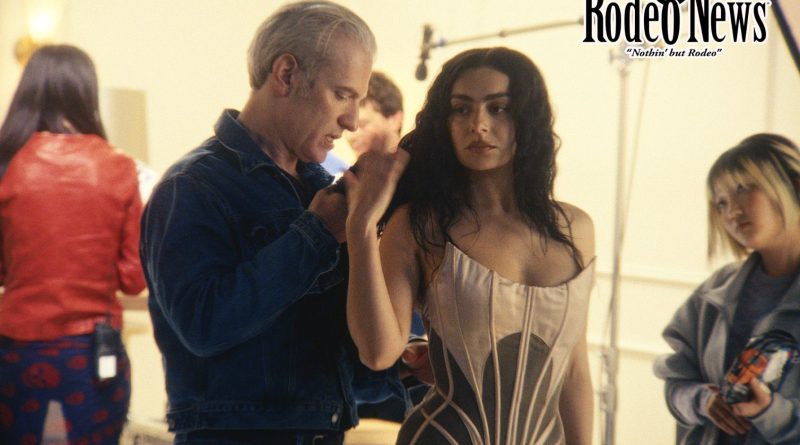
Charli XCX’s latest project, The Moment, has ignited intense debate among critics and fans alike. Released in early 2026 as a mockumentary-style film produced with A24, the movie reframes the meteoric rise of the pop star — and her own 2024 breakout album Brat — into a haunting and sometimes unsettling exploration of fame, success and artistic compromise.
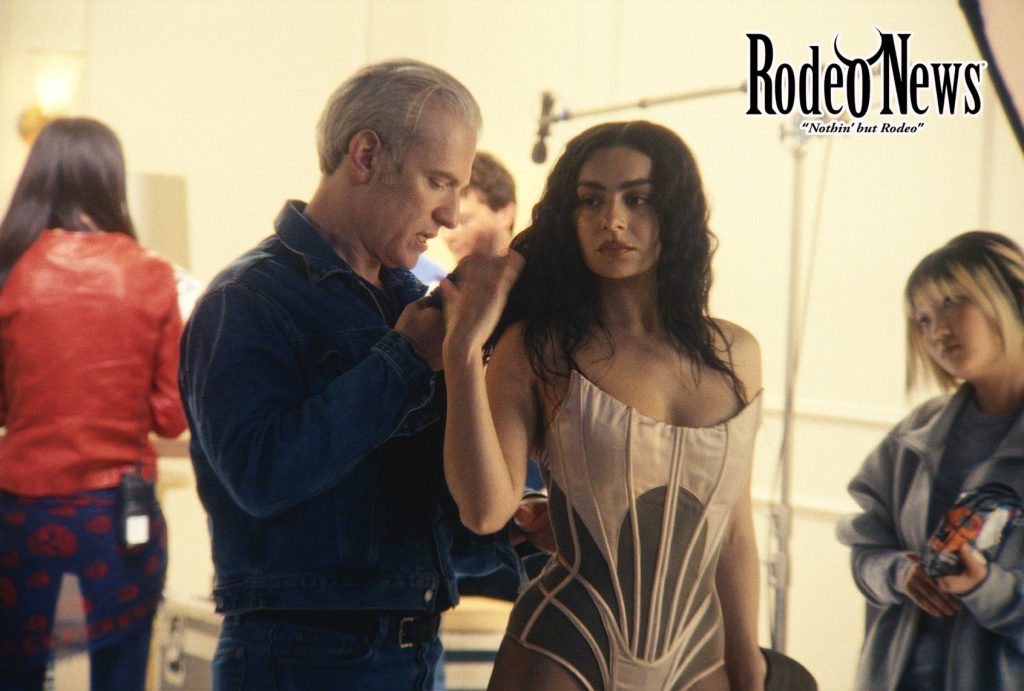
Satire Meets Self‑Reflection in a Pop Star’s Story
On its surface, The Moment imagines an alternate reality: what if Charli had surrendered her creative instincts in pursuit of mainstream success? The film’s concept — developed by Charli along with director Aidan Zamiri and writer Bertie Brandes — builds this alternate narrative around familiar industry tropes, including brand deals, label pressures and commodification of artistry.
Critics and analysts note that this story draws directly from Charli’s real experiences navigating pop culture’s commercial machinery after the huge — if polarizing — success of Brat, which followed her genre‑bending Crash era. In the film, Charli confronts exaggerated versions of these pressures, including the fictional decision to market a Brat credit card tied to her brand.
Critical Divide: Uneasy Comedy or Heavy Allegory?
Reception to The Moment has been mixed. On aggregate review sites like Rotten Tomatoes, it holds a moderate score with critics praising Charli’s presence but questioning the film’s tonal execution. Some reviews commend its bold attempt at satire but note it lacks sharpness, suggesting the satire feels “defanged” at times.
Salon’s own take characterizes the movie as a “disturbing sellout fantasy,” one that captures both the allure and absurdity of fame. The film’s narrative arc — where Charli relinquishes her artistic identity only to claw it back — resonates as both critique and confession about the emotional costs embedded in the pop machine.
Other outlets, however, find the structure scattershot and the humor too subdued for a satire. Critics from publications like Den of Geek argue that the film doesn’t lean hard enough into its mockumentary roots, while some audiences online describe the storytelling as chaotic or stylistically uneven.
Themes of Anxiety, Visibility and Artistic Identity
Beyond industry commentary, The Moment taps into broader cultural anxieties. Analysts note that Charli’s on‑screen struggles reflect a wider tension in creative work under constant visibility — a phenomenon where success itself can provoke insecurity and self‑doubt. In both fictional and real parallels, the film dramatizes the psychological pressures that accompany fame, where the spotlight amplifies vulnerability.
These themes emerge most clearly in moments when the film shifts from satire to introspection: scenes where Charli’s character pauses, out of sync with her manufactured persona, offering glimpses of the human cost behind spectacle and brand image. These quieter beats underscore the film’s deeper meditation on identity and autonomy.
Audience Reaction: Polarized and Provocative
Reactions from viewers have been just as varied. Some fans praise the film for daring to break from formulaic pop star documentaries and embrace a self‑aware narrative that blurs art and commentary. Others, particularly those expecting a conventional behind‑the‑scenes music film, express disappointment or confusion over its mockumentary approach, likening it to surreal art that rewards deeper engagement.
Despite the mixed response, there are signs of commercial interest: screenings sold out at key markets, and social buzz continues to elevate the film beyond niche circles.
Cultural Impact and Legacy
The Moment stands at a unique intersection in Charli XCX’s career. It not only reframes her artistic evolution but also enters the cultural conversation about what it means to “sell out” — a term as loaded now as ever. By amplifying this theme through a self‑referential narrative, the film invites viewers to question the structures that shape modern pop stardom.
While not universally acclaimed, The Moment may yet secure a place in discussions about celebrity, commerce and artistic integrity in the streaming era — not despite its flaws, but because it acknowledges them.