Andy Williams Death: 5 Shocking Facts About His Legacy
The Andy Williams death has sent shockwaves through both the music and professional wrestling worlds. Williams, the founding guitarist of influential metalcore band Every Time I Die and the professional wrestler known to fans as The Butcher, died at 48 after collapsing following a wrestling match in Pennsylvania.
Williams suffered a medical emergency at an Enjoy Wrestling event at Mr. Smalls Theatre in Millvale, Pennsylvania, on September 5. He was performing alongside his longtime tag-team partner Jesse Guilmette, better known as The Blade. Medical personnel at the venue immediately responded and administered CPR before an ambulance transported Williams to a hospital.
His death was subsequently confirmed by the Allegheny County Medical Examiner’s Office, according to multiple reports. At the time of publication, an official cause of death had not been publicly disclosed.
For fans who knew Williams from different parts of his career, the news represents the loss of an unusually versatile performer. He built a major legacy in heavy music before successfully pursuing a second career inside the wrestling ring.
Andy Williams Death Comes After In-Ring Medical Emergency
The circumstances surrounding the Andy Williams death began during an independent wrestling show in Millvale.
Williams was competing in a tag-team match with The Blade when he collapsed at the conclusion of the bout. Enjoy Wrestling said its doctors immediately attended to him and performed CPR until emergency medical services arrived. The remainder of the event was canceled as Williams was taken to the hospital.
Reports about the incident have circulated widely, but the precise medical circumstances remain unclear. Some reports said Williams appeared to suffer an impact during the match, while other accounts focused on the medical emergency itself.
Because authorities had not announced a definitive cause of death, speculation about what happened should be treated cautiously.
What is clear is that Williams received emergency treatment at the venue before being transported to a hospital. His death was later confirmed, leaving colleagues and fans across two very different entertainment communities mourning his passing.
Who Was Andy Williams?
To wrestling audiences, Andy Williams was The Butcher, one half of the tag team The Butcher and The Blade.
To music fans, however, Williams was best known as a founding member and guitarist of Every Time I Die, the Buffalo, New York-based metalcore band that became one of the most respected acts in its genre.
That dual identity made Williams unusual.
He was not simply a musician who occasionally appeared in wrestling. Nor was he a wrestler who happened to have a musical background. He established meaningful careers in both fields.
Williams joined Every Time I Die near the beginning of the band’s history in the late 1990s. The group went on to release a string of influential records and develop a devoted international following.
According to Stereogum, Williams played on all nine of Every Time I Die’s studio albums. The band’s final studio album, Radical, arrived in 2021 before the group broke up the following year.
His contribution to the band therefore covered more than two decades.
Every Time I Die Gave Andy Williams His First Major Platform
Every Time I Die formed in Buffalo in 1998 and became an important force in the development of modern metalcore.
The band’s music blended hardcore punk energy with metallic guitar work, Southern-rock influences and an often unpredictable songwriting approach. Over time, Every Time I Die became known for its intense live performances and distinctive musical personality.
Williams was an important part of that sound.
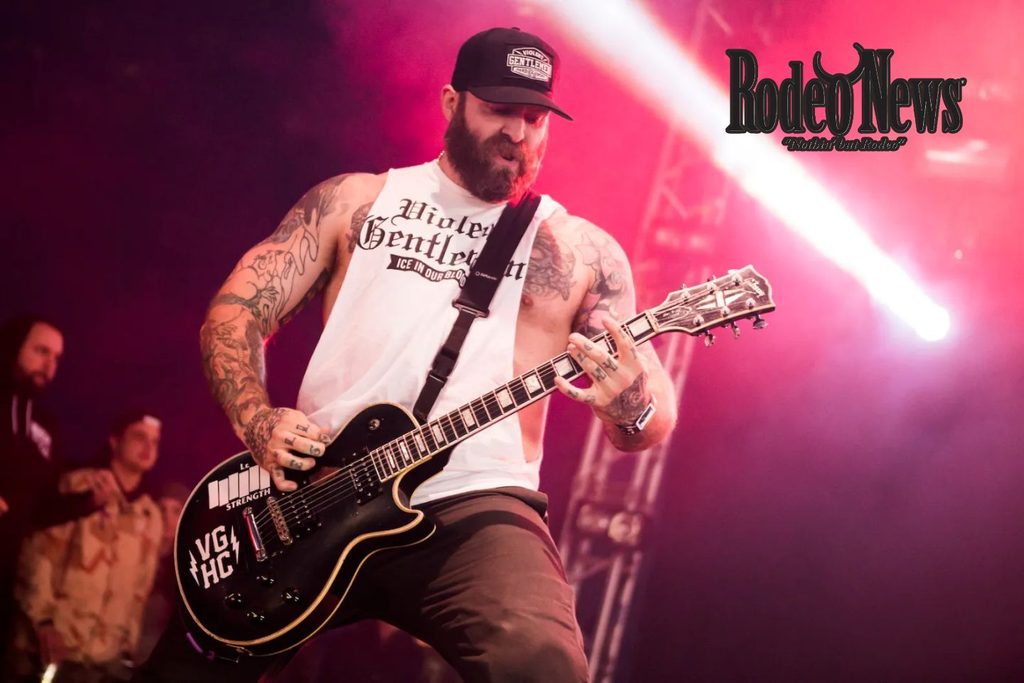
As a guitarist, he spent more than 20 years performing alongside the band’s other members. His career with Every Time I Die included international touring, festival appearances and the release of numerous albums.
The band’s final record, Radical, was released in 2021. It was widely regarded as a significant late-career achievement before the group dissolved in 2022.
Williams subsequently continued working in music.
After Every Time I Die ended, he became involved with Atomic Rule, a newer project that allowed him to continue creating music. Reports indicate that the group released its first material in 2025.
That meant music remained an important part of Williams’ life even after the end of his best-known band.
Andy Williams and the Rise of The Butcher
The second major chapter of Williams’ career was just as remarkable.
Williams had an interest in professional wrestling long before becoming known as The Butcher. After establishing himself as a musician, he eventually returned to wrestling and began building a career in the industry.
His wrestling career eventually led him to All Elite Wrestling, where he became one half of The Butcher and The Blade alongside Jesse Guilmette.
The duo became recognizable figures in AEW’s tag-team division. Williams’ imposing appearance and physical wrestling style made The Butcher an immediately recognizable character.
He made his AEW debut in 2019, appearing alongside The Blade and The Bunny. The group became involved in storylines with several major names in the company.
For many fans, this was the first time they discovered that the intimidating wrestler in the ring was also an accomplished musician.
That crossover became one of the defining characteristics of Williams’ public identity.
The Butcher and The Blade Became a Recognizable Team
Williams’ partnership with The Blade was particularly important to his wrestling career.
The two developed a long-running tag-team relationship that extended beyond their time on AEW television. Their partnership continued on the independent wrestling circuit after their AEW contracts ended.
According to current reports, the pair were still wrestling together when Williams competed in his final match at the Enjoy Wrestling event in Pennsylvania.
Their connection was more than a television storyline. Williams and Guilmette had developed a recognizable identity as a tag team, and fans associated them with a hard-hitting style and imposing presentation.
The news of Williams’ death therefore affected not only his former AEW colleagues but also the independent wrestling community where he continued performing.
AEW Pays Tribute to Andy Williams
Following news of the Andy Williams death, All Elite Wrestling issued a statement honoring the musician and wrestler.
AEW described Williams as a trailblazing musician who had successfully transitioned into professional wrestling. The company also emphasized the respect he earned from people inside and outside the ring.
That sentiment reflects the unusual nature of Williams’ career.
Most performers become associated with one professional identity. Williams became respected in two separate communities.
He could spend one part of his life performing metalcore music for thousands of fans and another part wrestling professionally in front of a completely different audience.
His ability to move between those worlds helped make him a distinctive figure in contemporary music and wrestling.
Tributes Reflect Williams’ Impact Beyond the Ring
Tributes began emerging from both musicians and wrestlers after news of Williams’ death became public.
CBS Pittsburgh reported that Williams was remembered by colleagues and fans as a major presence whose impact extended beyond his professional achievements.
His former Every Time I Die colleagues also reacted to the news.
The response from the music community highlights just how long Williams’ influence lasted. He had spent more than two decades connected to Every Time I Die, meaning many fans had followed his career since the band’s earliest years.
Wrestling fans, meanwhile, remembered him as The Butcher.
The crossover between those two audiences is perhaps the most fitting representation of Williams’ career. His life in entertainment cannot easily be placed into a single category.
Why Andy Williams’ Career Was So Unusual
The story of Andy Williams stands out because of how successfully he moved between two demanding industries.
Professional musicians often spend years developing their craft before they can build an international audience. Professional wrestling requires a completely different combination of athletic ability, performance skills, character development and physical endurance.
Williams managed to establish himself in both.
His work with Every Time I Die made him part of the history of modern metalcore. His career as The Butcher gave him a second platform and introduced him to a new generation of fans.
That combination also helped demonstrate the close relationship between heavy music and professional wrestling.
Both cultures have long shared audiences, venues and performers. Williams became one of the clearest examples of someone who genuinely belonged to both worlds.
Andy Williams’ Musical Legacy
Williams’ musical legacy extends beyond the albums on which he performed.
Every Time I Die became known for its willingness to experiment within heavy music. The band’s work influenced later generations of metalcore and hardcore musicians while maintaining a distinct identity.
Williams was part of that journey from the beginning.
His guitar work helped establish the band’s sound across a catalog that eventually included nine studio albums. His career with the group also included extensive touring and appearances at major festivals.
For many fans, those recordings will remain the most enduring part of his musical legacy.
Atomic Rule represented another chapter. Rather than stepping away from music after Every Time I Die ended, Williams continued creating and performing.
That commitment demonstrated that music remained central to his identity.
Andy Williams’ Wrestling Legacy
Williams’ wrestling legacy is equally distinctive.
As The Butcher, he became a recognizable part of AEW’s early years and helped establish The Butcher and The Blade as a memorable tag team.
His wrestling career also demonstrated that his interest in the sport was genuine. He continued competing after his time with AEW and remained active on the independent scene.
His final match came while he was still working alongside The Blade, making the circumstances surrounding his death particularly heartbreaking for wrestling fans.
Williams was 48.
His death is a reminder of the physical demands faced by professional wrestlers and the unpredictable nature of live performance. However, it is also important to remember the career he built rather than reduce his story to the circumstances of his final match.
What Happens Next in the Investigation?
At this stage, there are still unanswered questions surrounding the exact cause of the Andy Williams death.
Authorities had confirmed his passing, but a definitive cause had not been publicly released in the reports available at publication time.
That means reports describing the incident should be distinguished from confirmed medical findings.
Fans and colleagues are likely to continue receiving additional information as authorities complete their investigation.
Until then, the most important confirmed details are that Williams collapsed after a wrestling match in Millvale, received immediate medical attention, was transported to a hospital and later died at 48.
Remembering Andy Williams
The legacy of Andy Williams cannot be summed up by a single profession.
He was a guitarist, songwriter, touring musician, professional wrestler and performer. He was also part of two communities that rarely have a figure capable of making a major impact in both.
For Every Time I Die fans, Williams will remain part of the band’s defining history.
For wrestling fans, The Butcher will remain a memorable figure from AEW’s formative years and the independent wrestling scene.
His death leaves both communities with an enormous sense of loss.
Williams’ career was unusual precisely because he refused to remain in one lane. He helped build a respected metalcore band, spent decades performing music, reinvented himself inside professional wrestling and continued creating even after Every Time I Die ended.
That is why the Andy Williams death has resonated so strongly.
At 48, Williams leaves behind a body of work that spans music and wrestling, two worlds where his presence was impossible to mistake.
For fans who discovered him through Every Time I Die, The Butcher’s wrestling career became an unexpected second chapter. For those who first knew him from AEW, discovering his history in one of metalcore’s most influential bands offered another perspective on the man behind the character.
Andy Williams’ career was defined by that ability to cross boundaries.
His legacy will be remembered in both the music and wrestling worlds.