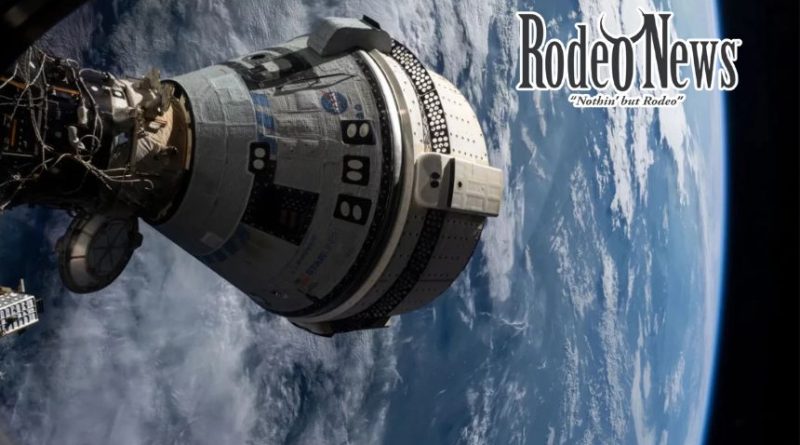
NASA Chief Faults Boeing and Agency Leadership Over Starliner Failure
NASA’s top official has delivered an unusually blunt assessment of the troubled Boeing Starliner mission, blaming both Boeing and the agency itself for failures that forced astronauts to abandon the spacecraft during its first crewed test flight.
In a news conference Thursday, NASA Administrator Jared Isaacman said a 311-page investigative report classified the June 2024 mission as a “Type A Mishap” — the agency’s highest failure category.
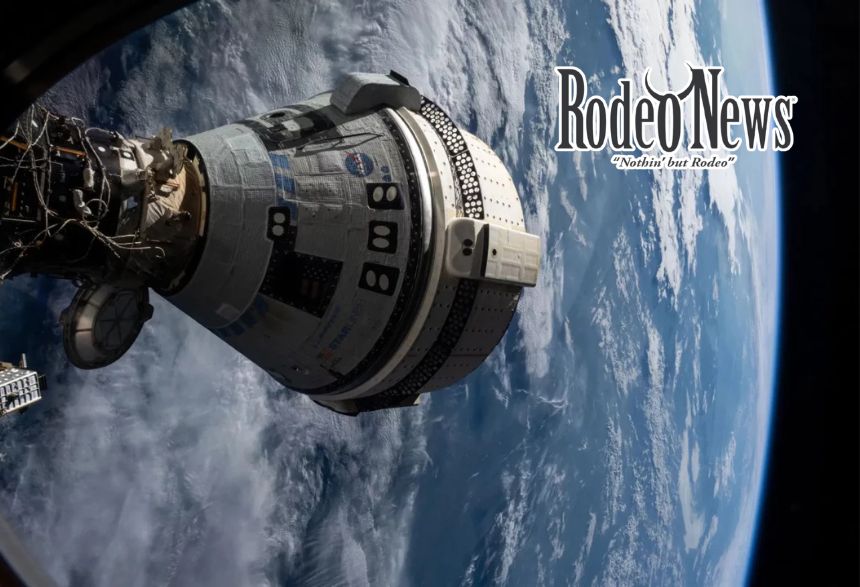
The test flight launched astronauts Butch Wilmore and Suni Williams to the International Space Station from Florida. While liftoff went smoothly, multiple thrusters failed as Starliner approached the station, compromising its ability to maneuver and dock.
After months of analysis, NASA and Boeing decided to return the capsule to Earth without the crew on board. Wilmore and Williams remained aboard the station for nine months before returning home on a SpaceX Crew Dragon spacecraft.
Although the astronauts were never in life-threatening danger, the mission was ultimately deemed a major failure.
“Starliner has design and engineering deficiencies that must be corrected,” Isaacman said. “But the most troubling failure revealed by this investigation is not hardware. It’s decision making and leadership.”
The report cited thruster malfunctions as a key technical issue, though investigators have yet to determine a definitive root cause. More concerning, according to Isaacman, was an “overly risk-tolerant” culture and an erosion of trust between NASA and Boeing.
Repeated launch delays — more than 30 attempts — contributed to mounting schedule pressure and what the report described as decision fatigue. Disagreements over how to bring the astronauts home reportedly deteriorated into unprofessional conduct while the crew remained in orbit.
Isaacman pledged “leadership accountability” but did not specify potential consequences.
Despite the setback, NASA remains committed to flying Starliner again, aiming to maintain two commercial crew providers — Boeing and SpaceX — capable of ferrying astronauts to the space station before its planned retirement later this decade.
The report outlines 61 recommendations to address technical and organizational shortcomings before the next crewed mission.
In a statement, Boeing said it is working closely with NASA to implement the findings and ensure readiness for future flights.
The message from NASA’s leadership was clear: future missions will require not only engineering fixes, but cultural ones.