What’s at Stake in the October 14 Launch
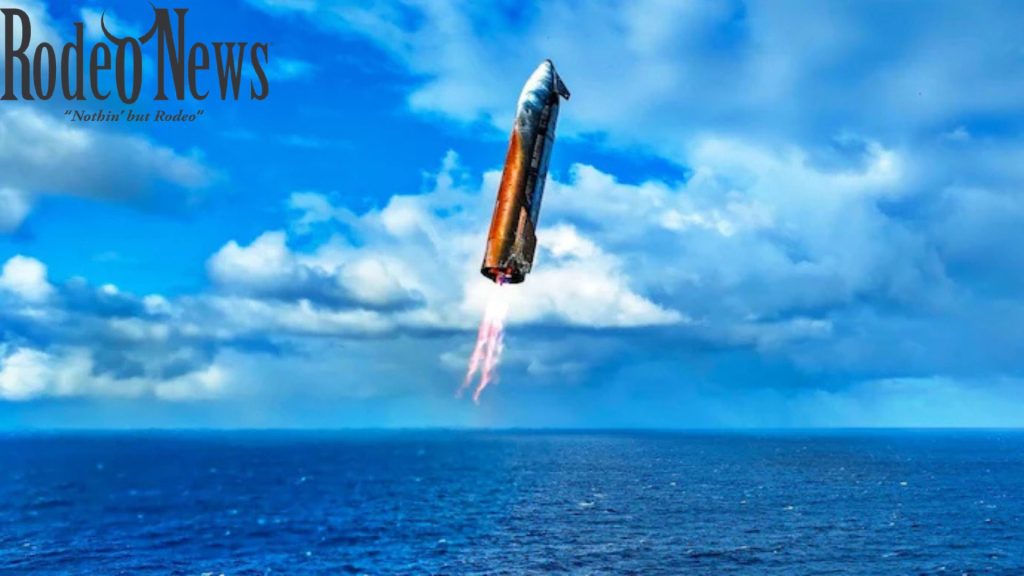
SpaceX plans to launch its Starship / Super Heavy system on October 14 from South Texas, marking the 11th test flight of the gigantic vehicle. The mission is packed with ambitious technical experiments—each one aimed at making progress toward a future of fully reusable spacecraft, crewed missions, and deep space travel.
New Landing-Burn Strategy for the Booster
One of the headline objectives is a revamped landing-burn procedure for the Super Heavy booster. In prior tests, SpaceX used three engines during the final descent. In this flight, it will begin the landing burn using 13 Raptor engines, then switch to 5 engines, before hovering and descending using 3 core engines for splashdown in the Gulf of Mexico.
This incremental engine cutdown approach adds redundancy and flexibility, especially if one engine fails near the end. It also helps refine trajectory control under more demanding conditions.
Experiments on the Starship Upper Stage
While the booster handles the tough job of return, the upper stage—Starship—will carry out several critical tests:
- Deploying mock Starlink satellites. Eight dummy payloads will be released. These are not intended to stay in orbit but will burn up on reentry.
- In-space engine relighting. A single Raptor engine onboard will be restarted in space. Reliability of engine restarts is crucial to future missions to the Moon, Mars, and beyond.
- Heat shield stress testing. SpaceX will intentionally remove heat-shield tiles in selected regions to push the vehicle’s resilience during reentry heating.
- Guidance and attitude control. The mission will also test subsonic guidance software and dynamic banking maneuvers, simulating future return-to-launch-site flight paths.
The mission will conclude with Starship making a splashdown in the Indian Ocean.
Why This Flight Matters
Each test adds to SpaceX’s data library, helping the company refine design, operations, and failure mitigation. The changes in landing-burn strategy aim to reduce the risk of engine-out failures. Heat-shield experiments will inform how to protect crewed vehicles during atmospheric reentry. Engine relighting is key to multi-burn mission profiles.
In short, this is not just another test—this is a stepping stone toward operational reusability, crewed missions, and eventual human missions to Mars.