Stocks Rise as Oil Falls: 5 Market Signals Revealed
Stocks rise as oil prices fall after US President Donald Trump announced an energy ceasefire between Russia and Ukraine, giving investors a reason to reassess the geopolitical risks affecting global markets. However, the announcement has not yet established a confirmed, mutually implemented agreement, and uncertainty over the conflict continues to influence energy prices and investor sentiment.
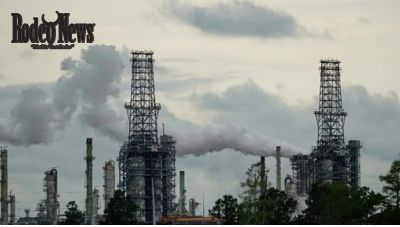
On Monday, October 12, European shares moved higher as crude oil prices retreated from recent levels. The market reaction came despite renewed Houthi attacks on Saudi Arabia and reports that Russian forces continued striking Ukrainian energy infrastructure.
Investors were also preparing for a busy week of economic releases and corporate earnings. Upcoming US inflation figures, retail sales data and financial results from major companies could help determine whether the improvement in market sentiment continues.
The latest developments illustrate how quickly financial markets can respond to geopolitical announcements, particularly when energy supplies, transportation costs and inflation expectations are involved.
1. Stocks Rise as Oil Prices Fall After Trump’s Announcement
Global stock markets received support on Monday as oil prices declined following Trump’s announcement of an energy ceasefire between Russia and Ukraine.
The US president said the agreement would halt attacks on energy infrastructure, potentially reducing the risk of further disruption to oil and fuel supplies. The announcement followed a separate arrangement involving increased Russian diesel supplies to international markets.
According to Reuters, the pan-European STOXX 600 index rose approximately 0.56% to 635.09 points during Monday morning trading. Spain’s IBEX index gained around 1.1%, while the STOXX 600 banking sector advanced approximately 1.5%.
The improvement in European shares reflected a shift in investor sentiment as traders considered the possibility of reduced pressure on energy markets.
Oil prices also moved lower. Brent crude traded around $104.37 per barrel in early Monday market updates, while US West Texas Intermediate crude stood near $91.33. Both benchmarks had retreated from higher levels recorded earlier in the session.
These figures represent market levels reported during the trading day, not final closing prices.
Lower oil prices can support stocks because energy is a major input cost for businesses. Airlines, transport companies, manufacturers and logistics providers can benefit when fuel becomes less expensive, particularly if demand remains stable.
However, the relationship between oil prices and equities is not automatic. A sustained decline in crude prices may also signal weaker economic demand, which could weigh on corporate revenues and investor confidence.
For now, traders appear to be weighing the potential benefits of lower energy costs against the possibility that geopolitical tensions could quickly reverse the market’s direction.
2. The Energy Ceasefire Remains Uncertain
Although the ceasefire announcement helped ease oil prices, its implementation remained uncertain on Monday.
Trump said Russia and Ukraine had agreed to stop attacks on each other’s energy facilities. However, Ukrainian President Volodymyr Zelenskyy said he had learned of the arrangement through media reports and had not received confirmation from the Russian side.
Zelenskyy indicated that Ukraine was prepared to observe such a pause if Russia did the same.
The distinction matters to financial markets. An announced agreement can change expectations immediately, but a lasting reduction in hostilities would require credible evidence that both sides are observing its terms.
The Associated Press reported on Monday that Zelenskyy accused Russia of continuing to attack Ukrainian energy infrastructure after Trump’s announcement. The reported strikes included damage to energy facilities, adding to doubts about whether the proposed pause was already operating in practice.
The uncertainty creates a difficult environment for investors trying to estimate future oil supplies and transportation risks.
If the two sides implement a sustained pause in attacks on energy facilities, traders may anticipate lower risks to production, refining and infrastructure. That could reduce some of the geopolitical premium embedded in oil prices.
Conversely, renewed attacks or a breakdown in negotiations could trigger another increase in crude prices.
For businesses that depend heavily on fuel, the difference could affect operating expenses, profit margins and pricing decisions. For consumers, changes in crude oil prices can eventually influence petrol, diesel, heating and transportation costs, although the timing and scale vary across markets.
Until the terms and implementation of the arrangement become clearer, investors are likely to remain cautious about treating the announcement as a permanent change in the energy outlook.
3. Oil Prices Face Pressure From Conflicting Geopolitical Risks
The retreat in crude prices came at a time when other developments were threatening energy security.
Houthi attacks on Saudi Arabia intensified concerns about regional stability after strikes targeted Riyadh over the weekend. Reports described casualties at the Saudi capital’s international airport and further attacks on Sunday.
The escalation raised questions about the safety of regional infrastructure and the potential effects on oil transportation.
Saudi Arabia is a major player in the global energy market, so any credible threat to its production facilities, export infrastructure or transportation networks can affect market expectations.
Oil prices respond not only to actual supply losses but also to the possibility that future supplies could be interrupted.
Nevertheless, traders do not always respond to every geopolitical incident with sustained price increases. The scale of a potential disruption, its duration and the availability of alternative supplies all influence the market’s reaction.
Stephen Innes of SPI Asset Management, cited in Euronews’ reporting, said investors were increasingly distinguishing between geopolitical headlines and developments that threaten actual oil supplies, shipping routes, refining capacity or insurance costs.
That distinction helps explain why crude prices could decline after Trump’s announcement despite the continuing security risks.
The market was effectively weighing two opposing possibilities: a reduction in attacks on Russian and Ukrainian energy infrastructure, and an escalation of violence that could threaten energy transportation elsewhere.
The balance between these risks remains uncertain.
For oil-importing economies, a sustained reduction in crude prices would generally ease some inflationary pressure. For energy producers, however, lower prices could reduce revenues, depending on production costs, taxes and existing contracts.
The immediate direction of oil prices therefore matters to a wide range of businesses, governments and consumers.
4. US Inflation Data Could Reshape Market Expectations
Beyond geopolitics, investors are watching a series of US economic releases that could influence expectations for interest rates.
Inflation figures and retail sales data are particularly important because they provide information about consumer purchasing power, economic demand and the persistence of price pressures.
Reuters reported that economists expected US headline consumer inflation to increase by approximately 0.6% month over month, with the annual rate reaching around 3.7%. Core inflation, which excludes food and energy, was expected to rise by approximately 0.2% during the month.
These were market expectations ahead of the release, rather than confirmed results.
Energy costs are an important factor in the outlook because higher fuel prices can increase transportation and production expenses throughout the economy. Businesses may absorb some of those costs, but others may pass them on to consumers.
If inflation proves stronger than expected, investors could anticipate that the Federal Reserve will maintain restrictive monetary policy for longer or consider additional rate increases.
Higher interest rates can pressure equity valuations by increasing borrowing costs and reducing the present value of future corporate earnings. They can also make bonds and cash investments more attractive relative to riskier assets.
On the other hand, a more moderate inflation reading could ease some concerns about monetary tightening, particularly if economic activity remains resilient.
The challenge for investors is that lower oil prices do not guarantee a rapid decline in overall inflation. Other costs, including housing, services, wages and transportation, can continue to influence the broader price level.
Retail sales data will provide another important signal by showing whether consumers are maintaining spending despite elevated living costs.
Together, the economic releases could help determine whether Monday’s market optimism develops into a more sustained improvement or gives way to renewed caution.
5. Corporate Earnings Could Determine the Next Market Direction
The beginning of the quarterly earnings season is another major focus for investors.
Major US banks, including JPMorgan Chase and Goldman Sachs, were scheduled to report results on Tuesday, followed by Bank of America on Wednesday, according to Reuters.
The reports could provide insight into consumer finances, lending activity, investment banking, trading revenue and the broader condition of the US economy.
Investors will also monitor technology and semiconductor companies. Taiwan Semiconductor Manufacturing Company, known as TSMC, and chip-equipment manufacturer ASML were among the companies scheduled to report later in the week.
These results are important because expectations for artificial intelligence investment and technology-sector growth have become significant influences on global equity markets.
Strong earnings can support share prices when companies demonstrate that their profits justify current valuations. Disappointing results, cautious guidance or rising expenses can have the opposite effect.
European companies are also facing scrutiny as investors assess whether higher borrowing costs and geopolitical uncertainty are affecting demand.
The energy outlook adds another variable. Companies with high fuel expenses may benefit from falling oil prices, while energy producers could face pressure if lower crude prices reduce expected revenue.
Investors will therefore be looking beyond headline profit figures. Revenue growth, operating margins, debt levels and management forecasts may provide important clues about how companies expect to perform in the months ahead.
The interaction between corporate earnings, inflation and energy prices could be more important for market direction than any single political announcement.
What Monday’s Market Reaction Means for Investors
Monday’s trading showed how sensitive financial markets remain to changes in expectations about energy supplies and geopolitical risk.
The decline in crude prices helped support European equities, while investors prepared for economic data and company results that could influence the next stage of trading.
However, the market response should not be mistaken for proof that the underlying risks have disappeared.
The proposed Russia-Ukraine energy ceasefire remained uncertain, and reports of continued attacks raised questions about its practical effect. Meanwhile, the escalation involving Saudi Arabia highlighted the possibility of renewed pressure on regional energy infrastructure.
Investors must also consider the difference between short-term price movements and longer-term economic trends. A brief fall in oil prices may improve sentiment, but persistent inflation, high borrowing costs or weaker corporate earnings could still weigh on markets.
For households and businesses, the outlook depends partly on whether lower energy prices persist long enough to reduce fuel and transportation expenses.
For policymakers, the same developments complicate decisions about inflation and economic support. A lasting decline in energy costs could ease price pressures, while renewed disruptions could make inflation more difficult to control.
The coming days will provide additional information through US economic releases, corporate earnings and developments surrounding the proposed ceasefire.
For now, stocks have found some support from falling oil prices, but the broader market outlook remains closely tied to events that are still unfolding.
The central question is whether the latest diplomatic announcement will lead to a meaningful reduction in energy-related risks or whether continued conflict will restore the pressure that has kept oil prices elevated.