Oil Prices Surge: 5 Shocking Impacts on Global Economy
The global economy is facing renewed uncertainty as oil prices surge past $100 per barrel, driven by escalating geopolitical tensions in the Middle East. The latest developments surrounding the Iran conflict have triggered massive disruptions in global energy supply, pushing markets into volatility and raising fears of inflation, slower growth, and widespread economic strain.
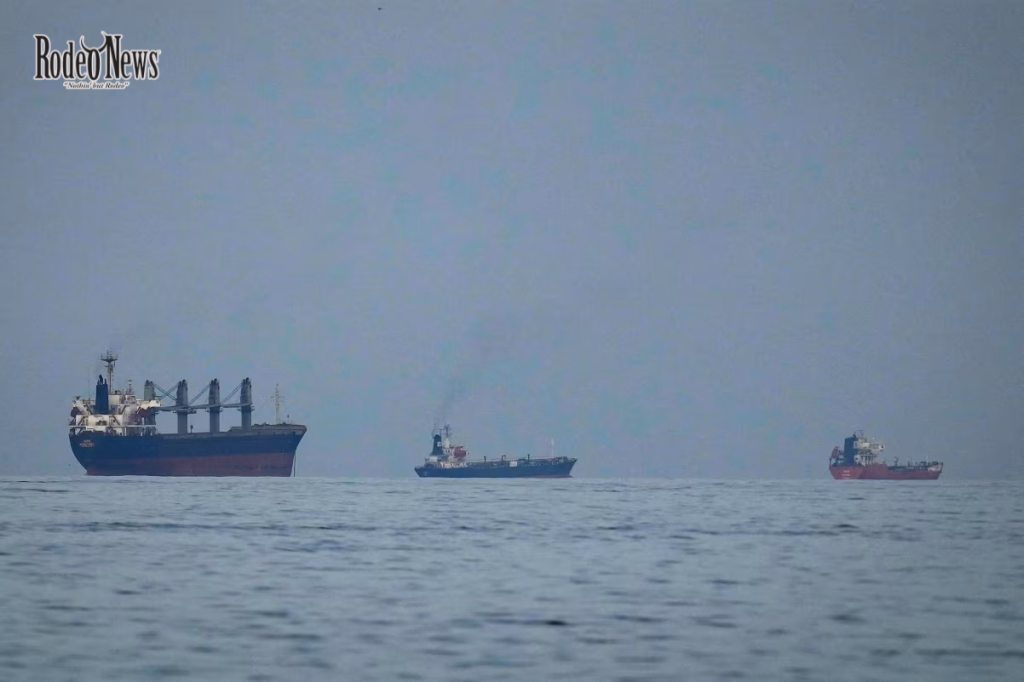
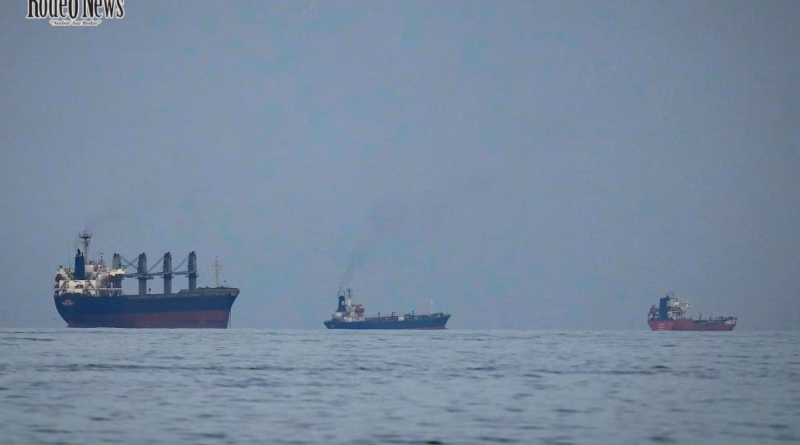
According to recent reports, oil prices have climbed more than 50% in March alone, marking one of the sharpest increases in recent years. This surge is closely tied to the ongoing conflict involving Iran, the United States, and regional actors, which has disrupted critical oil supply routes such as the Strait of Hormuz — a passage responsible for roughly 20% of global oil flow.
As a result, economists and policymakers are closely monitoring the ripple effects across industries, financial markets, and households worldwide.
Why Oil Prices Are Rising Rapidly
Geopolitical Tensions Fuel Market Panic
The primary driver behind the oil prices surge is the intensifying conflict in the Middle East. Military escalation and threats to critical infrastructure have created uncertainty in global supply chains.
Oil markets are particularly sensitive to disruptions in the Strait of Hormuz, a key transit point for crude exports. When access to this route is threatened or restricted, global supply tightens almost instantly, pushing prices higher.
Recent developments suggest that the conflict may continue for an extended period, increasing the likelihood of prolonged supply disruptions. Investors are already pricing in worst-case scenarios, including potential shortages and further escalation.
Supply Constraints and Shipping Risks
Beyond geopolitical tensions, logistical challenges are compounding the crisis. Tanker attacks, shipping reroutes, and insurance risks are making it harder and more expensive to transport oil globally.
Some countries have begun redirecting shipments through alternative routes, but these solutions are less efficient and more costly. As a result, the global oil market is experiencing both physical shortages and rising transportation costs.
5 Major Impacts of Oil Prices Surge on the Global Economy
1. Rising Inflation Worldwide
One of the most immediate effects of the oil prices surge is inflation. Energy costs are a fundamental component of nearly every sector, from manufacturing to transportation.
As oil prices climb, businesses pass these costs onto consumers. This leads to higher prices for goods and services, including food, utilities, and travel.
Recent data shows inflation in some regions already exceeding central bank targets due to rising energy prices.
If the trend continues, inflation could accelerate further, forcing central banks to reconsider monetary policy.
2. Higher Fuel Prices for Consumers
Consumers are directly feeling the impact of rising oil prices at the pump. Gasoline prices have already surged in several countries, reaching levels not seen in years.
In the United States, fuel prices have exceeded $4 per gallon, highlighting the immediate burden on households.
Higher fuel costs not only affect daily commuting but also increase the cost of goods, as transportation becomes more expensive.
3. Stock Market Volatility
Financial markets are reacting sharply to the oil prices surge, with increased volatility across global equities.
Investors are concerned about the dual threat of rising inflation and slowing economic growth. As a result, stock indices in multiple regions have experienced significant declines.
Asian markets, in particular, have seen steep losses, while global investors are shifting toward safer assets such as gold.
Market uncertainty is expected to persist as long as geopolitical tensions remain unresolved.
4. Slower Economic Growth
High energy costs act as a drag on economic growth. Businesses face higher operational expenses, while consumers reduce spending due to increased living costs.
The International Monetary Fund has warned that the ongoing crisis could slow global growth significantly.
Emerging economies are particularly vulnerable, as they rely heavily on imported energy and have less financial flexibility to absorb shocks.
5. Risk of Long-Term Energy Crisis
If the conflict continues, the oil prices surge could evolve into a prolonged energy crisis. Supply disruptions may persist for months, leading to structural changes in global energy markets.
Some analysts warn that oil prices could climb even higher if the situation worsens, potentially reaching extreme levels under prolonged disruption scenarios.
This could accelerate the transition to alternative energy sources but also create short-term economic instability.
How Governments and Central Banks Are Responding
Emergency Measures and Policy Adjustments
Governments around the world are taking steps to mitigate the impact of rising oil prices. These measures include:
- Strategic oil reserve releases
- Energy subsidies and price controls
- Encouraging reduced energy consumption
Meanwhile, central banks are facing a difficult balancing act. On one hand, they must control inflation; on the other, aggressive rate hikes could slow economic growth further.
Interest Rate Uncertainty
The surge in oil prices is complicating monetary policy decisions. Some central banks are considering raising interest rates to combat inflation, while others remain cautious due to weakening economic conditions.
This divergence in policy approaches could lead to further market volatility and currency fluctuations.
What Happens Next?
Scenarios for Oil Prices
The future of oil prices largely depends on how the geopolitical situation evolves. There are two primary scenarios:
1. Conflict De-escalation
If diplomatic efforts succeed, oil prices could stabilize and gradually decline. However, even in this scenario, prices may remain elevated compared to pre-conflict levels.
2. Prolonged Conflict
If tensions escalate or persist, oil prices could continue rising, potentially triggering a deeper global economic slowdown.
Long-Term Implications
The current crisis may reshape global energy strategies. Countries are likely to:
- Invest more in renewable energy
- Diversify energy supply sources
- Strengthen energy security policies
These changes could reduce dependence on volatile regions but will take time to implement.
Conclusion
The ongoing oil prices surge is more than just a market fluctuation—it is a global economic shock with far-reaching consequences. From rising inflation and fuel costs to market volatility and slower growth, the impact is being felt across every corner of the world.
As the situation continues to unfold, governments, businesses, and consumers must adapt to an increasingly uncertain energy landscape. While a resolution to the conflict could ease pressure on markets, the long-term effects of this crisis may shape the global economy for years to come.