NAZA Documentary Sparks New Fury in Israel
The NAZA documentary has pushed long-running allegations about Israel’s military campaign in Gaza back into the centre of political debate, triggering an unusually broad backlash against its Israeli filmmakers. The controversy comes just weeks before Israel’s October elections, when political divisions are already running high.
Directed by Israeli filmmakers Yuval Abraham and Rachel Szor, NAZA examines allegations about the way Israel’s military has conducted its war in Gaza. Much of the material presented in the film concerns claims that have appeared in investigative reporting since 2024.
Yet the documentary has generated a reaction far stronger than many of those earlier reports.
Why the NAZA Documentary Is Causing Anger
One reason for the controversy is the film’s focus on testimony from Israeli military insiders. The documentary revisits allegations concerning the use of artificial intelligence-assisted systems in identifying targets in Gaza.
Reports about such systems emerged publicly in 2024. Those reports raised questions about how targets were selected and about the potential consequences for civilians when buildings containing suspected fighters were attacked.
NAZA brings those allegations together through testimony from Israeli sources, placing them before a wider international audience.
The documentary premiered at the Venice Film Festival, where it received a lengthy standing ovation and later won a Special Jury Prize. Its reception abroad has contrasted sharply with the response inside Israel.
Political Backlash Intensifies
Several prominent Israeli political figures have condemned the film and its creators.
Culture Minister Miki Zohar called for Abraham and Szor to lose their citizenship and face an investigation. Israel’s military leadership has also rejected the documentary’s allegations, with Chief of Staff Eyal Zamir describing its claims in highly critical terms and ordering a legal investigation into the sources involved.
Prime Minister Benjamin Netanyahu has also referred to the controversy while promoting legislation concerning people accused of damaging Israel’s reputation by criticizing its soldiers.
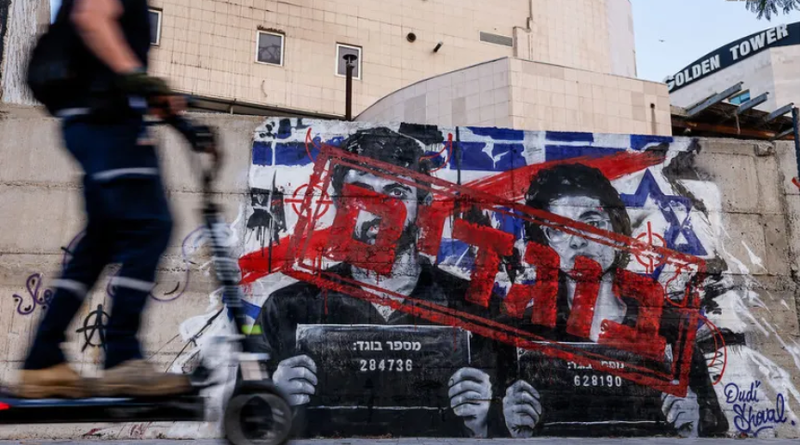
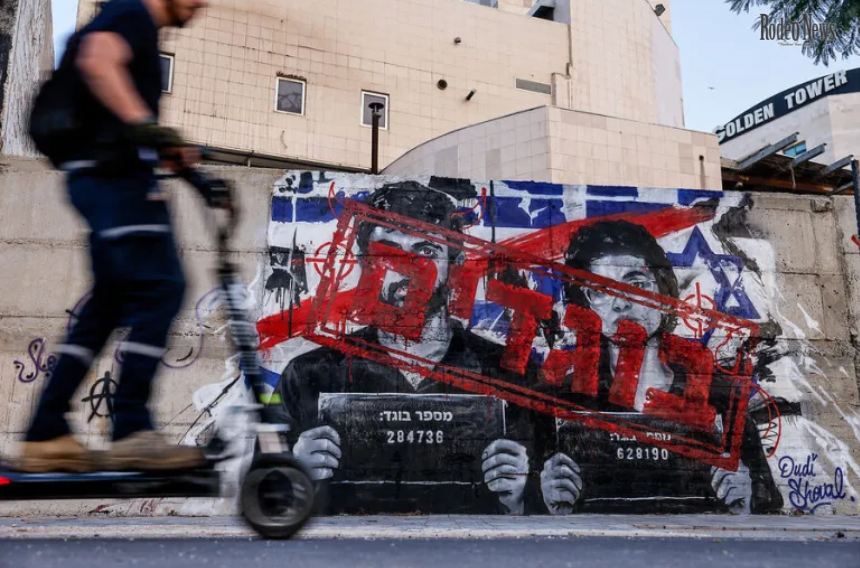
The response has not been limited to government officials. Graffiti describing the filmmakers as “traitors” has appeared in Ashdod, while critics have reportedly targeted people connected to the directors.
The breadth of the backlash has therefore become part of the story itself.
Gaza Allegations Were Reported Before NAZA
The controversy surrounding the NAZA documentary is notable because many of its central allegations are not new.
Reports about Israel’s targeting practices and the use of artificial intelligence in military operations had already appeared in Israeli and international media. Other allegations concerning civilian deaths, humanitarian conditions and Israel’s conduct in Gaza have also been debated internationally for years.
What has changed is the visibility of the issue inside Israel.
The documentary has brought previously reported claims into a major cultural and political discussion at a particularly sensitive moment.
Debate Over Israeli Media Coverage
Another important part of the controversy concerns how the Gaza war has been covered by Israeli media.
A 2025 study cited by Al Jazeera found that Channel 12, one of Israel’s most-watched television networks, devoted limited attention to Gaza’s humanitarian crisis during the first months of the war. The study also found relatively few images depicting Palestinian civilian casualties.
Critics argue that this limited coverage contributed to a significant gap between the way the war was understood inside Israel and the way it was reported internationally.
Israeli journalists and press-freedom advocates have also raised concerns about censorship, harassment and the pressures facing reporters during wartime.
Supporters of the Israeli military, however, have emphasized the circumstances surrounding the conflict, particularly the Hamas attack of October 7, 2023, and the use of civilian areas during the war.
These competing narratives remain central to the debate over Gaza.
Election Politics Add Another Layer
The timing of NAZA’s release has also intensified its political significance.
Israel is heading toward elections in October, and criticism of the documentary has crossed some traditional political divisions. Figures who oppose Netanyahu have also condemned the film, demonstrating how sensitive the issue of military conduct remains across the political spectrum.
For filmmakers Abraham and Szor, the controversy has transformed a documentary about the Gaza war into a much larger dispute over national identity, military accountability and freedom of expression.
The response has also raised questions about how far political authorities should go when confronting allegations made by journalists, filmmakers and military whistleblowers.
What NAZA Has Changed
The significance of the NAZA documentary may ultimately extend beyond the specific allegations it presents.
The claims about Israel’s conduct in Gaza have been debated for years. What is different now is the intensity with which the issue has entered Israel’s domestic political conversation.
The documentary has placed Israeli military testimony, media coverage and the treatment of dissenting voices under renewed scrutiny.
As Israel approaches its October election, NAZA has therefore become more than a film about Gaza. It has become part of a broader national argument over accountability, freedom of expression and how Israelis understand the war being fought in their name.