U.S. Bombers Join Japanese Fighter Jets in Strategic Response to China–Russia Drills
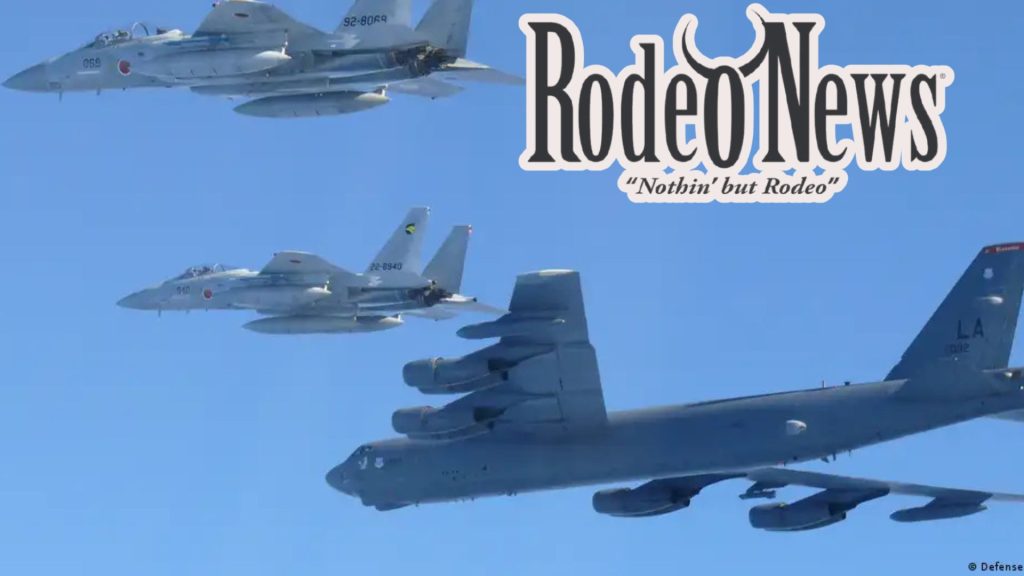
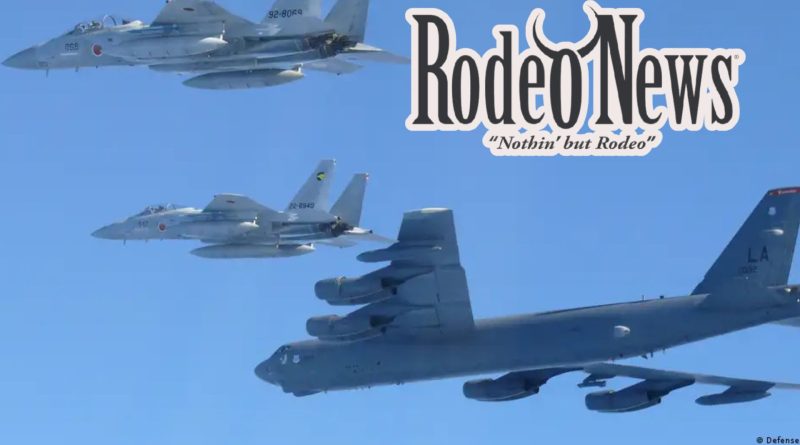
Japan and the United States conducted a joint aerial operation over the Sea of Japan on Wednesday, deploying U.S. strategic bombers alongside Japanese fighter jets in a calibrated demonstration of military readiness following recent China–Russia drills in the region.
According to a statement from Japan’s Ministry of Defense, two U.S. B-52 nuclear-capable strategic bombers flew in formation with six Japanese aircraft — including F-35 stealth fighters and F-15 air superiority jets — reaffirming the allies’ joint commitment to deterrence and stability.
The mission marked Washington’s first visible military show of unity with Tokyo since China and Russia stepped up their own operations around Japan and the Korean Peninsula. For Tokyo, the exercise was intended to signal a firm stance against any unilateral attempt to alter the regional status quo by force.
Context: China–Russia Military Activity
The allied flight came in direct response to recent coordinated drills by Chinese and Russian forces, which included joint bomber patrols over the East China Sea and the western Pacific. Tokyo reported that Japanese fighter jets were scrambled to monitor these activities, which both Beijing and Moscow describe as routine exercises.
The increased tempo of Chinese and Russian military activity has also triggered heightened alerts among Japan’s neighbors. South Korea, for example, reported scrambling its own fighter jets when Chinese and Russian aircraft entered its air defense identification zone, a buffer area extending beyond sovereign airspace used for early identification of incoming flights.
Alliance Messaging and Regional Security
For both Tokyo and Washington, the joint flight served multiple strategic purposes: reinforcing bilateral defense ties, deterring possible military coercion, and reassuring regional partners amid a period of escalating strategic competition in the Asia-Pacific.
Japan’s defense establishment has underscored its concern over the scale and frequency of China–Russia military operations near its airspace, framing them as serious national security challenges rather than isolated events.
Whether this latest aerial demonstration will ease tensions remains to be seen, but it reflects a broader pattern of military signaling that is shaping security dynamics across East Asia