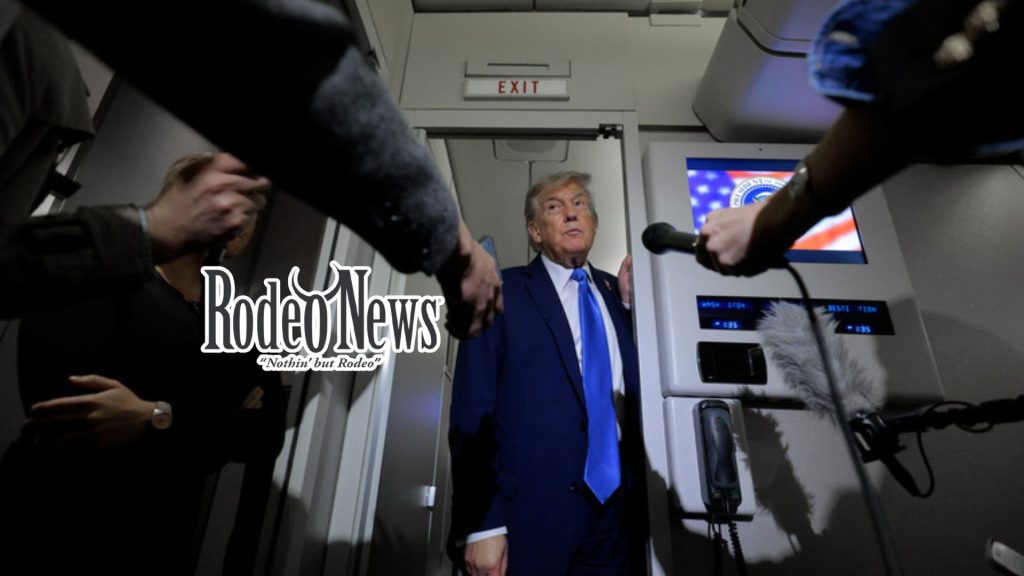
Trump Deepens Health-Care Turmoil in Washington
The White House under Donald J. Trump is intensifying uncertainty across the U.S. health-care system, rekindling tensions around subsidies, insurance markets, and federal safety-net programs. The developments are casting a spotlight on potential chaos ahead — for patients, insurers and lawmakers alike.
Growing Confusion Over ACA Subsidies
As 2025 draws to an end, the future of the enhanced premium subsidies under Affordable Care Act (ACA) remains in doubt. These subsidies, which helped millions keep insurance affordable, are scheduled to expire — and the White House has floated a last-minute, short-term extension tied to a broader reshaping of insurance funding. Under the plan reportedly backed by Trump, instead of subsidizing insurers directly, funds would flow into Health Savings Accounts (HSAs), giving individuals direct control over their coverage.
But that proposal has caused fierce backlash — even within Trump’s own Republican coalition. Critics warn redirecting funds to HSAs could lead to instability in private insurance markets, higher costs for many, and the unraveling of protections established under the ACA.
Medicare & Drug-Price Negotiations: A Mixed Picture
Meanwhile, the administration points to savings on prescription drug costs as evidence that its reform agenda can yield tangible benefits. According to government data, drug-price negotiations under Medicare are projected to generate roughly $12 billion in savings during the second year — nearly double the savings recorded under the previous administration.
Even so, experts caution that savings on a handful of expensive drugs won’t offset broader coverage losses or disruptions resulting from subsidy uncertainty and Medicaid funding cuts.
Medicaid Cuts: A Looming Threat for Low-Income and Vulnerable Communities
Much of the undercurrent of anxiety surrounds the federal government’s plans to substantially scale back Medicaid, the program that insures low-income Americans, seniors, and people with disabilities. Through legislation like One Big Beautiful Bill Act (passed earlier this year), federal funding to Medicaid is being slashed, while states are being pushed to impose tougher work requirements, stricter eligibility checks, and increased costs for enrollees.
Analyses from public-health watchdogs warn that such cuts could strip millions of Americans of coverage — undermining not only access to healthcare, but also the financial stability of hospitals, particularly in rural or underserved regions.
Systemwide Disruption: Hospitals, Insurers, and Public Health Agencies on Edge
Health-care providers, insurers and public-health institutions are scrambling to respond. Many hospitals — especially in rural areas — face reduced reimbursements, staff shortages, and financial uncertainty. Meanwhile, private insurers are weighing whether to remain in markets where subsidies disappear or become unpredictable.
At the same time, overarching federal efforts — from drug-price negotiations to price-transparency rules — are being overshadowed by broader structural upheaval. With core safety-net protections and long-standing subsidy programs now uncertain, the net effect for many Americans may be decreased access, higher costs, or no coverage at all.
What’s at Stake
- Millions of Americans could lose access to affordable insurance or see premiums surge, especially if ACA subsidies lapse and Medicaid shrinks.
- Hospitals and clinics — particularly those serving low-income or rural communities — may struggle financially, putting services at risk.
- Insurance markets could become unstable: as healthier patients opt for minimal coverage, insurers may raise prices or exit some markets.
- Public-health agencies may face long-term damage as uncertainty undercuts preventive care, research funding, and emergency readiness