Ghost Sounds and Border Friction
On recent nights, villagers along the Thai–Cambodia border have awoken to chilling, ghost‑like howls—blurred whispers, aircraft engine roars, and unsettling static crackling through the darkness. These disturbances, formally dubbed “ghost sounds,” have reignited a tense standoff between the two nations.
The Cambodian Senate President, Hun Sen, has publicly voiced alarm, declaring that Thailand’s “ghost sound” broadcasts violate a recently negotiated ceasefire. He appealed to Malaysia — the ceasefire mediator — to press for an immediate halt.
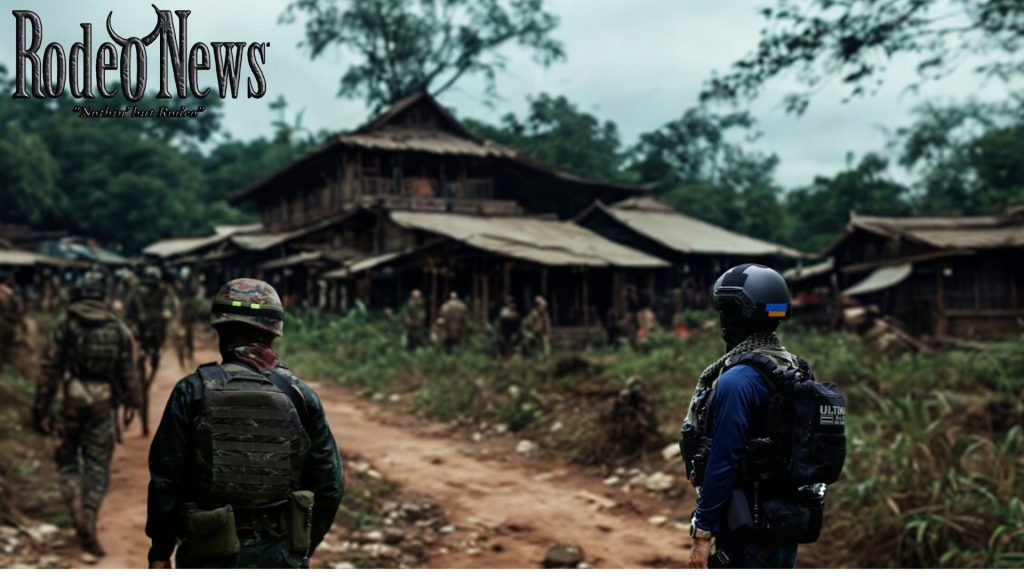
Over several nights, loudspeaker systems projected from the Thai side into Cambodian border villages reportedly played a mix of horror movie sound effects, traditional Khmer chants, Buddhist recitations, Buddhism‑style radio static, and even chaotic aircraft noise. The stated objective: to unsettle Cambodian villagers in areas claimed as Thai territory.
Who Is Behind the Broadcasts—and Why?
A central figure in these events is Thai influencer and nationalist Guntouch Pongpaiboonwet (aka “Kan Jompalang”). He orchestrated nighttime screenings and the sound blasts aimed across the border. Thai authorities reportedly granted permission for his operations, citing national interest.
Thailand defends the tactic. Prime Minister and Interior Minister Anutin Charnvirakul praised the effort, arguing it demonstrates territorial resolve. He has stated that while the action raises diplomatic eyebrows, it remains within Thai “sovereignty rights.”
Still, critics both inside and outside Thailand see alarming risks. The Office of the Attorney‑General cautioned that these broadcasts might contravene the Convention against Torture, arguing that using frightening audio to intentionally distress civilians could amount to cruel or inhuman treatment.
Human Impact: Psychological Strain on Civilians
While the broadcasts may aim at territorial messaging, their effect on border villagers is tangible and distressing. Cambodian human rights groups say the eerie noise campaigns disrupt sleep, trigger anxiety, and especially affect vulnerable populations—children, the elderly, and those with health issues.
Child rights advocates warn the campaigns jeopardize children’s schooling and mental health. Some students reportedly cannot concentrate or even attend school due to trauma and lack of rest.
In response, the Cambodian Human Rights Committee has appealed to the UN High Commissioner for Human Rights to launch investigations, demanding accountability for psychological harassment.
The Geopolitical Stakes
This latest move is not isolated. It comes after a fragile ceasefire in July following days of border clashes that caused fatalities and mass displacement.
Thailand has ramped up patrols, mine clearance, and force posture near disputed areas—particularly around Ban Nong Chan and Ban Nong Ya Kaew.
In diplomatic corridors, Cambodia is pushing for revisions to nonbinding memoranda from 2000 and 2001, which have guided bilateral border conduct. Some legal analysts argue these documents are open to annulment under the Vienna Convention.
Thailand, meanwhile, views the noise operations as part of broader psychological warfare, asserting that moral high ground should not undermine sovereign defense.
What Comes Next?
The “ghost sounds” are a symbolic escalation: not bullets, but pressure. Whether the broadcasts herald a further deterioration or become a bargaining chip in renewed negotiations remains uncertain. What is clear is that they have heightened fears and intensified diplomatic scrutiny.
As both nations circle in on claims of sovereignty and human rights, external observers will watch closely. The question is no longer merely who controls the land—but who controls the narrative.
If you like, I can also turn this into a photo‑rich WordPress layout, with sidebars, pull quotes, or map elements. Do you want me to build that version too?