Democrats Lay Out 10 Demands to Rein in ICE as DHS Funding Deadline Looms
Democrats in Congress have drawn a hard line over the future of federal immigration enforcement, warning they will block long-term funding for the Department of Homeland Security unless Republicans agree to a sweeping set of reforms aimed at curbing the powers and tactics of Immigration and Customs Enforcement (ICE).
The standoff follows the fatal shootings of two American citizens, Renee Good and Alex Pretti, by federal agents during separate encounters in Minneapolis last month. The incidents have intensified scrutiny of enforcement practices tied to the Trump administration’s immigration crackdown and have galvanized Democratic leaders to demand structural changes before approving further funding.
In a letter sent late Wednesday to Republican leadership, Senate minority leader Chuck Schumer and House minority leader Hakeem Jeffries outlined 10 specific conditions they say must be met to avert a funding lapse for DHS on 13 February. The department oversees ICE and US Border Patrol operations nationwide.
“The American people rightfully expect their elected representatives to take action to rein in ICE and ensure no more lives are lost,” the two leaders wrote, framing the demands as a response not only to the Minneapolis shootings but to what Democrats describe as a pattern of unchecked enforcement.
Republicans, who currently control both chambers of Congress, have already dismissed several of the proposals as unworkable or politically motivated. Still, Democrats are expected to introduce legislation to formally codify the reforms, setting the stage for a high-stakes funding battle that could reverberate through immigration policy and federal law enforcement more broadly.
Judicial warrants and targeted enforcement
At the core of the Democratic demands is a requirement that DHS officers obtain judicial warrants before entering private property. The proposal would also end what Democrats call “indiscriminate arrests” and tighten standards around immigration warrants.
Under the plan, agents would be required to verify that a person is not a US citizen before placing them in immigration detention, a safeguard aimed at preventing wrongful arrests of citizens — a concern that has surfaced repeatedly in past oversight reports and lawsuits.
Banning masks and requiring identification
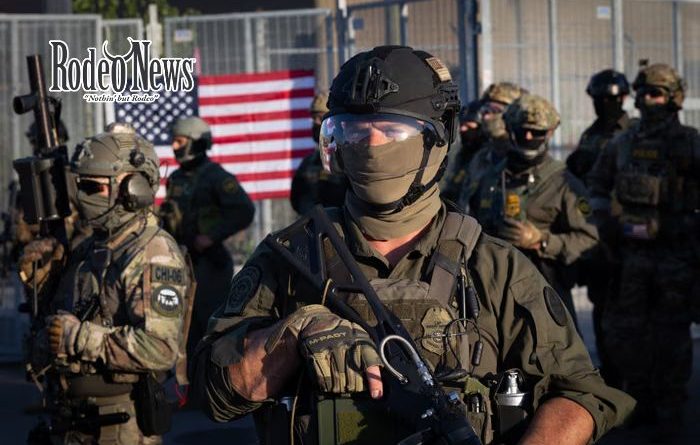
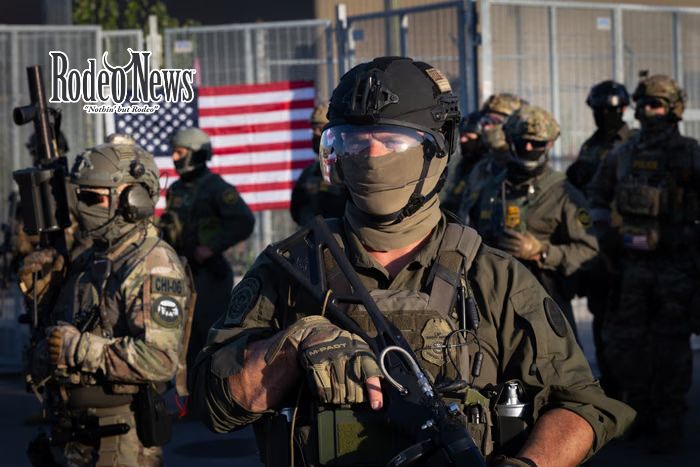
Another flashpoint involves the appearance and anonymity of federal agents. Democrats want to prohibit ICE and other immigration enforcement officers from wearing masks or face coverings during operations, arguing that obscured identities undermine accountability and public trust.
The proposal would also require agents to visibly display their agency affiliation, last name and a unique identification number. If asked, officers would be obligated to verbally state their name and ID number, a measure intended to make it easier for the public and oversight bodies to identify agents involved in controversial encounters.
Protecting sensitive locations
Democrats are also seeking to restrict where immigration enforcement can occur. Their demands would block the use of federal funds for enforcement actions near so-called sensitive locations, including hospitals, schools, childcare facilities, places of worship, polling locations and courthouses.
Advocates argue that enforcement in such settings discourages people from seeking medical care, sending children to school or participating in civic life, even when they have legal status or constitutional protections.
Ending racial profiling
Addressing longstanding concerns about discriminatory policing, the proposals would prohibit DHS officers from initiating stops or searches based on a person’s race, ethnicity, language, accent, occupation or mere presence in certain locations.
Democrats say the measure is necessary to ensure immigration enforcement complies with civil rights protections and does not rely on assumptions that disproportionately target communities of color.
Use-of-force standards and accountability
In response to the Minneapolis shootings, Democrats want Congress to codify a “reasonable use-of-force” standard for DHS officers. The proposal would expand training requirements, mandate officer certification and require that any agent involved in a serious incident be removed from field duty pending the outcome of an investigation.
Supporters argue that formal, statutory standards are essential to preventing excessive force and restoring confidence in federal enforcement agencies.
State and local oversight
The demands also emphasize cooperation with state and local authorities. Democrats want to preserve the ability of local jurisdictions to investigate and prosecute potential crimes involving DHS officers, including excessive use-of-force cases.
The proposals would require DHS to preserve and share evidence with local authorities and obtain consent from states or municipalities before conducting large-scale enforcement operations outside narrowly defined, targeted actions.
Detention safeguards and legal access
Another pillar of the reform package focuses on detention conditions. Democrats are calling for uniform detention standards across all facilities, including immediate access to legal counsel for detainees to prevent wrongful or prolonged detention of US citizens.
States would be granted the authority to sue DHS for violations of these requirements, and members of Congress would be guaranteed access to ICE facilities regardless of how those facilities are funded.
Body cameras, with limits
The proposal would require DHS officers to use body-worn cameras during interactions with the public and establish clear rules governing how footage is stored and accessed.
At the same time, Democrats want to prohibit the use of body-camera data for surveillance purposes, including the tracking or cataloging of individuals engaged in First Amendment-protected activities.
Demilitarizing immigration enforcement
Finally, Democrats are seeking to regulate and standardize the uniforms and equipment used by DHS officers, arguing that heavily militarized gear blurs the line between civil immigration enforcement and paramilitary policing.
The goal, they say, is to align DHS operations more closely with civilian law-enforcement norms and reduce the perception — and reality — of aggressive, military-style raids.
A looming political showdown
With the funding deadline approaching, neither side appears ready to back down. Republicans have signaled that many of the proposals would hamstring enforcement operations, while Democrats insist the reforms are necessary to prevent further loss of life and protect constitutional rights.
As negotiations continue, the clash underscores a broader debate over the role, power and accountability of immigration enforcement in the United States — one that shows little sign of resolution before the clock runs out on DHS funding.