US National Security Officials to Brief Congress
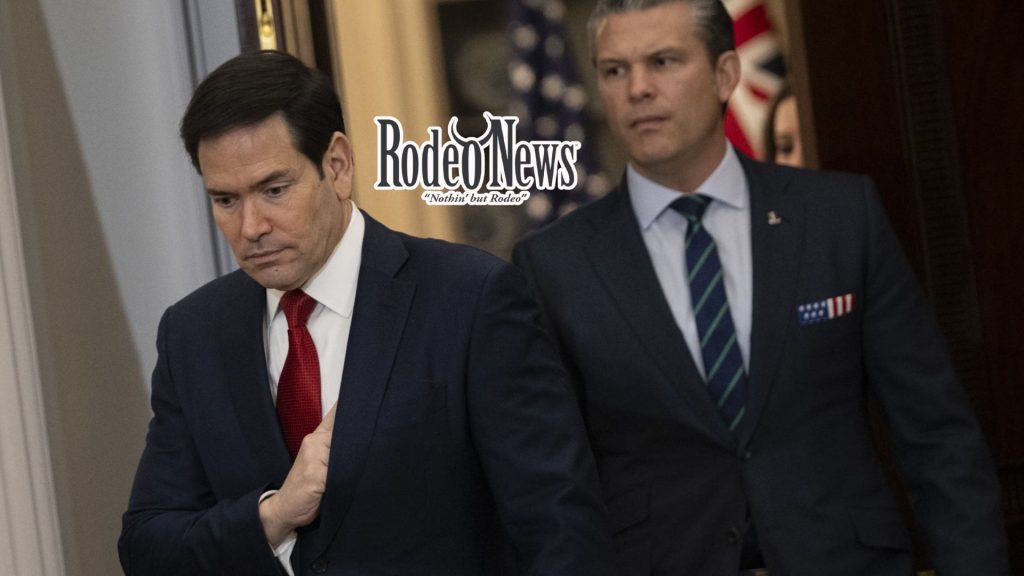
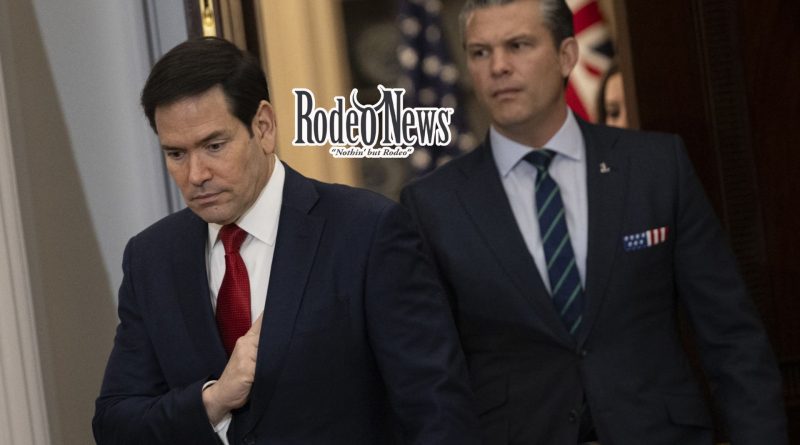
Senior U.S. national security officials — Pete Hegseth (Defense Secretary), Marco Rubio (Secretary of State), and General Dan Caine (Chairman of the Joint Chiefs) — are scheduled to brief the bipartisan congressional “Gang of Eight” later today.
The briefings come amid sharp escalation between the U.S. and Venezuela: the administration has threatened land strikes against alleged drug traffickers — a step beyond its recent Caribbean and Pacific operations targeting suspected narcotics boats.
In a recent interview, U.S. President Donald Trump refused to rule out deploying U.S. troops to Venezuela, and suggested similar action could be taken against drug networks in Mexico or Colombia.
Military Campaign Under Fire
The current U.S. campaign has involved strikes on multiple alleged drug-smuggling vessels since August. In one particularly controversial case, shipwreck survivors from a first strike were reportedly targeted again — raising concerns from lawmakers and legal experts who argue the second strike violated the rules of war.
Faced with mounting pressure, some members of Congress are pushing for transparency. The draft defense policy bill under consideration would require the Pentagon to provide unedited video footage of every such strike — with potential penalties if the Pentagon refuses.
Chips to China, Tariffs Remain — Economic and Tech Strategy
In a move with major economic implications, President Trump granted permission for Nvidia to sell its H200 AI chips to approved Chinese customers — while retaining U.S. export controls on its most advanced chips (Blackwell and Rubin). The deal includes a 25% surcharge payable to the U.S. government.
The decision boosted Nvidia’s stock by about 1.7% pre-market Tuesday. Trump defended the decision as a win for “America First,” arguing that the most powerful chips remain reserved for U.S. clients.
At the same time, he reaffirmed his commitment to tariffs. In early-morning posts on his social media platform, Trump argued that tariffs bolster national security and that only “dark and sinister forces” would want them lifted.
A ruling by the Supreme Court of the United States on the legality of his tariff program is expected by the end of this year or early 2026 — a decision that could reshape the economic landscape.
Economy and Fed Pressure: Trump Praises Progress, Demands Rate Cuts
Speaking about the U.S. economy, Trump rated it an “A-plus-plus-plus-plus-plus,” claiming that prices — once at historical highs — have begun falling. He credited tariffs and policies aimed at bringing manufacturing and auto-industry jobs back to America.
He also signaled his dissatisfaction with the current chair of the Federal Reserve, Jerome Powell, and expressed a desire for a new chair who would quickly cut interest rates.
Why This Matters
- The upcoming Pentagon briefing to Congress could reveal critical details about U.S. military operations in Latin America — including potential troop deployments.
- Allowing advanced U.S. AI chips to be sold to China may reshape global AI competition, but has sparked bipartisan national-security warnings.
- As the legal fate of Trump’s tariff regime looms at the Supreme Court, global trade relations — and prices — may be poised for major shifts.
- The administration’s tight coupling of economic policy, defense, and technological strategy signals a high-stakes gamble with global and domestic repercussions.