Hegseth Defends Second Strike on Caribbean Vessel Amid Growing Controversy
Washington, Dec 6 (Reuters) – U.S. Defense Secretary Pete Hegseth came under the spotlight on Saturday when he confirmed his support for the September 2 military strike on a suspected drug vessel in the Caribbean. Despite escalating controversy over the strike, Hegseth reiterated that he would have personally authorized the second strike on the boat, which targeted two survivors after the vessel had already been destroyed.
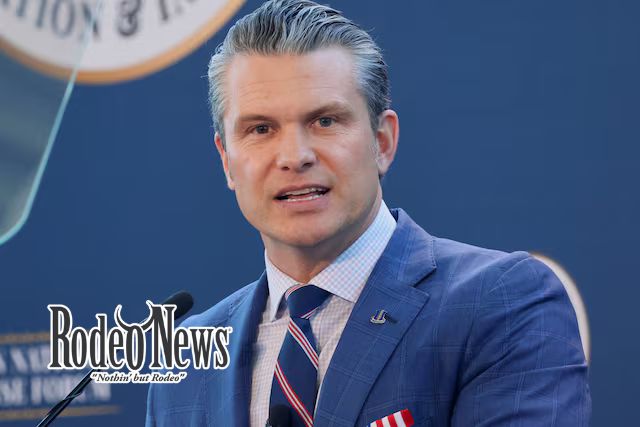
Speaking at the Reagan National Defense Forum in Simi Valley, California, Hegseth said, “I fully support that strike. I would have made the same call myself.” This statement follows claims from Pentagon officials that the decision to launch the second attack came from Admiral Frank Bradley, the then-commander of the Joint Special Operations Command. According to officials, Bradley believed the wreckage of the vessel, which was suspected of carrying illicit drugs, needed to be neutralized to prevent potential threats.
The U.S. military has been conducting a series of strikes targeting drug smuggling operations in the Caribbean and Pacific. The September 2 strike was part of a larger campaign to curb the flow of illegal drugs into the United States, a key initiative of the Trump administration. The Pentagon has confirmed that 87 people have been killed in similar operations, with another strike carried out just days ago in the eastern Pacific.
Pentagon Faces Questions Over Second Strike
The incident has sparked intense scrutiny, particularly regarding the ethics of targeting survivors in what could be seen as a violation of international law. A video of the attack was shown to lawmakers behind closed doors earlier this week, reportedly depicting two men clinging to the wreckage of the destroyed boat. According to sources familiar with the footage, the men were shirtless, unarmed, and appeared to be in no position to resist.
This footage has raised significant concerns, with critics questioning whether the attack on the survivors constitutes a war crime. Under the Pentagon’s Law of War Manual, attacks on incapacitated or shipwrecked individuals who are not actively resisting or attempting to escape are prohibited. The manual specifically highlights firing on such survivors as an example of an illegal order that should be refused by military personnel.
Hegseth, however, maintains that the actions were justified in the context of a broader effort to combat drug trafficking, which he and others in the Trump administration have described as a “war” against dangerous cartels that fuel the opioid crisis in the United States.
Calls for Accountability and Transparency
While Hegseth’s comments have drawn attention, the Pentagon has remained tight-lipped on whether the full video of the attack will be released to the public. When asked about the video’s potential release, Hegseth declined to provide further details, stating that the issue was “under review.”
The Trump administration has framed these military operations as critical to U.S. national security, citing the growing influence of drug cartels and the devastating impact of drug-related deaths in the U.S. However, the death toll from these operations, and the decision to attack individuals who are not actively engaged in combat, has raised alarms among human rights advocates and legal experts.
Ongoing Debate Over U.S. Military Strategy
The September 2 strike is just one of many similar operations conducted by the U.S. military over the past few years. In total, 22 strikes have been carried out in the Caribbean and Pacific as part of what the U.S. calls the “drug war.” While the strikes have been credited with disrupting drug trafficking operations, critics argue that they may violate international humanitarian law and result in the needless loss of life.
As the Pentagon reviews its policies and procedures regarding such operations, lawmakers and human rights organizations are calling for greater transparency and accountability. The debate over the legality and morality of these actions is likely to intensify as more details of the September 2 strike continue to emerge.
Conclusion
The controversy surrounding the second strike on the Caribbean vessel highlights the complexities of the U.S. military’s efforts to combat drug trafficking. While Hegseth and others in the administration stand by the actions taken, the broader implications of these strikes, particularly in terms of international law and human rights, remain a point of significant concern.
As the Pentagon continues to review its policies, the global community will be watching closely to see how the U.S. navigates the delicate balance between national security and the protection of human life under the laws of war.